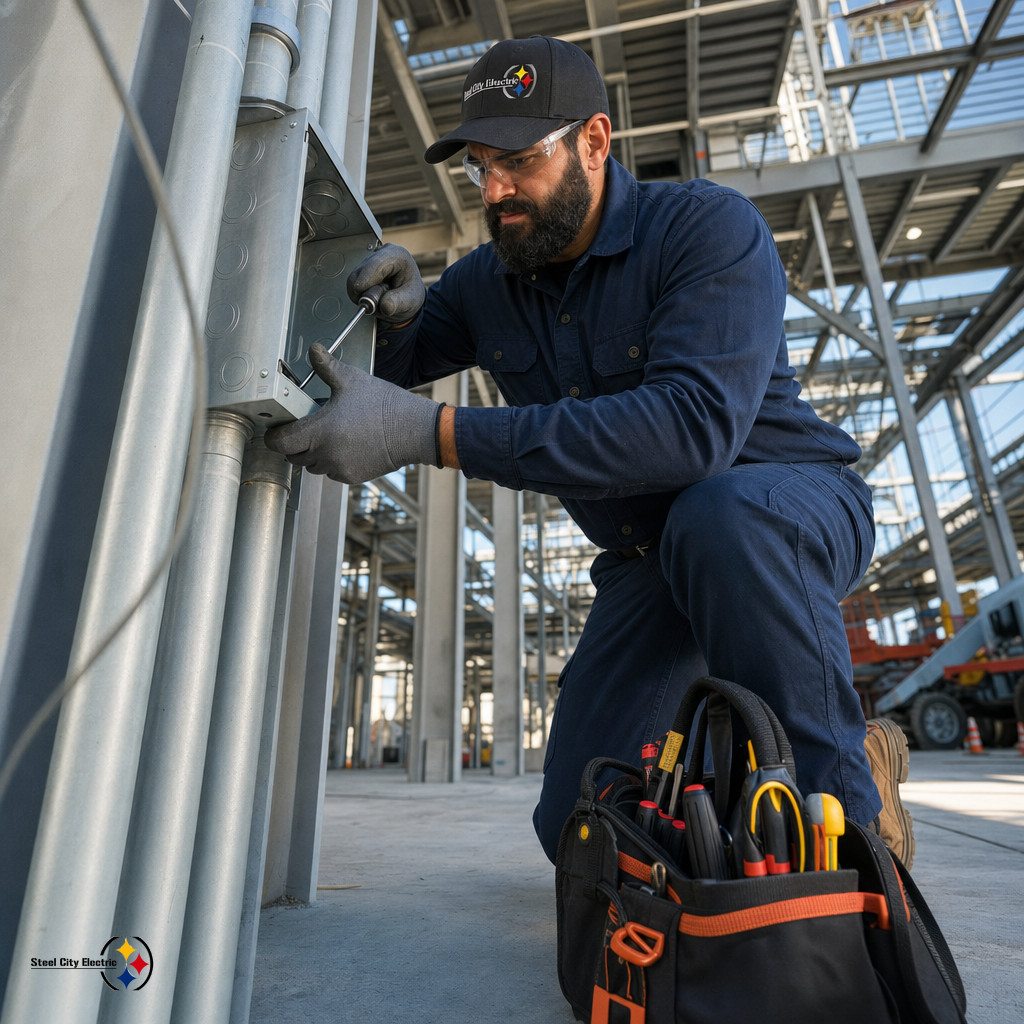
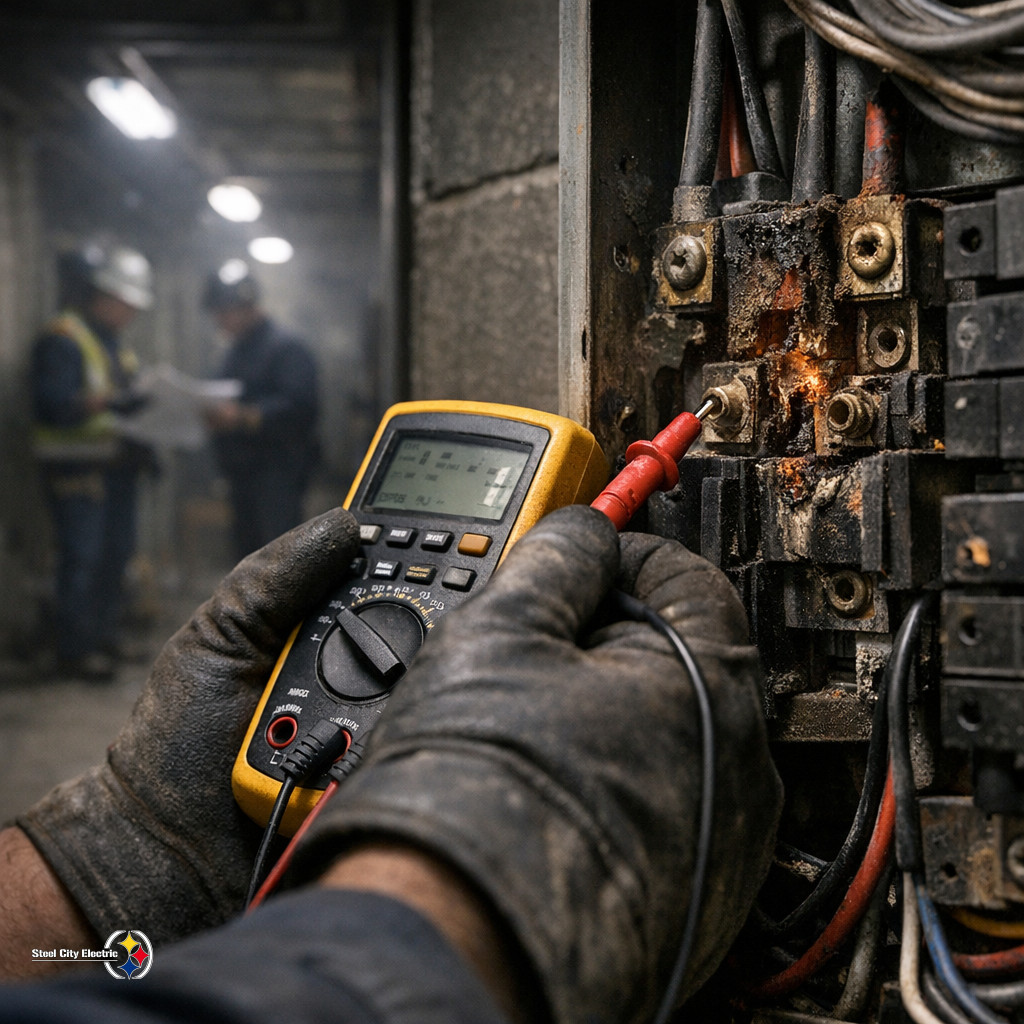
Underground utility work does not give you much to look at once the trench is closed. That is part of the problem. If a duct bank is off, a sweep is too tight, a pull box lands in a low spot, or grounding gets cleaned up “later,” that mistake is now under dirt, concrete, asphalt, or landscaping. On commercial jobs around Fort Myers, Florida, the ground stays hot and wet, rain comes hard, and schedules usually do not have much room for rework. Buried electrical has to be right before everyone moves on.
The failure usually does not announce itself politely. Maybe lights start acting strange. Maybe a cooler trips. Maybe a service issue shows up at the worst time, with tenants open and trucks trying to get through the back lot. Then the question becomes where the fault is hiding. Under the drive lane? Near the storefront? Below new landscaping nobody wants torn out? That is when a small missed NEC detail turns into a real operations problem.
A recent report from www.ecmweb.com titled Building on a Century of Code Expertise pointed back to something electricians already know in the field. Code is not just office paperwork. It decides whether an underground system can be pulled, serviced, expanded, and trusted later. That matters on commercial underground electrical utility installation, especially when the site may later add lighting loads, refrigeration, tenant gear, EV charging, cameras, signs, or another panel that was not part of the first conversation.
Steel City Electric has dealt with that kind of coordination on retail projects, including Foot Locker Sarasota, where commercial wiring infrastructure had to work inside an active tenant buildout schedule. Drawings help. They do not always show the utility conflict, the bad elevation, the existing pipe, or the spot where access will be blocked once the store opens.
Good underground work comes down to field decisions made before cover-up. Depth, conduit layout, corrosion protection, conductor sizing, utility coordination, warning tape, clearances, spare capacity, pull points, and terminations all need attention. If Fort Myers site conditions do not match the plan, the time to fix it is before the slab is poured and the parking lot is striped.
Commercial owners and general contractors do not need underground power becoming the emergency call that stops business. Steel City Electric provides field-ready commercial underground electrical utility installation with NEC awareness, jobsite coordination, and practical installation experience built for real commercial properties.
For commercial properties dealing with this kind of issue, Steel City Electric can help evaluate the right service path for the building.