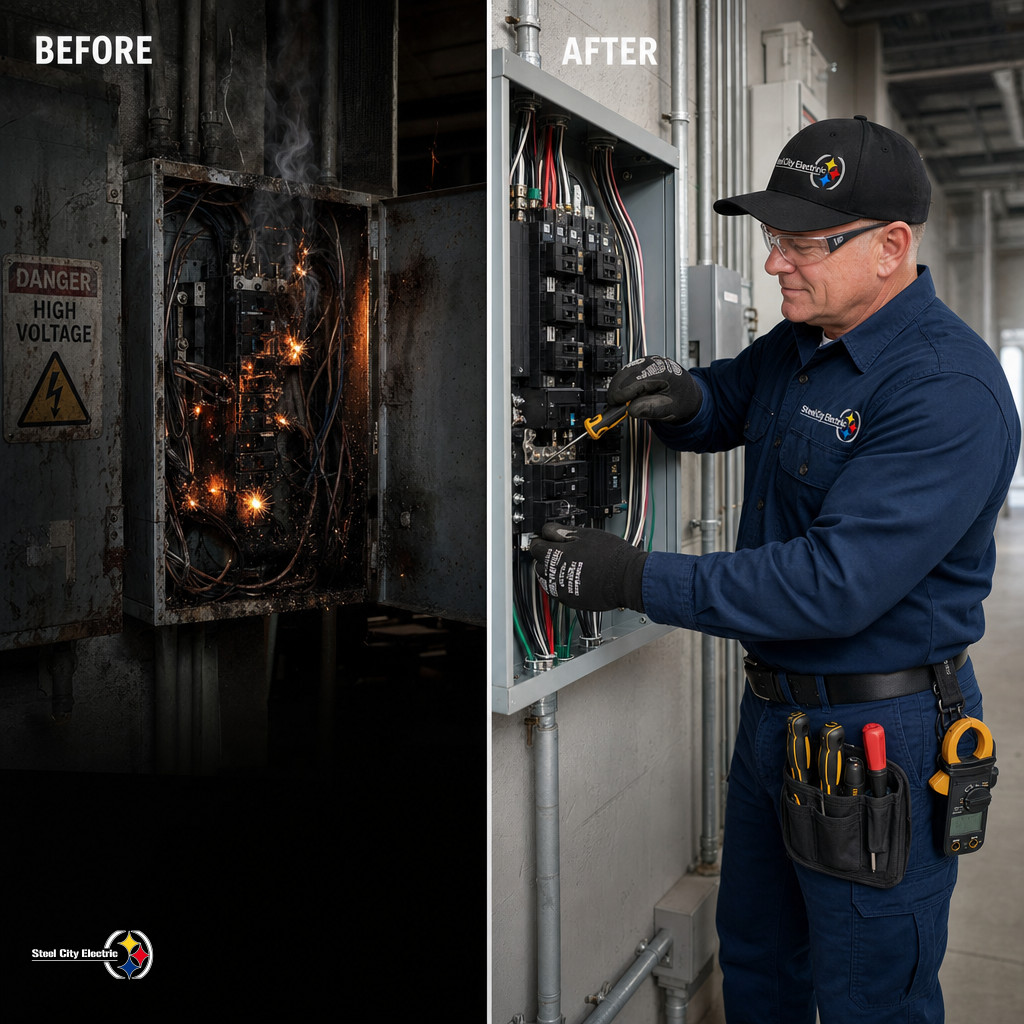
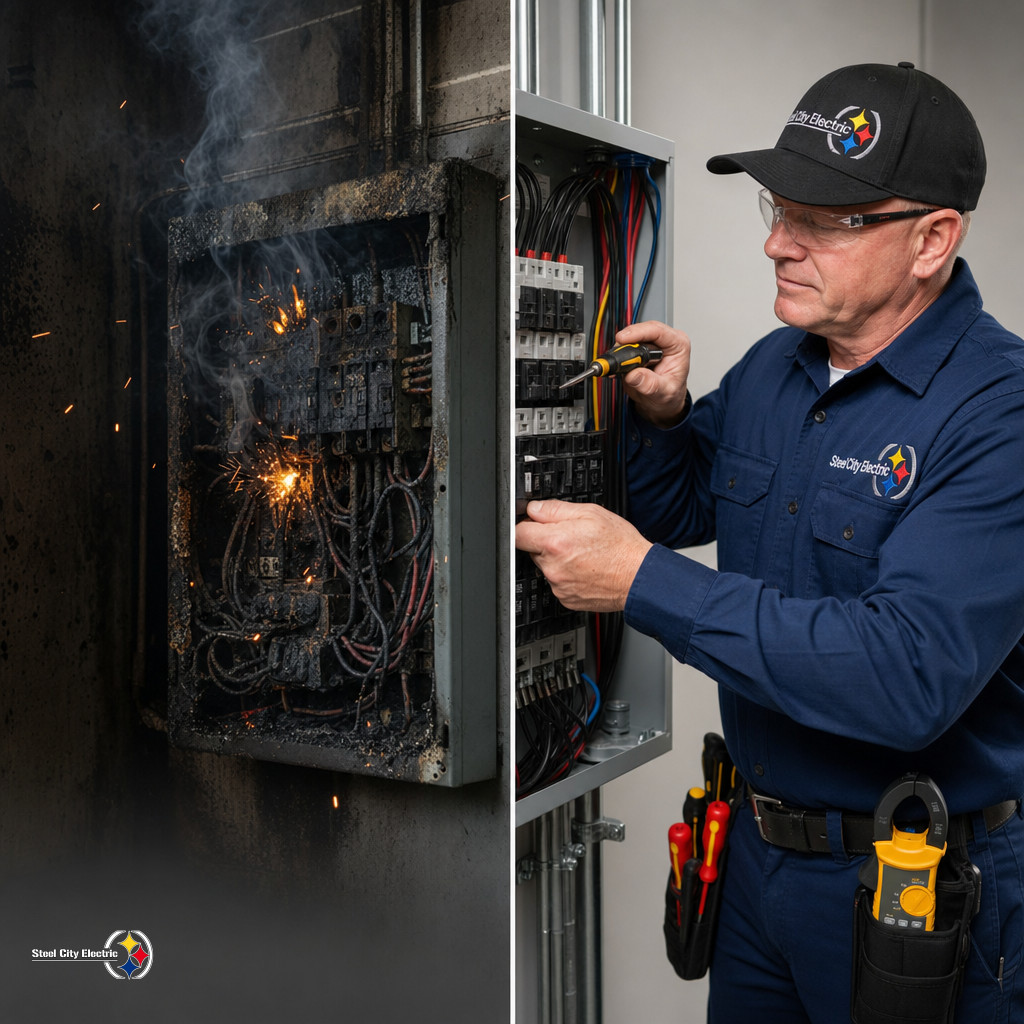
On commercial jobs around Anna Maria Island, underground electrical is not the place to guess. A trench looks fine when it is open. After it is covered, compacted, paved, landscaped, or blocked by other trades, one missed detail turns into phone calls nobody wants. Wrong depth. Bad sweep layout. No room to pull. Grounding not thought through. Utility requirements missed. It does not stay a code discussion for long. It becomes lost days.
A recent report from www.ecmweb.com titled Members Only Quiz: General Requirements of the NEC pointed at something electricians see in the field all the time. The basic NEC items are often the ones that get people. Not because they are complicated every time, but because crews are moving, site plans change, and underground work gets buried before everyone has looked at it closely enough.
With Commercial Underground Electrical Utility Installation, the rough-in has to be treated like the service depends on it, because it does. Burial depth, conduit size, bend count, warning tape, pull points, grounding path, service entrance location, transformer access, and utility coordination all need to be settled before backfill. Then the real site shows up. Existing pipe where nobody marked it. Soft soil. Grade changes. A tight corner behind a building. A pad location that looked better on paper than it does with equipment sitting there.
Steel City Electric has handled this kind of coordination on commercial projects before, including Foot Locker Sarasota, where tenant electrical work had to fit the pace and layout of an active retail buildout. Those jobs leave very little room for sloppy underground planning.
The same problem hits new commercial spaces on Anna Maria Island waiting for permanent power. If the underground route is off, everything behind it waits. Panels are ready. Storefront systems are ready. Crews may be scheduled. The tenant may already be planning opening dates. None of that matters if the inspector will not pass it or the utility will not energize it.
Steel City Electric handles commercial underground utility work with the field sequence in mind. Get the layout checked early. Coordinate with the utility before the trench is closed. Install it so nobody has to come back with a saw, shovel, and change order just to fix what should have been right the first time.
For commercial properties dealing with this kind of issue, Steel City Electric can help evaluate the right service path for the building.