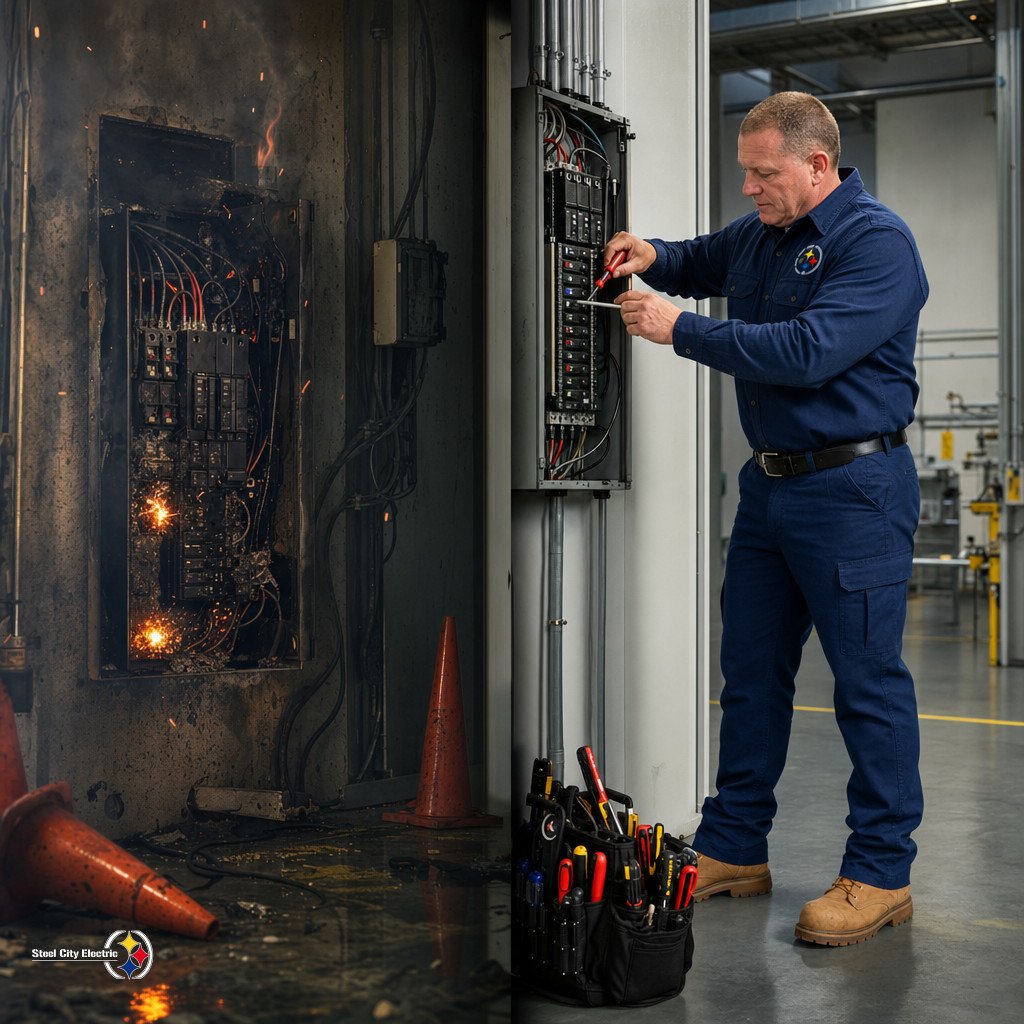
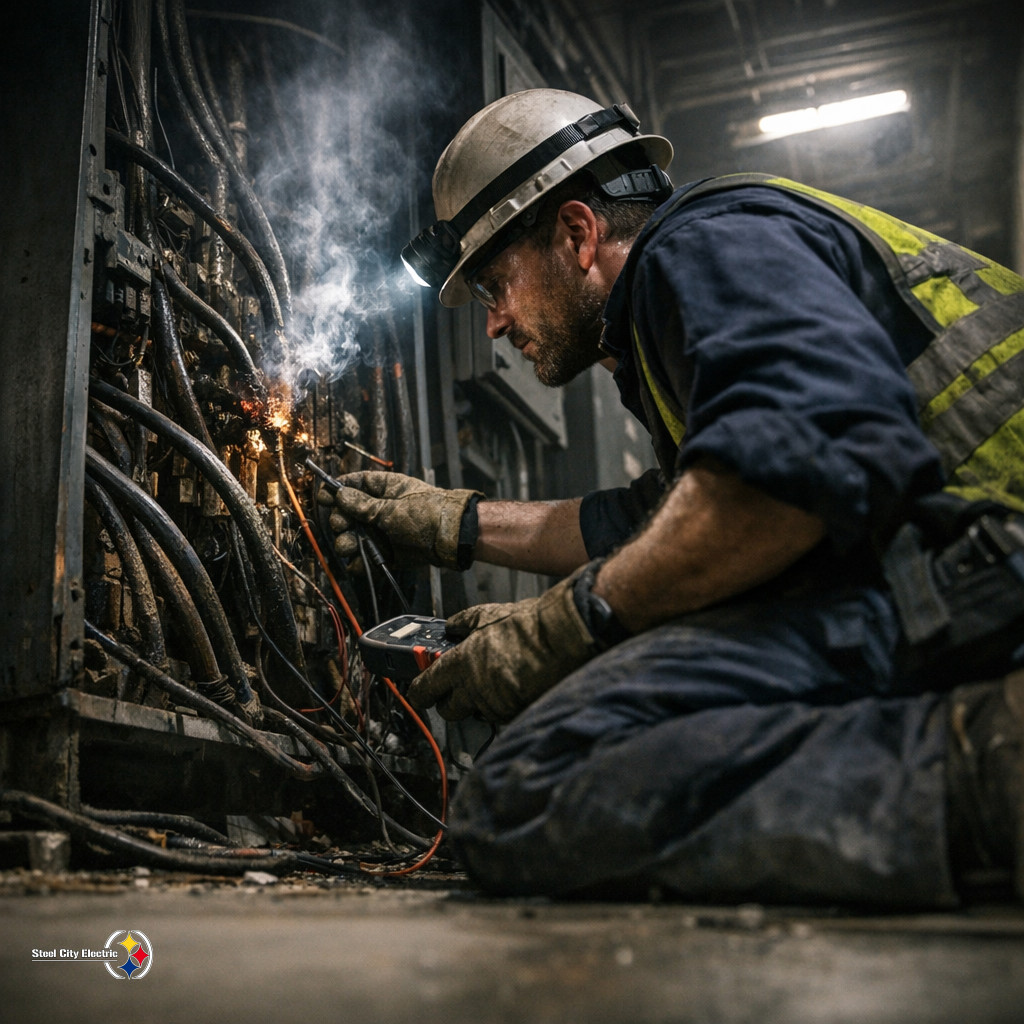
Buried electrical trouble usually stays quiet until the site starts asking for more power. Around Fort Myers, Florida, we see it on commercial properties all the time. A duct bank that was fine years ago is suddenly too tight for the next upgrade. A conduit gets crushed under a drive lane. A pull box takes on water every storm season. Nobody notices until breakers start nuisance tripping, lights blink, gear runs hot, or a tenant loses equipment in the middle of the day. Once it is under pavement or finished landscaping, there is no quick and clean fix.
The report from www.indexbox.io titled Aircraft Prime Moving Engine Electrical System Components Market Forecast Points Higher Toward 2035, Driven by More-Electric Engine Architectures points at the same problem from another direction. More equipment is leaning harder on electrical systems. That may be aircraft technology in the report, but the lesson fits commercial buildings too. When the load keeps growing and the underground path was never planned for it, the underground work becomes the weak spot.
That is where commercial underground electrical utility installation has to be treated like real infrastructure work, not just trenching. Retail centers, warehouses, medical offices, restaurants, aviation support buildings, they all have different headaches. Utility handoff has to be right. Conduit runs need room to pull. Separations matter. Grounding matters. Drainage around boxes matters. Future access matters too, because nobody wants to cut up a finished parking lot six months after grand opening.
Steel City Electric has dealt with that kind of coordination on jobs like Foot Locker Sarasota, where the storefront electrical work had to match the buildout schedule and stay clean. Small mistakes in routing can turn into real delays once walls, ceilings, and tenant finishes start closing in.
Above ground, a property can look ready. Panels labeled. Tenants open. Parking striped. Signs lit. Underneath, there may be old conduit full of water, too many bends, conductors that were pulled too hard, or no real spare capacity left. That gets missed until somebody adds kitchen equipment, site lighting, HVAC load, EV-related power, or a larger service. By then, everyone is in a hurry, and underground electrical work does not reward rushing.
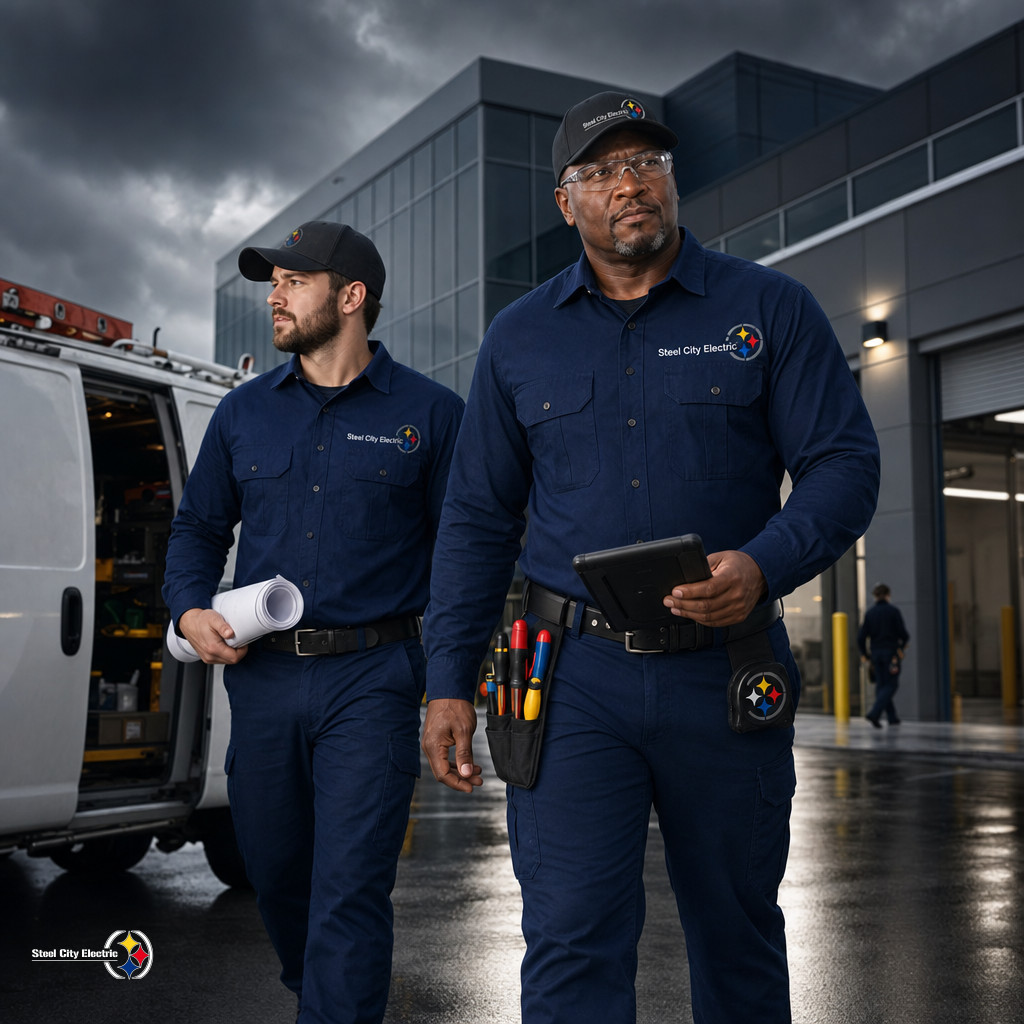
Steel City Electric handles Commercial Underground Electrical Utility Installation with field planning up front, coordination with inspectors and utilities, and a layout that gives the property owner fewer surprises later. If the site is showing signs of buried electrical trouble, or it is about to take on heavier demand, it is better to open that conversation before the outage makes the schedule for you.
For commercial properties dealing with this kind of issue, Steel City Electric can help evaluate the right service path for the building.