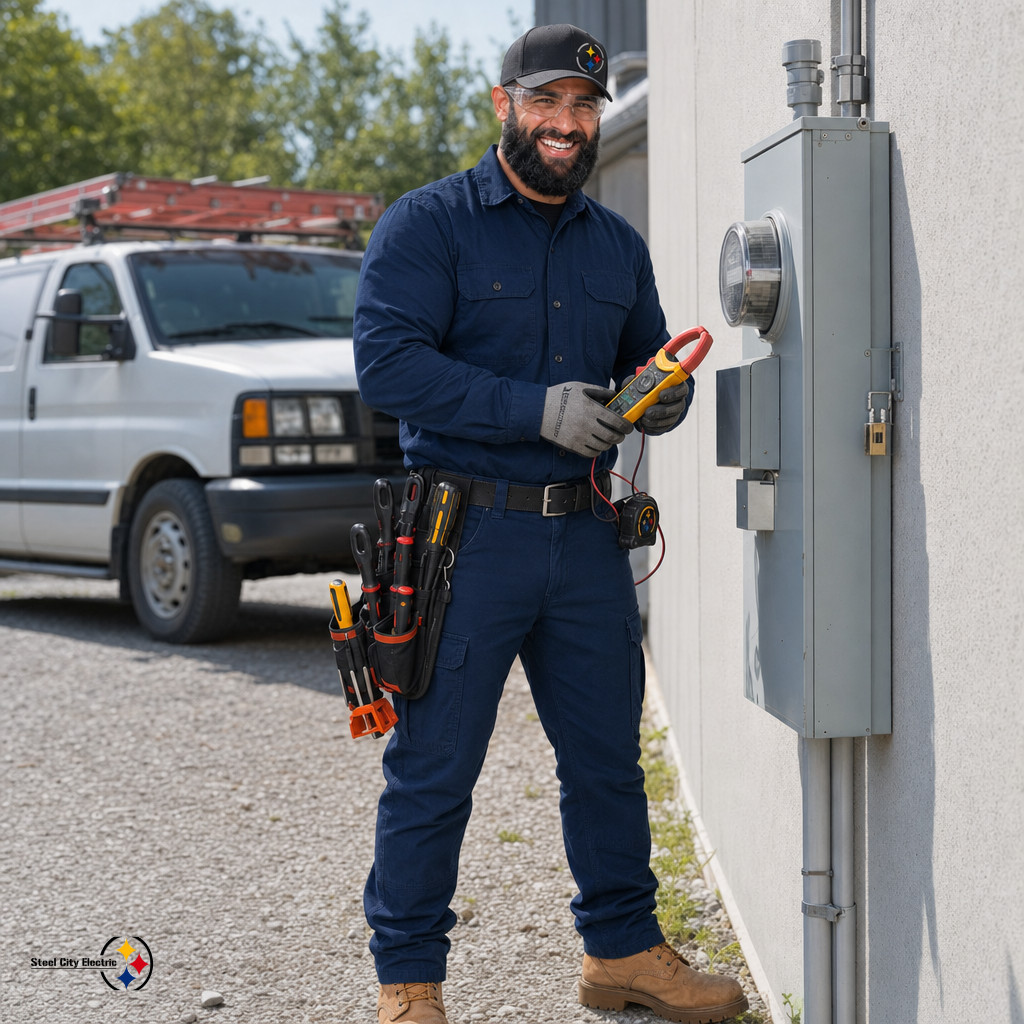
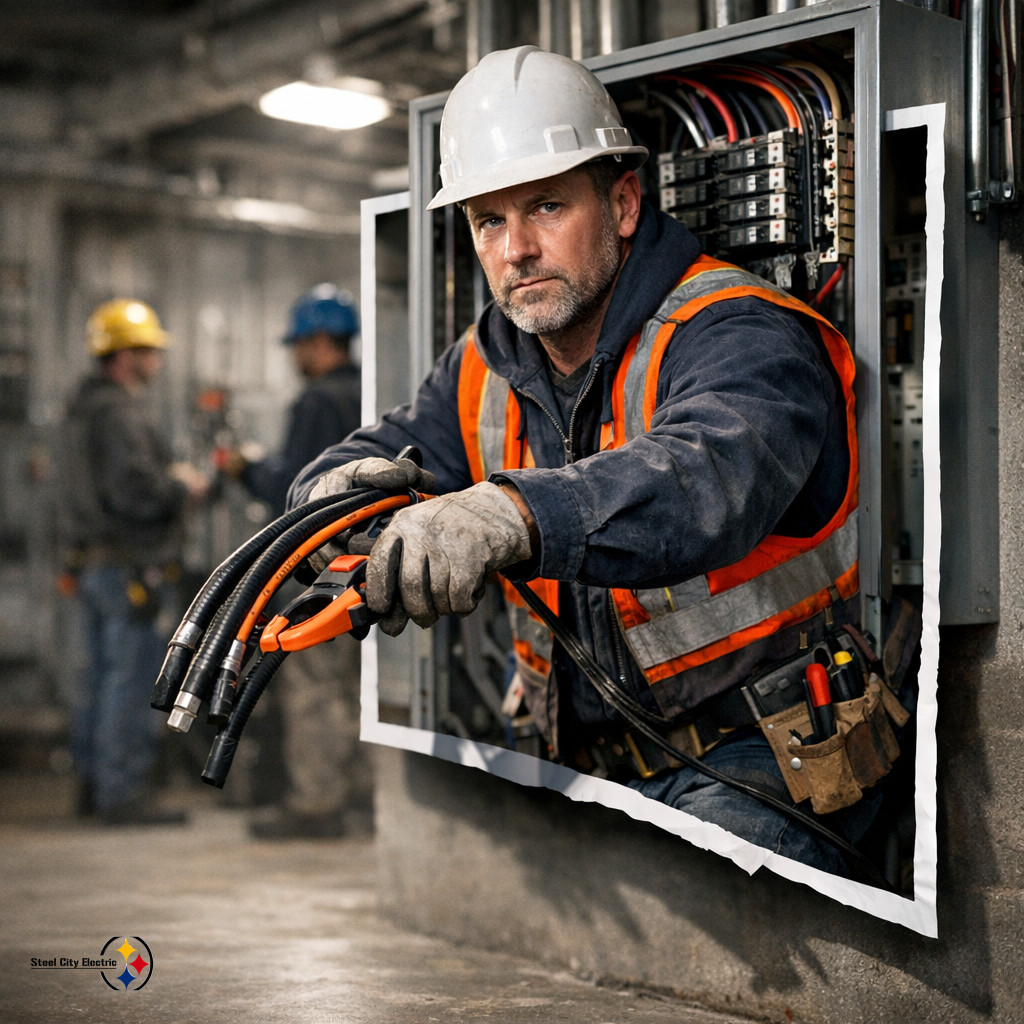
Commercial panels usually do not get into trouble from one obvious miss. It is more often a pileup. One cooler gets added. A few new POS stations show up. Lighting gets swapped. Then the HVAC contractor needs more power than anyone had on the first set of notes. Around Apollo Beach, Florida, older service gear can run out of comfortable room pretty quick.
A recent trade update from dailyreporter.com titled NEC clarifies 83% rule for single-family dwelling conductors was aimed at dwelling conductors, so it is not exactly coffee-truck talk for a commercial crew. Still, the point lands. Wire size, insulation rating, conductor type, termination temperature, and the real load all have to match. Guessing from an old panel schedule is how jobs get ugly.
That same problem shows up during commercial electrical panel installation and upgrades. A panel can have blank spaces and still be the wrong answer. The feeder may be light. The can may be hot. Breakers may not be listed for what someone wants to install. Continuous loads can change the whole decision. Before new equipment gets landed, somebody has to open it up and verify what is actually there.
Steel City Electric has dealt with that side of retail buildout work on Foot Locker Sarasota, where the storefront wiring had to support the tenant layout without jamming the existing electrical setup into a corner.
On commercial sites, nuisance tripping is only the first warning sign. After that comes lost sales, failed inspections, damaged gear, and late-night calls because the shutdown window was too short. Small electrical rooms do not help. Neither do occupied spaces, backordered equipment, or other trades needing the same wall. A good panel upgrade has to leave room to work, land conductors correctly, label the loads, and give the business enough capacity for the way it will actually operate.
Property owners and managers in Apollo Beach planning a tenant change, equipment addition, or remodel should get the panel checked before the new load is sitting on the floor waiting for power. Steel City Electric handles commercial panel upgrades and installations with jobsite-level checks that keep surprises down and help the power come on when it is supposed to.