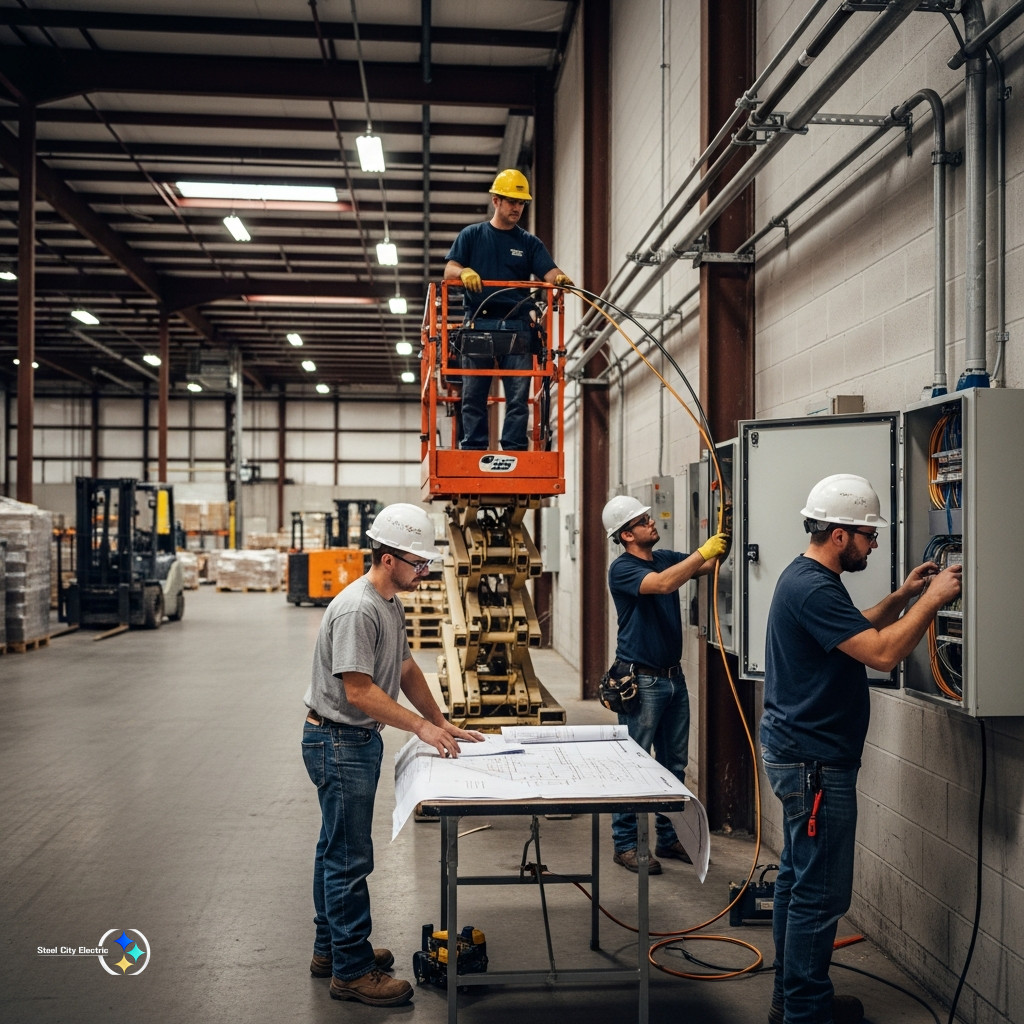
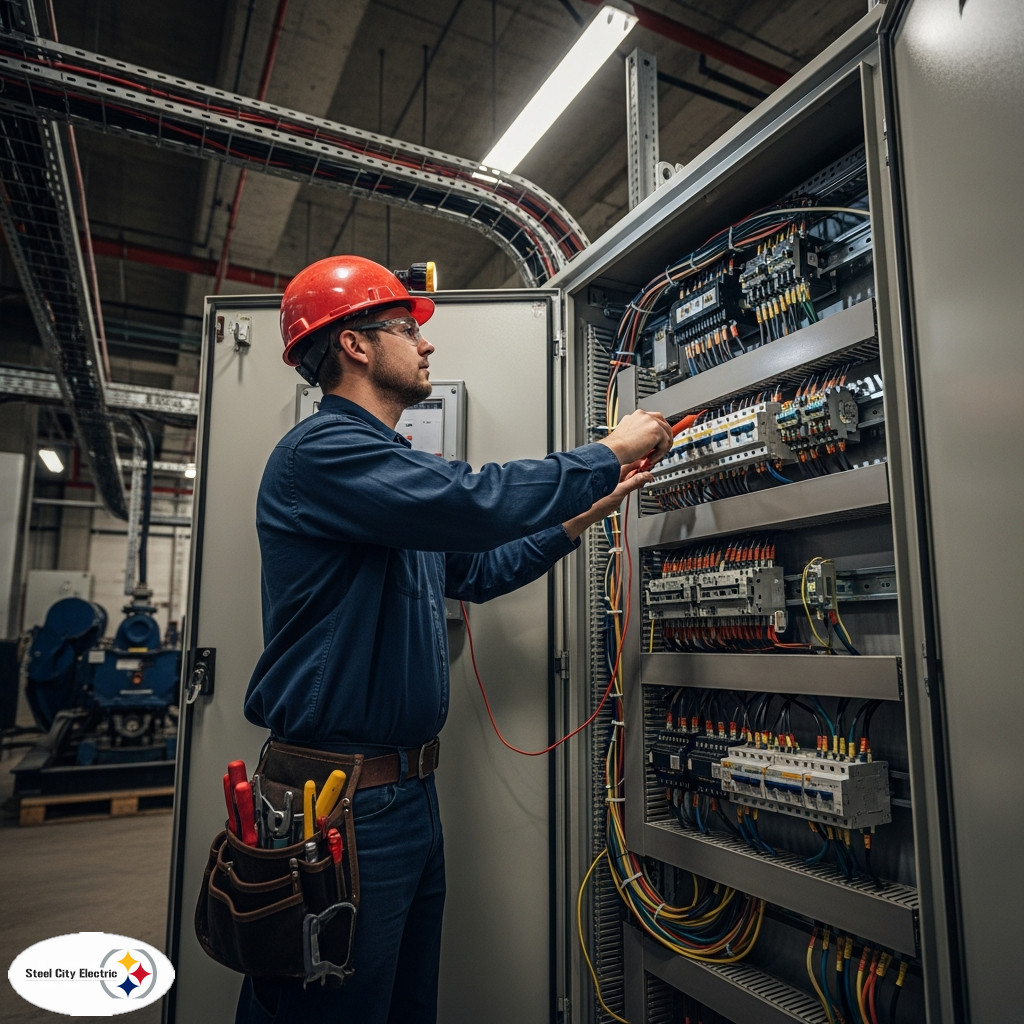
You see it all the time in commercial spaces. Nobody changed the service on purpose. They just added things. A few more pieces of kitchen equipment. Bigger HVAC. More treadmills. Extra coolers. New tenant layout. Then the old panel is sitting there packed tight, asked to feed a building that no longer matches the original setup. It may not blow up or make a big scene. Usually it starts smaller. Breakers trip when the place is busy. Covers feel warm. Circuits get poorly marked because too much has been changed over the years. Someone needs one more breaker and there is nowhere clean to put it. At that point, commercial electrical panel installation and upgrades are not really optional anymore. They are part of keeping the doors open.
Recent industry reporting from N/A titled “” lines up with what crews keep running into on jobs: commercial loads are getting heavier and tighter. Older panels were not always built for the equipment being installed now. The panel is where the trouble usually shows first, but the work is not only swapping a box. You have to look at working clearance, grounding, labeling, feeder size, available fault current, utility coordination, shutdown windows, and how the business is supposed to operate while the work happens. Bad planning on a panel change can cost more time than the actual electrical problem.
Steel City Electric has dealt with this type of load growth on LA Fitness Tampa, where commercial power improvements were part of a fitness facility renovation. Fitness spaces are a good example. Equipment gets added fast, and every new circuit still has to come from somewhere. Guessing at capacity is how problems get built into the job before the tenant even opens.
The pain for a business is not just one tripped breaker. It can be refrigeration going down, point-of-sale equipment losing power, offices sitting idle, lighting out in a sales area, failed inspections, or vendors waiting around because the electrical room was not ready. A real panel upgrade may include new feeders, service coordination, load calculations, after-hours cutover work, and practical commercial panel upgrade planning that fits the site instead of forcing the site to fit the drawing.
If the panel is full, hot, outdated, or too small for the next round of equipment, waiting usually makes the fix messier. Steel City Electric checks the existing gear, looks at actual demand, and plans around field conditions. For owners, property managers, and tenants getting ready for expansion or new equipment, a panel evaluation now can prevent a hard shutdown later.