NMSU energy resiliency push shows why commercial EV charger installation now comes down to load planning and uptime
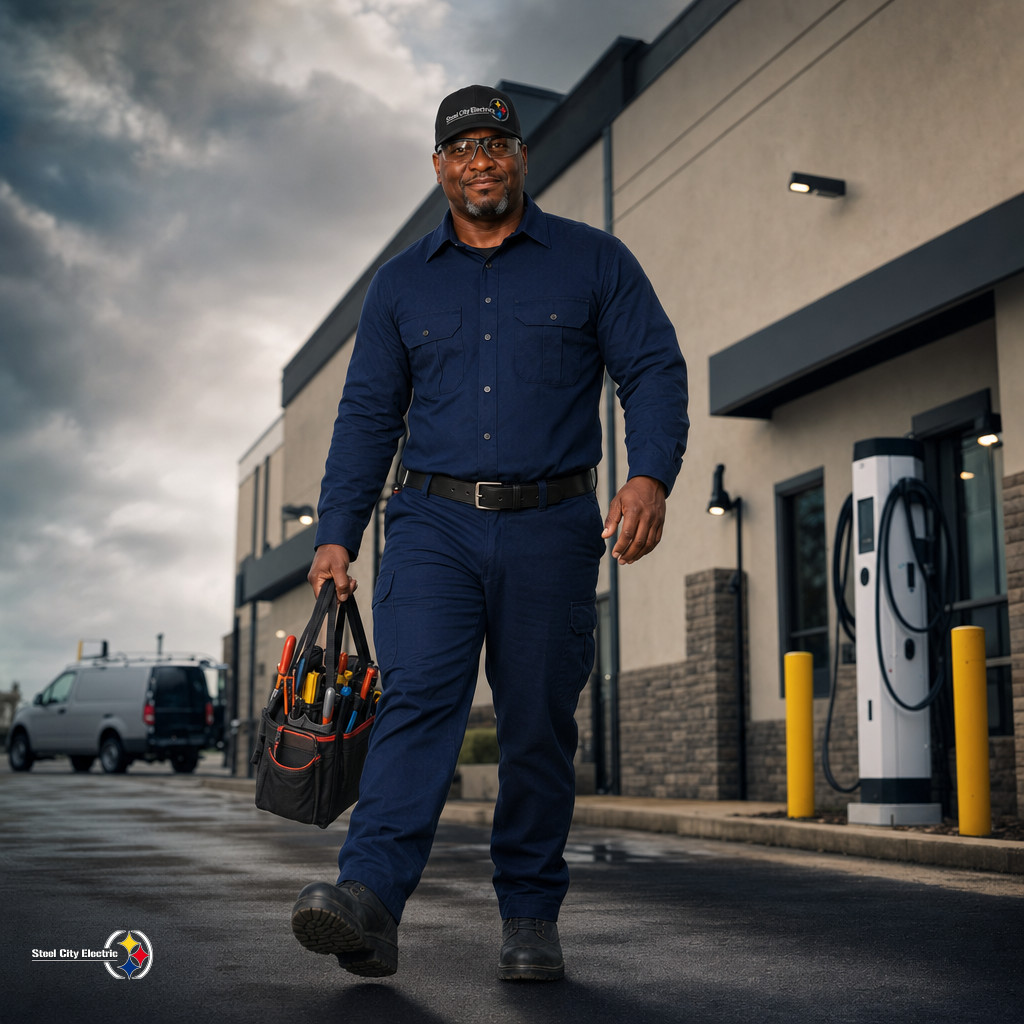
EV chargers do not look like much after they are bolted down, wrapped, labeled, and turned over to the owner. The trouble is usually somewhere else. In the service gear. In a panel that is already crowded. In a conduit run nobody wanted to open up. On commercial sites in Fort Myers, Florida, the work is not just landing a few chargers and calling it finished. Somebody has to look at the actual load, when vehicles will plug in, where disconnects can be reached, what the trenching path looks like, and what happens when the building is already pulling hard on a hot afternoon.
A recent report from newsroom.nmsu.edu titled $31.2 million state investment in NMSU to improve state’s energy resiliency points to how much attention is now going into energy planning and infrastructure. That may sound like big-picture research, but it shows up in normal commercial electrical work too. Add chargers to an office, hotel, condo property, retail center, or city facility and the load is real. Sometimes the existing service can take it. Sometimes it was never built for that kind of demand, and the weak spots get exposed pretty quickly.
That is why commercial EV charger installation has to start in the electrical room, not at the parking space. Steel City Electric checks breaker capacity, feeder condition, grounding, voltage drop, utility requirements, bollard locations, ADA access, conduit routes, and room for later expansion. A charger can look great and still be a problem if it trips when two cars plug in. Same thing if the layout blocks the next phase because no one planned past the first install.
Steel City Electric has dealt with rough site conditions before, including work at Suntide Island Beach Club in Sarasota, where crews handled damaged life safety systems after severe property conditions. Paper drawings help, but the field usually tells the real story once covers come off and routes get checked.
On a commercial property, uptime is what people notice. Failed chargers turn into tenant calls, guest complaints, missed fleet schedules, and maintenance tickets that keep coming back. Better planning keeps that from becoming normal. The install should be handled like broader commercial electrical work: verify the load, protect the equipment, give technicians access, and leave the property with a setup that can grow without tearing everything apart later.
Fort Myers owners and facility managers looking at EV charging should have the site reviewed before equipment gets ordered. Steel City Electric can check existing service capacity, placement, site conditions, routing, and installation needs so the chargers work when they are actually in use, not just on inspection day.