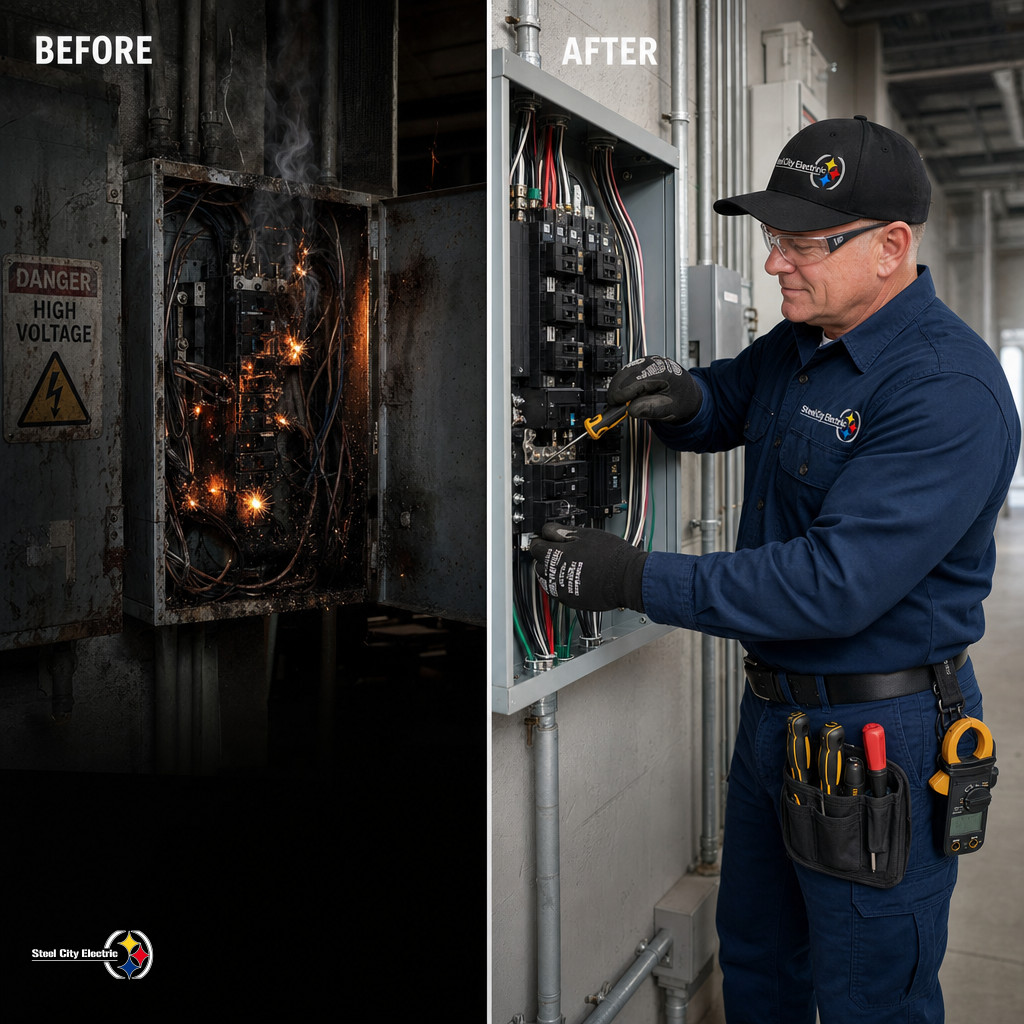
Power trouble on a commercial job usually starts small. Nobody calls it a problem yet. A cooler gets added in the back. The tenant brings in another piece of kitchen equipment. A medical office asks about backup power after the lease is already moving. Then the heat settles in, storms push through Anna Maria Island, and the service that looked fine on paper starts acting like it is already maxed out.
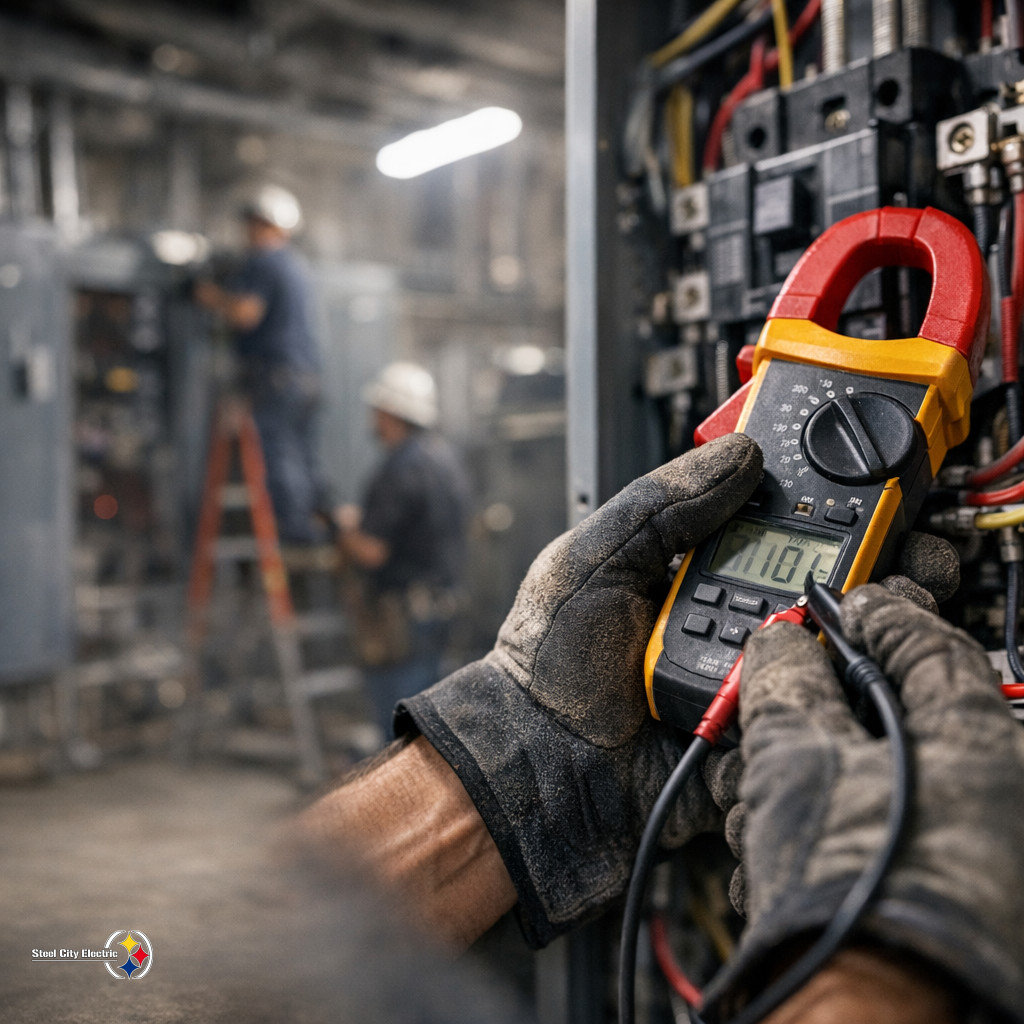
That is where Commercial New Electrical Service Installation has to be handled like real construction work, not just plan review. The load calc matters. So does the utility schedule, the meter location, service gear, panel space, grounding, conduit path, tenant equipment, and what the owner may add six months later. Old drawings help, but they do not tell the whole story. Sometimes they barely tell the current story.
A recent report from www.azocleantech.com titled Designing Power Systems Using Outdated Weather Data Invites Future Blackouts made the larger point that old weather assumptions are not holding up the way they used to. Utilities and engineers are having to plan around hotter demand periods and harder storm conditions. On a commercial property, the same mistake shows up in a smaller but expensive way. The service gets sized for yesterday’s use, mild weather, or an equipment list that changed after permits were pulled.
Coastal buildings are not gentle on electrical systems. Salt air works on gear. Humidity finds weak spots. Air conditioning runs hard. After a storm, everyone wants to be back open at the same time. If the new service is cut too close, the owner pays for it later. Breakers trip for no obvious reason. Gear runs hot. A buildout gets limited. Inspection corrections pile up. Worst case, the business loses power when it is busiest.
Steel City Electric has run into this kind of pressure on retail buildouts, including Foot Locker Sarasota, where interior electrical work had to line up with the needs of an active tenant space. Jobs like that do not leave much room for wishful load numbers or missing coordination with the utility.
For owners, builders, and property managers working in Anna Maria Island, Florida, the service install is the time to catch the weak points. Steel City Electric reviews actual building use, utility requirements, service equipment, grounding, code issues, access, and future capacity before everything is closed up or blocked by finished work. If a property is being built out, expanded, or repowered, start with the new commercial electrical service. It is a lot easier to fix capacity on the front end than after tenants are open and the lights start dropping out.