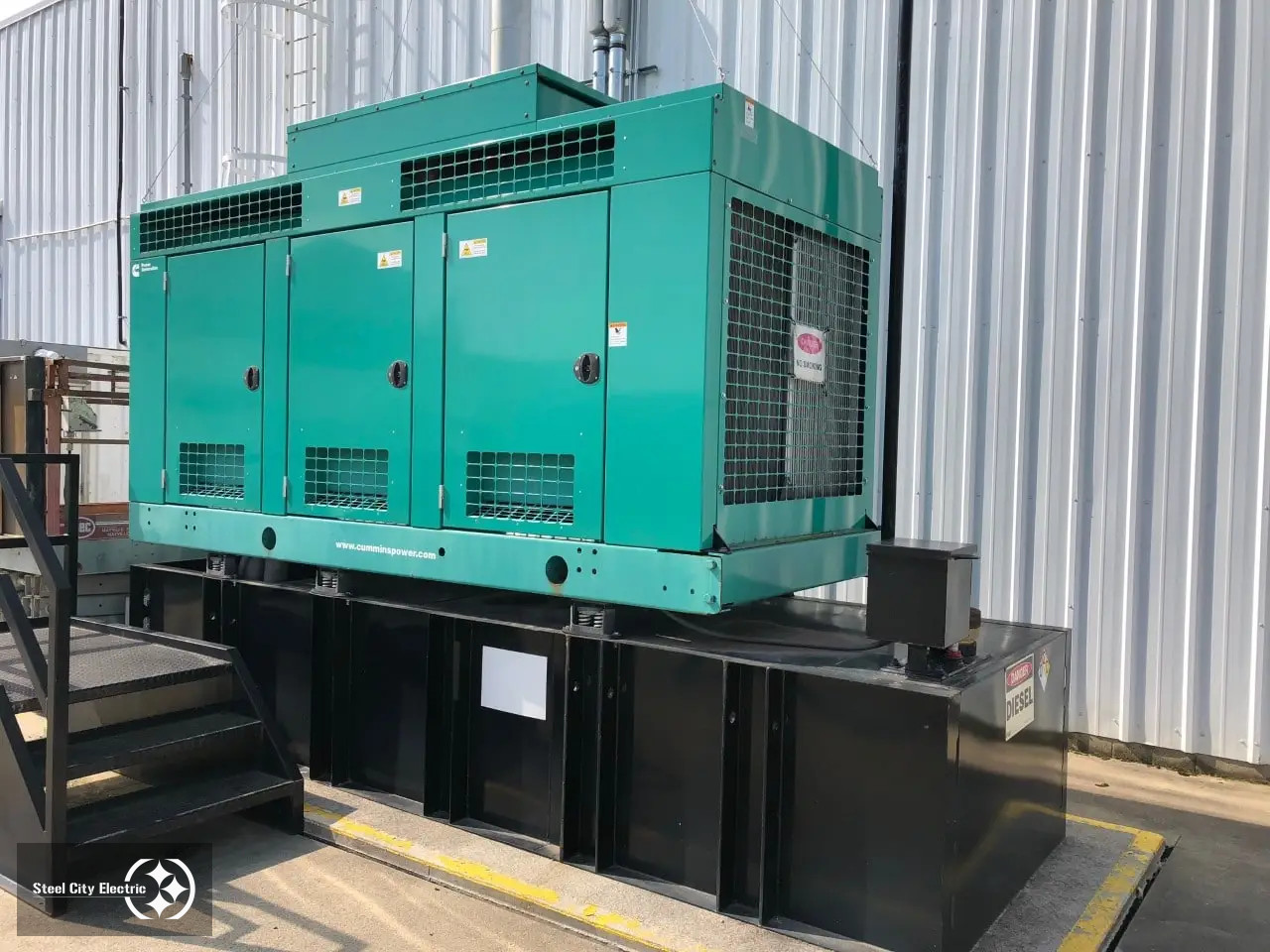
Outside generator work can look easy from the parking lot. Set the unit, land the pipe, make the transfer, test it. That is not how it usually goes. The problems are often already buried or rusting before the generator ever gets ordered. Old PVC full of water. Handholes that have settled. Boxes mounted where landscape crews spray them every morning. Feeders that were added years ago with no clean path back to the main gear.
That stuff matters on a commercial generator installation. The generator has to connect to the building that is actually there, not the neat version shown on an old plan set. Outdoor electrical has to hold up against rain, heat, salt air, irrigation overspray, delivery trucks, and blocked working space. When the exterior path is questionable, the generator tie-in gets slower. Inspectors look harder too, as they should.
A wiring code article from www.thespruce.com titled NEC Requirements for Outdoor Wiring pointed to common outdoor wiring concerns like weather-rated equipment, burial depth, GFCI protection, and raceway condition. The examples may be residential, but the same failures show up on commercial properties. Water in conduit is water in conduit. Bad routing is bad routing. A larger service does not make it cleaner.
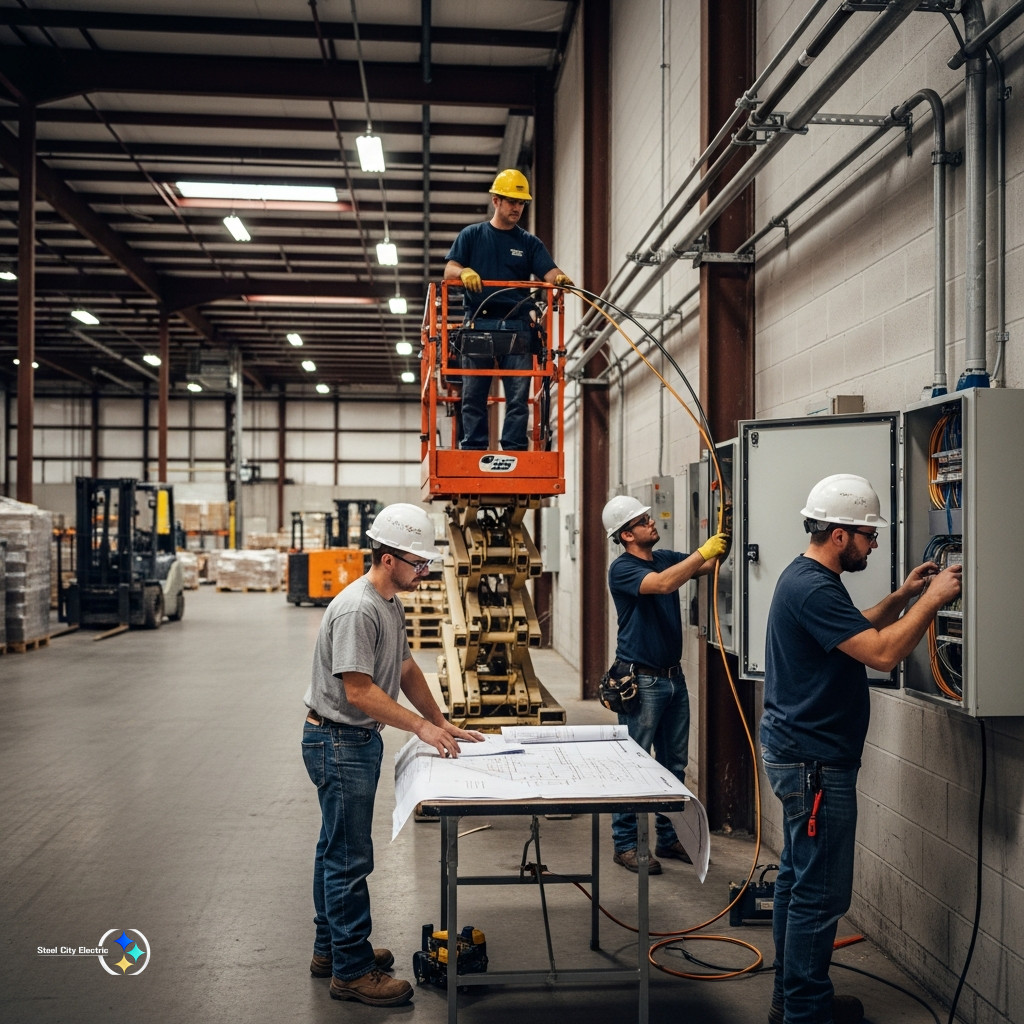
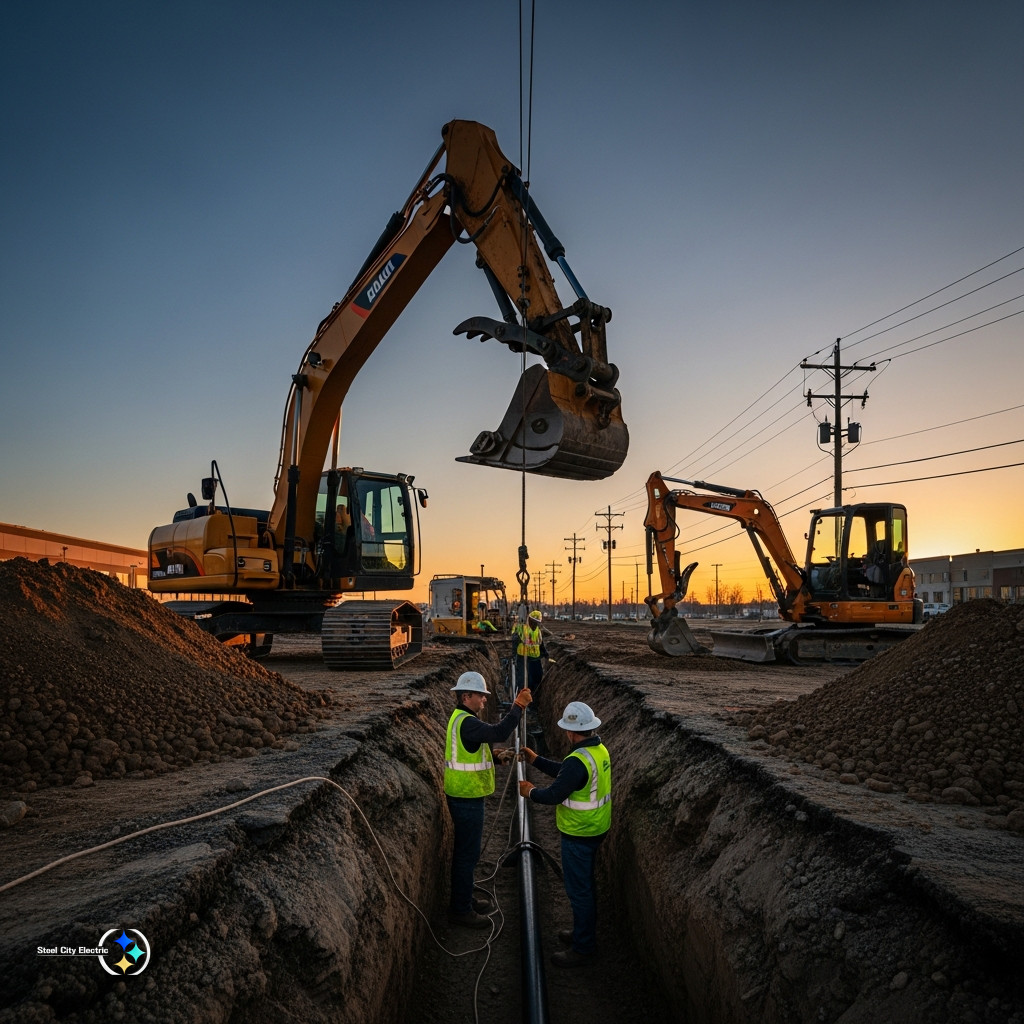
Once a generator job starts, small misses can turn into schedule problems fast. The transfer switch may not have safe clearance. The underground route may be crushed or packed with old conductors. A disconnect may be corroded, mislabeled, or mounted where nobody can work it safely. Then the job is no longer just generator work. It becomes locating, trenching, repair, utility coordination, and sometimes redesigning the backup power layout while everyone is asking when the power will be protected.
Steel City Electric has dealt with that kind of site condition before, including underground restoration work at Stoneybrooke Condominiums II in Sarasota, where damaged feeder infrastructure had to be corrected under outage conditions.
Facilities planning backup generator installation should have the outdoor electrical path checked early. Before the pad is poured. Before the generator is sitting onsite. A field walk can catch bad conduits, weak feeder routes, grounding issues, clearance conflicts, weather exposure, and gear that will not pass cleanly once the install is underway.
Steel City Electric performs commercial standby generator installation with the outside wiring, transfer equipment, and real site conditions reviewed up front. If backup power matters to the building, the exterior electrical path needs attention before the next outage exposes it.