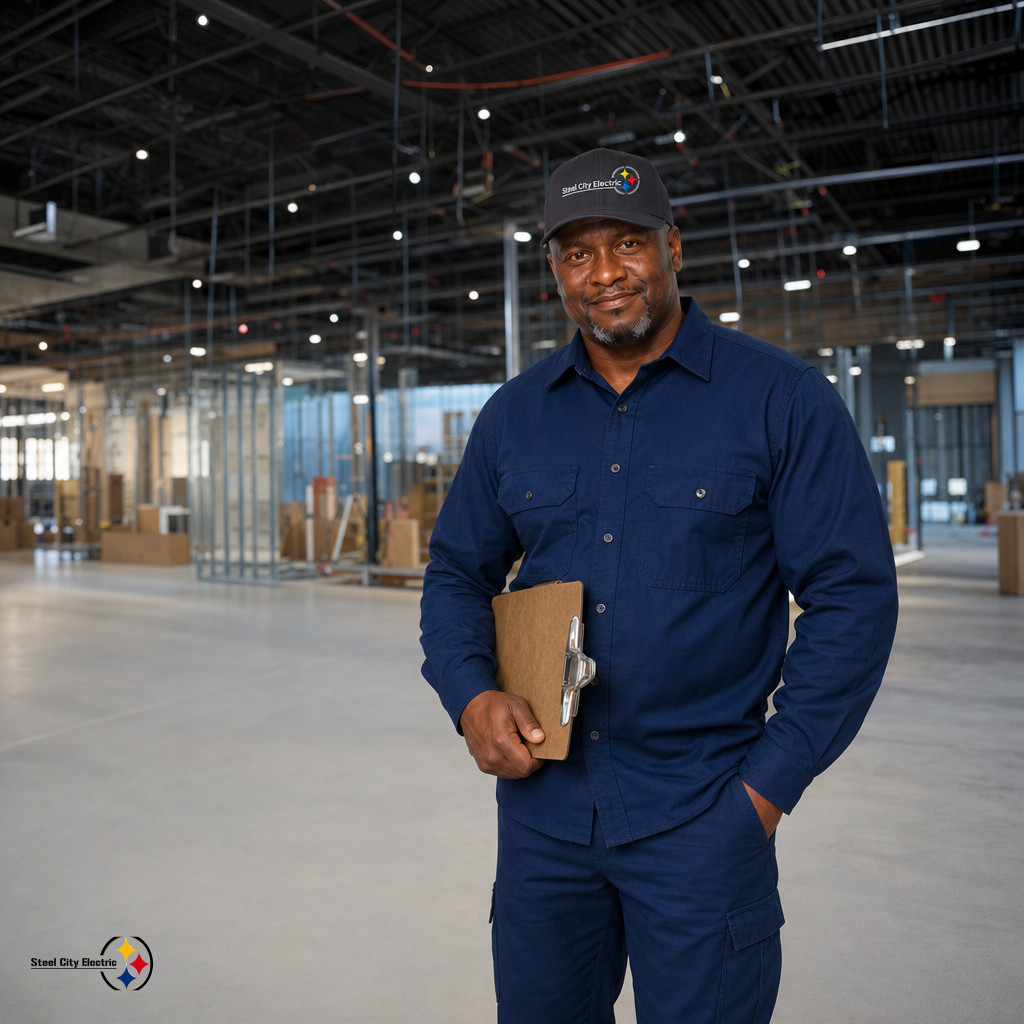
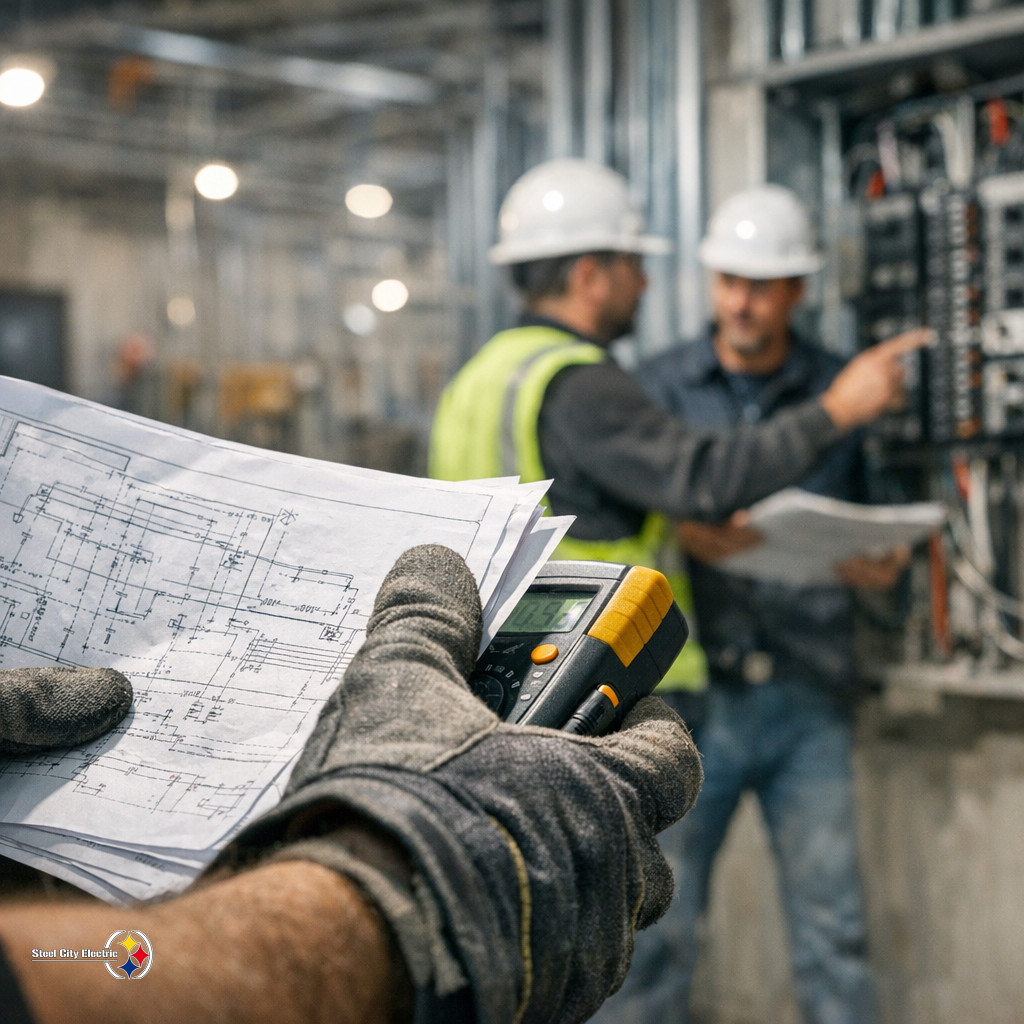
Commercial jobs do not give the electrical scope much room to drift. The slab crew is moving, the utility has its own timeline, gear submittals are sitting in review, and everybody wants openings left in the right place the first time. On projects around Fort Myers, Florida, Steel City Electric sees small electrical questions turn into real delays. A panel detail missed early can hold rough-in. A service change can stall approvals. That is why commercial new construction electrical work needs to be checked against what is actually happening in the field, not just what looks fine on the plan set.
A recent report from www.ecmweb.com titled Several New TIAs Proposed for the 2026 NEC notes that TIA 1903, 1912, and 1915 have July comment closing dates. That may sound like paperwork until a project is halfway through permitting or waiting on equipment. Interim NEC changes can affect how an inspector reads a detail, what an engineer has to clarify, or whether a contractor can stand behind a feeder, disconnect, grounding, or fire alarm layout. Those are not big-looking items on bid day. They get expensive once pipe is in the slab or walls are framed.
Steel City Electric pays attention to those problems because they show up on active jobs, not in meetings alone. Owners, GCs, engineers, utilities, and the AHJ all need to be pulled together early enough for the answers to matter. Otherwise crews end up waiting on revised drawings, switchgear direction, ceiling access, or a life-safety call that should have been settled weeks earlier. Steel City Electric has dealt with that kind of site pressure before, including work at Suntide Island Beach Club in Sarasota, where fire alarm restoration had to be handled under real building conditions.
For Fort Myers commercial new construction, the safer move is simple. Bring the electrical contractor in before procurement and sequencing are locked. Steel City Electric can walk the scope, point out gaps, question details that may not pass cleanly in the field, and help keep the job moving from underground to rough-in, trim, inspection, and energization. If the project is still in design or early bid, talk with the Commercial New Construction team before a small code issue becomes a schedule problem.