Commercial jobs do not usually fall behind all at once. It starts smaller. A rooftop unit changes. The tenant adds equipment. The lighting package gets revised after walls are already laid out. Somebody needs more receptacles in a room that was supposed to stay simple. By the time the electrical crew gets a clean look at the latest drawings, the service gear, feeders, panels, or conduit paths may not match the building anymore. That is when Commercial & Industrial Electrical Installation becomes one of the first things driving the schedule instead of something that just follows behind framing and HVAC.
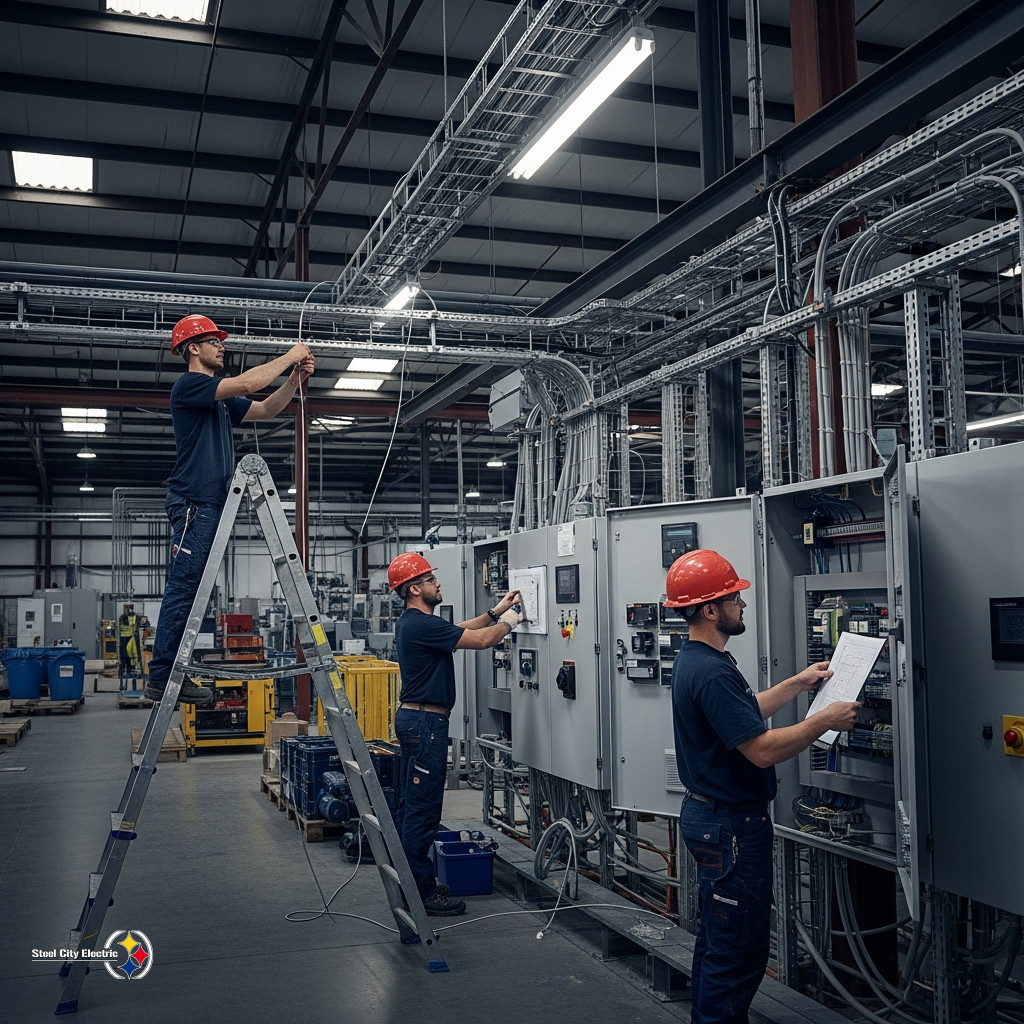
This is showing up on real sites. Warehouses are adding heavier shop equipment. Fitness centers need more power for mechanical systems and specialty areas. Medical and retail spaces are coming in with tighter deadlines and more load than older buildings were set up to carry. Switchgear is not always sitting on a shelf. Panels get backordered. Shutdowns have to be planned around business hours. Inspections need room in the schedule. None of that is hard to understand in the field, but it gets expensive when it is caught late.
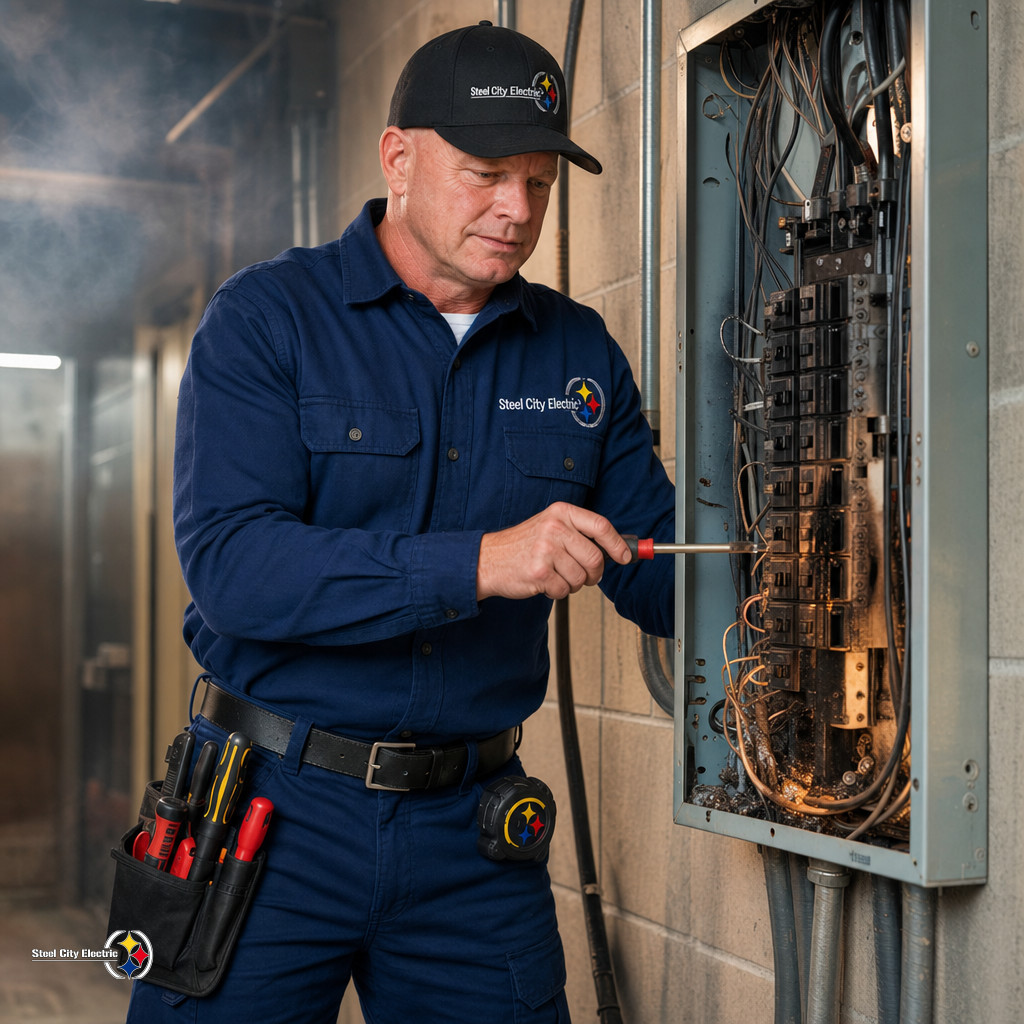
Sometimes the problem is not the install crew or the wire pull. It is the electrical room. No spare wall space. No clean route out. Existing panels already full. A duct run sitting right where the conduit was supposed to go. Then everyone is standing in the same hallway trying to solve something that should have been caught before material was ordered.
Steel City Electric has dealt with this kind of load planning on active commercial work, including LA Fitness Tampa, where crews handled power upgrades tied to a fitness facility renovation. Projects like that need straight coordination between the owner, GC, mechanical contractor, utility, and electrical team. Guessing at capacity or waiting until rough-in is how a job gets boxed in.
Owners and general contractors usually get better results when the electrical contractor is brought in before the equipment list is final. Capacity, service entrance work, grounding, distribution, lighting controls, panel locations, ceiling space, and shutdown windows all need to be checked against the actual building. If a facility is expanding, renovating, or adding larger loads, Steel City Electric can review the commercial electrical installation scope before the schedule gets squeezed and the simple fixes are gone.