September’s outdoor HVAC GFCI rule is set to expose commercial and industrial electrical installation gaps hiding behind the equipment
Outdoor HVAC equipment can fool you from the ground. Looks like a disconnect, a short whip, a pad unit, maybe a rooftop package nobody has opened in a while. Once the cover comes off, it is usually not that neat. Old feeders get reused. Conduit gets bent around newer work. Labels fade. Panels run out of space. A unit may cool fine for years while grounding, bonding, or wiring problems sit there waiting for the next change.
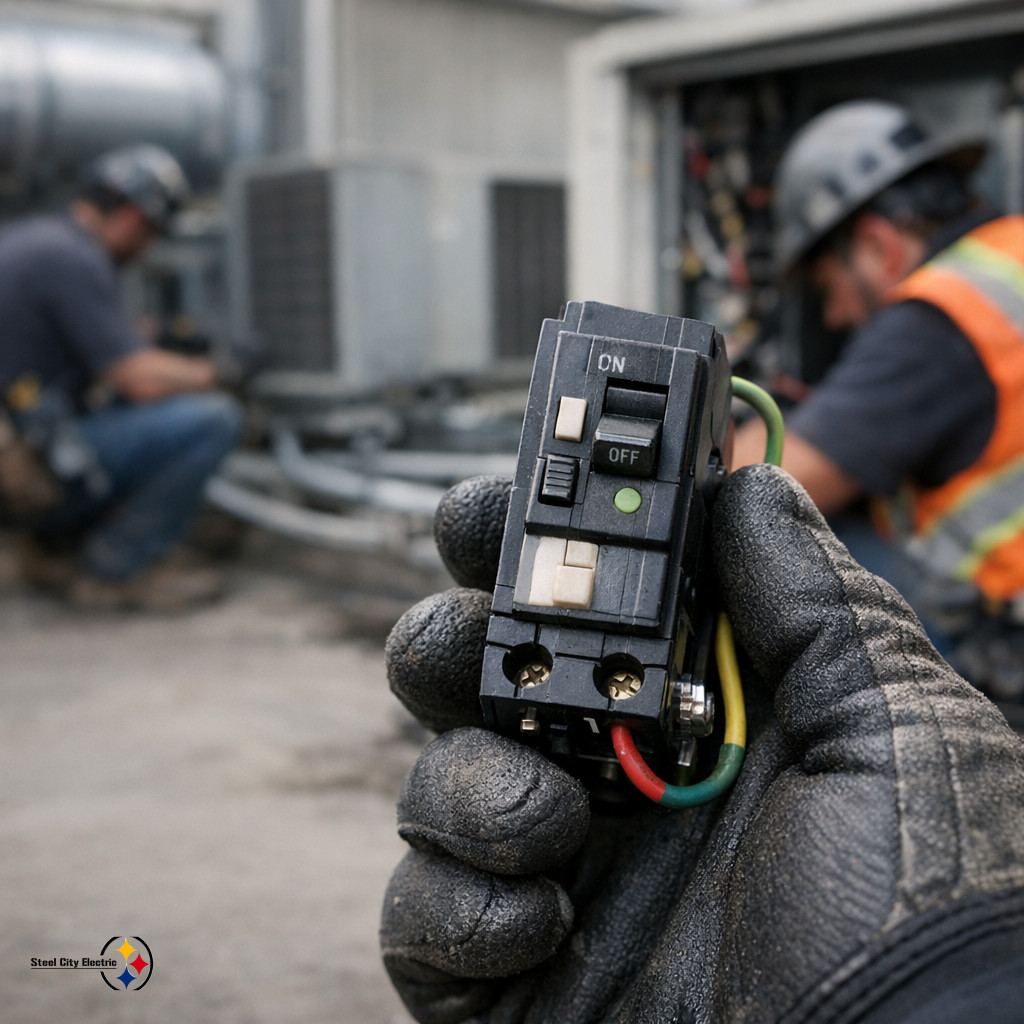
Around Lakewood Ranch, Florida, that matters on commercial sites. Losing cooling is not just a comfort complaint. It can shut down offices, affect stock rooms, slow production areas, and bring tenant calls right away. Adding GFCI protection to outdoor air conditioners and heat pumps is not always a clean breaker swap either. Leakage current, old insulation, shared raceways, weak connections, or the wrong disconnect setup can all show up once the testing starts.
According to a recent report from homepros.news titled A long-delayed GFCI requirement is set to hit outdoor HVAC equipment in September, the delayed 2020 NEC requirement for outdoor HVAC equipment is coming back into play. For crews in the field, this is the kind of rule that exposes what has been hiding behind locked panels and weathered condensers. Some work passed fine years ago. Some was patched during a changeout. Some just never got looked at because the equipment kept running.
Good commercial and industrial electrical installation is where the difference shows up. The question is not only whether a GFCI device can be installed. The real question is whether the feeder, panel, grounding path, disconnect, and unit wiring can handle it without nuisance trips or call-backs after the HVAC crew is gone. Sometimes that means tracing the circuit. Sometimes it means opening the panel before anyone orders equipment.
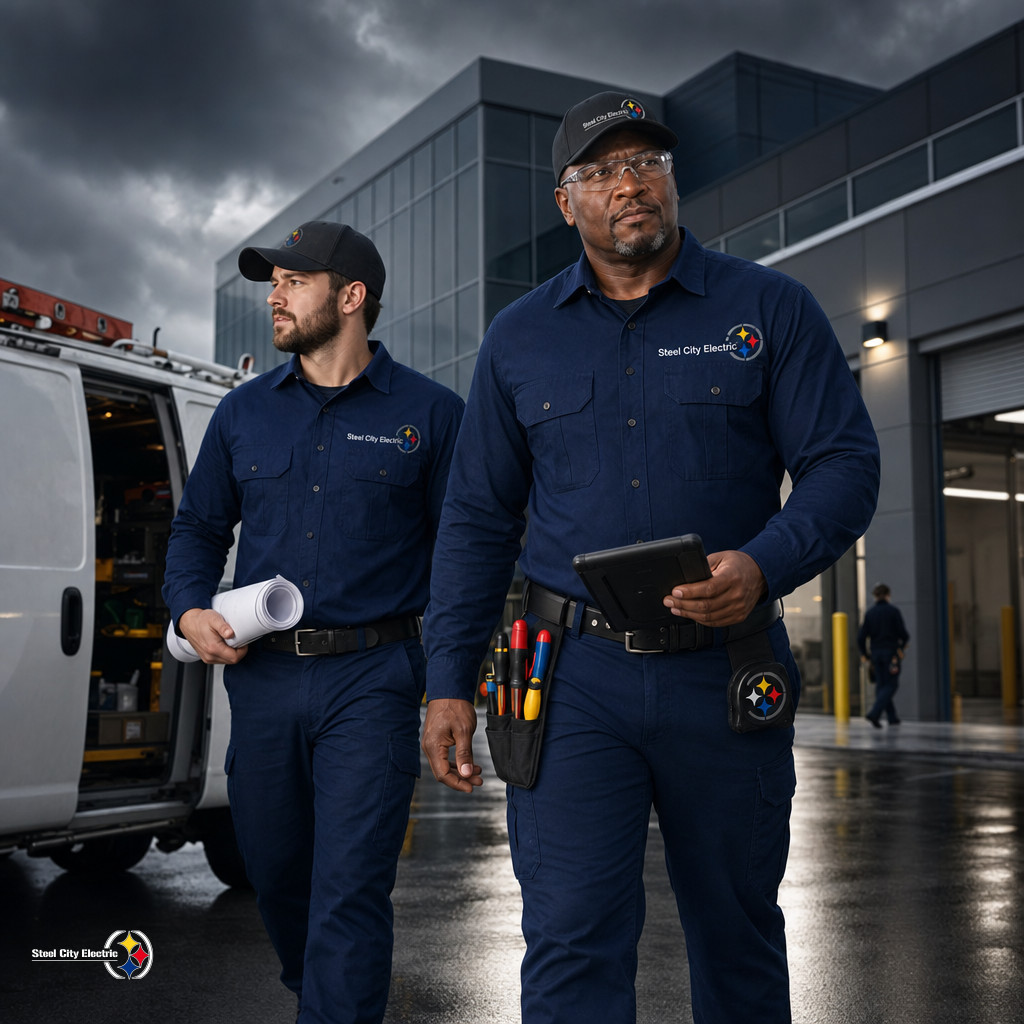
Steel City Electric has handled this type of coordination on jobs like Foot Locker Sarasota, where electrical work had to stay lined up with the buildout schedule and not hold up the store side of the project.
Commercial owners should plan for more front-end checking as this rule lands. A rooftop unit replacement, condenser swap, or equipment upgrade may uncover problems that were easy to ignore last season. Better to find a bad feeder, tight panel, or questionable bond before the crane is scheduled and the tenant is waiting.
Steel City Electric handles commercial and industrial electrical installation with the actual site conditions in mind. If outdoor HVAC work is coming up, the electrical path needs to be checked before the new unit is sitting there and everyone is working against the clock.