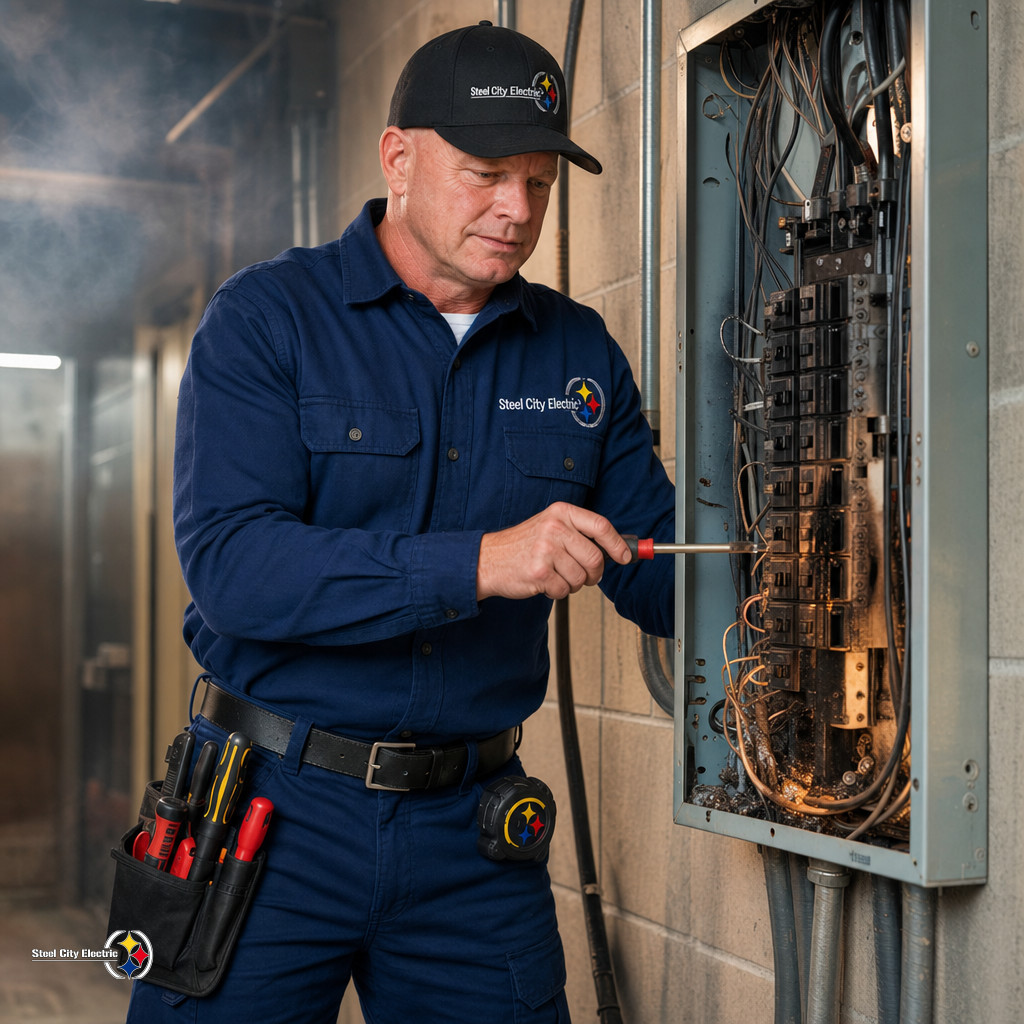

Commercial service gear used to be something we could usually get moving early, get inspected, and keep the job rolling. Lately, not so simple. Switchgear, meter stacks, CT cabinets, main disconnects, gutters, utility specs, even the cabinet location can turn into a holdup if nobody pins it down up front. The concrete can be poured. Framing can be moving. The owner may already be talking about soft opening dates. None of that matters much if the building is waiting on service equipment.
That is where commercial new electrical service installation ends up on the critical path. It is not just another line item in the electrical scope. A crew can rough panels, feeders, lighting, controls, low voltage sleeves, branch circuits, all the work that looks good on a progress walk. But permanent power still comes down to the service entrance, grounding, utility approval, inspections, and the right gear sitting on site. Miss one part and energizing can slide fast.
We see it a lot on restaurants, gyms, retail spaces, medical offices, and tenant buildouts where the load grows after the first plan set. Someone adds kitchen equipment. A rooftop unit changes. A tenant wants more capacity than the original service allowed. On paper it looks like a service size adjustment. In the field it can change the gear footprint, feeder route, wall space, utility review, and sometimes the whole layout. Gear shows up and the door swing is wrong. Utility asks for a different setup than the drawings showed. It happens more than people think.
Steel City Electric has dealt with that kind of power planning on projects like LA Fitness Tampa, where the electrical upgrades had to fit around an active renovation schedule. There is not much room for guesswork when parts of a building still need to operate and the work has to be phased cleanly.
For owners and GCs, the pain usually shows up near the end. HVAC startup waits. Fire alarm waits. Lighting controls, kitchen equipment, POS systems, access control, elevators, test and balance, all of it depends on real power. If new commercial service requirements are not reviewed until the drawings are mostly baked, the job can get boxed into a corner.
The better move is getting an electrical contractor involved before the assumptions become expensive. Verify the load. Walk the service location. Look at clearances. Confirm utility requirements. Check lead times before the schedule depends on parts nobody has ordered. Steel City Electric plans and installs service equipment with actual field conditions in mind, from the first layout through final energizing. If the project needs commercial service installation, early coordination beats standing around later waiting on gear.