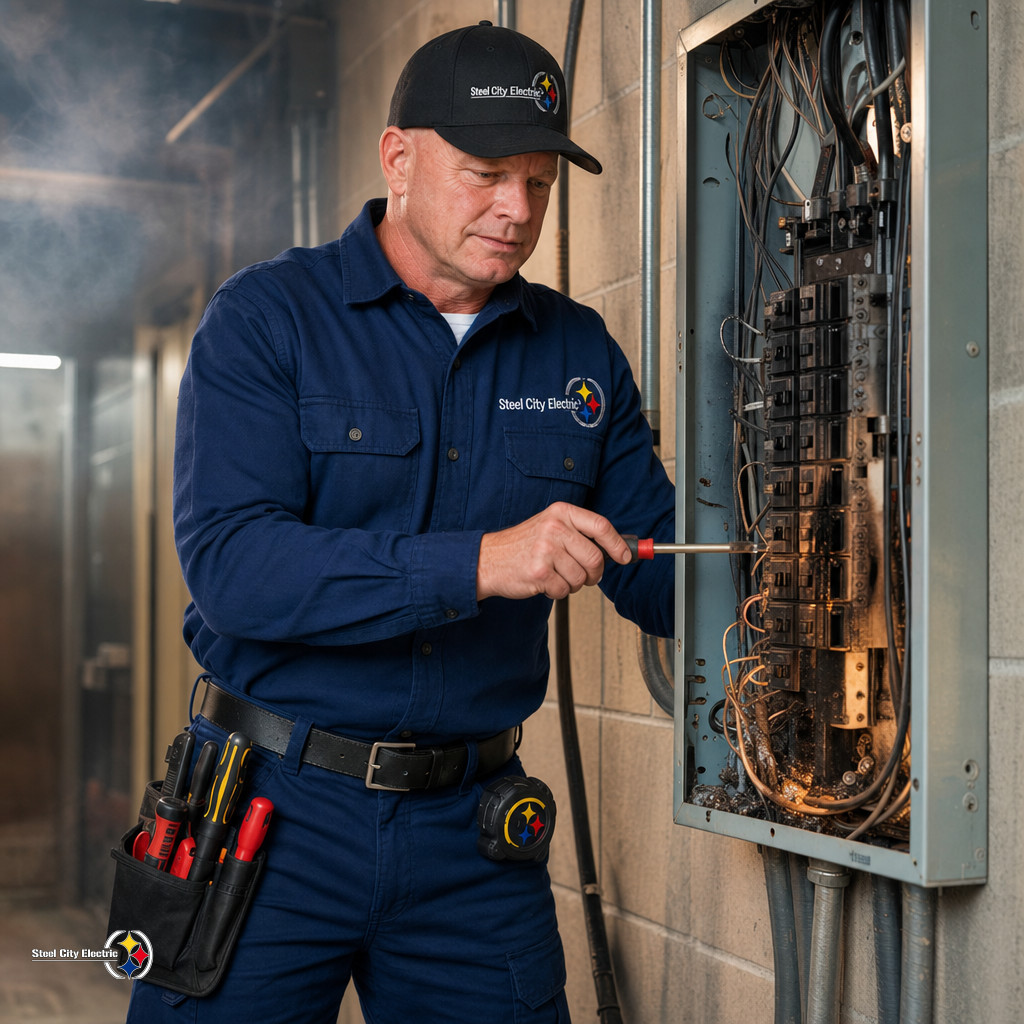
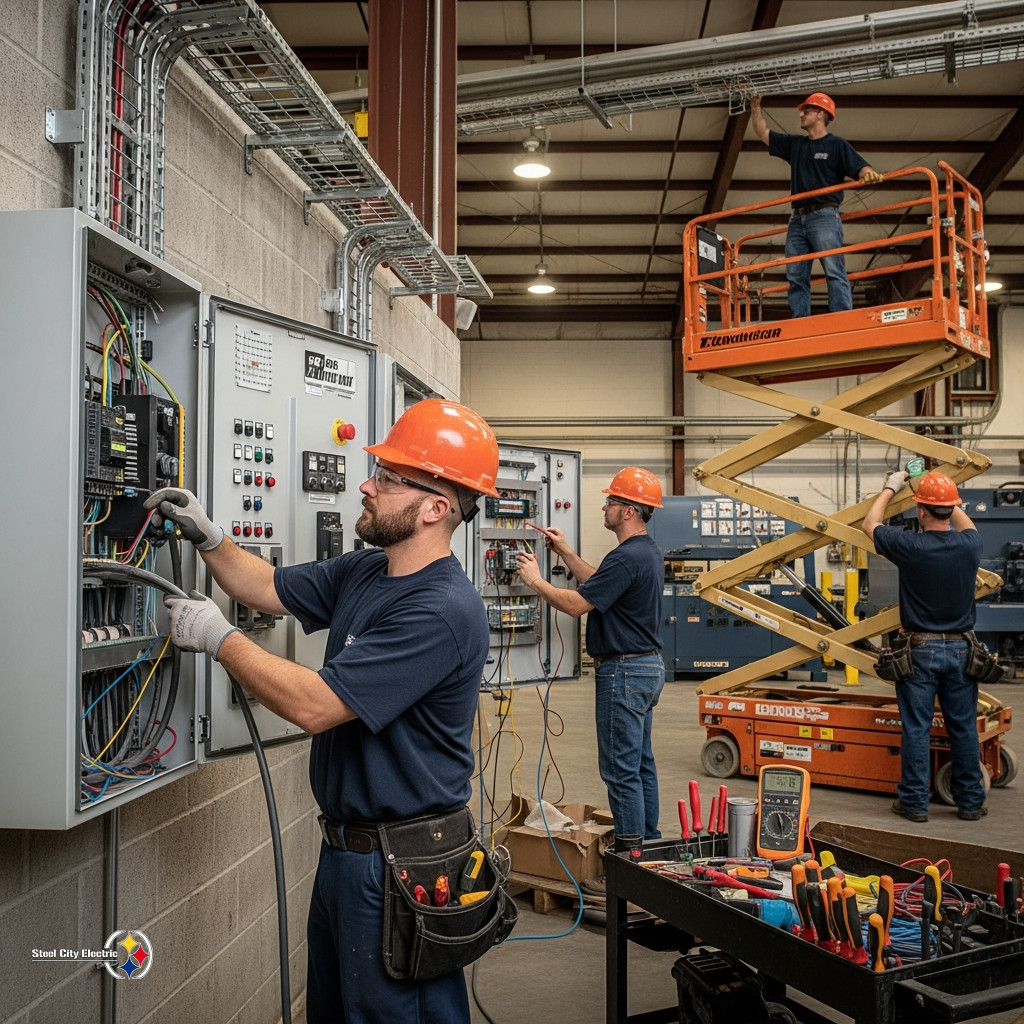
Step into the electrical room on a commercial buildout and it usually does not take long to see where the schedule may get tight. New HVAC units. EV chargers. Access controls. Data racks. Production equipment that showed up after the first set of drawings. It is rarely one huge item causing all the trouble. More often it is a pile of smaller loads landing on panels and service gear that were already close. That is when commercial and industrial electrical installation becomes a front-end issue, not something to clean up at the end.
Out in the field, added load changes the plan fast. Feeders may be undersized. Spare breaker space may not really be spare. Old conduit can be full, tagged wrong, or buried above ceilings nobody wants opened again. Shutdowns are another problem. A tenant may agree to a short outage in a meeting, then the store opens, the staff is there, and suddenly four hours without power is not so simple. Cutovers, temp power, inspections, utility timing, and other trades all have to line up. Guessing is how jobs lose days.
This is showing up more on commercial and industrial sites as buildings take on heavier mechanical systems, refrigeration, fitness equipment, shop machinery, data gear, and control packages. A good installation is not just getting wire from one point to another. Somebody has to verify the load, check the path, think through grounding, label the work clearly, and make sure the finished system fits how the building will actually run. Steel City Electric has dealt with that kind of planning on projects like LA Fitness Tampa, where commercial power upgrades were part of the scope.
The expensive problems usually start when the electrical work gets pushed behind equipment delivery or a tenant move-in date. Bad assumptions lead to nuisance trips, hot gear, failed inspections, or a service change nobody budgeted for. Drawings help, but they do not always show the real weak spot. On larger facilities, Steel City Electric follows the path from the service equipment through the distribution and out to the final connection, because the issue may be in the middle of the run.
Any company adding equipment, changing occupancy, or renovating a working space should have the electrical side checked before purchase orders are locked in. Steel City Electric handles industrial and commercial installation work around actual site conditions, not best-case schedules. If the load is changing, the installation plan has to change too. It is a lot better to find the problem in the electrical room than during startup.