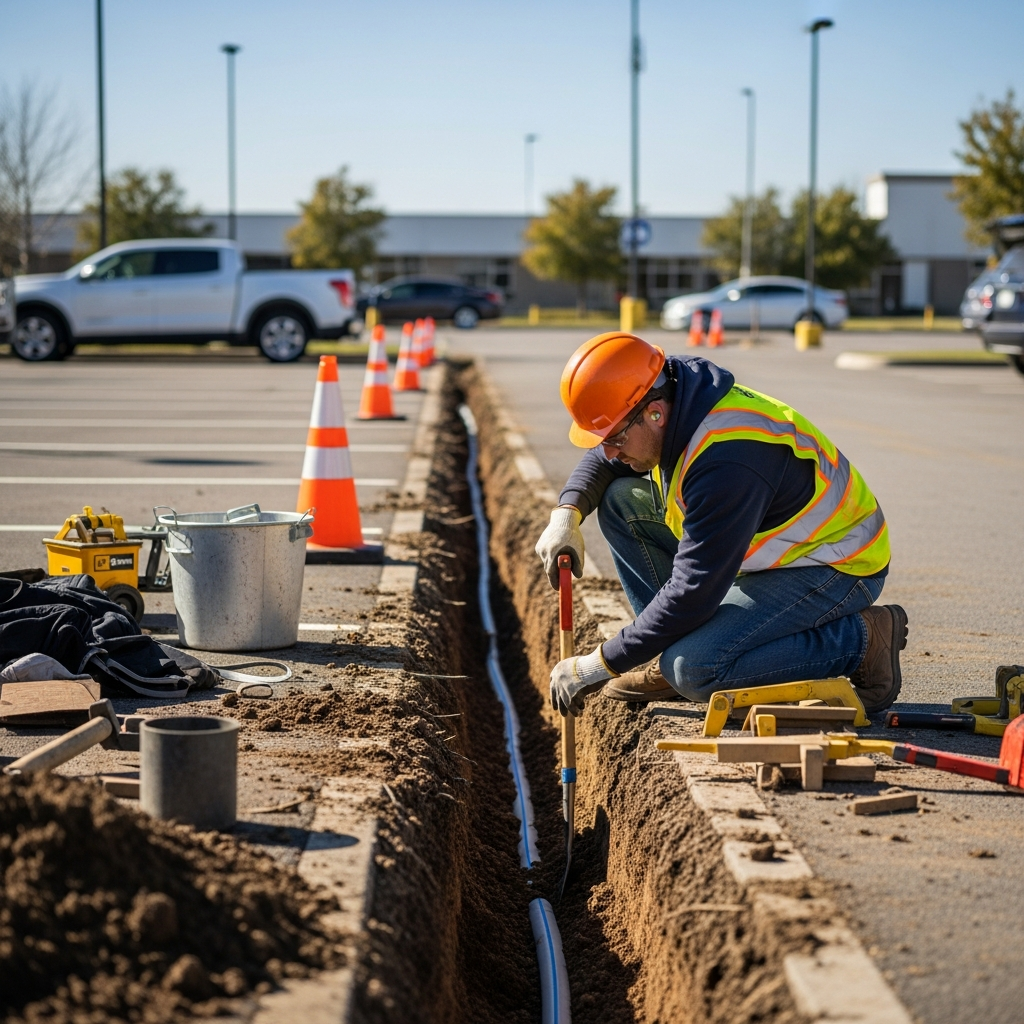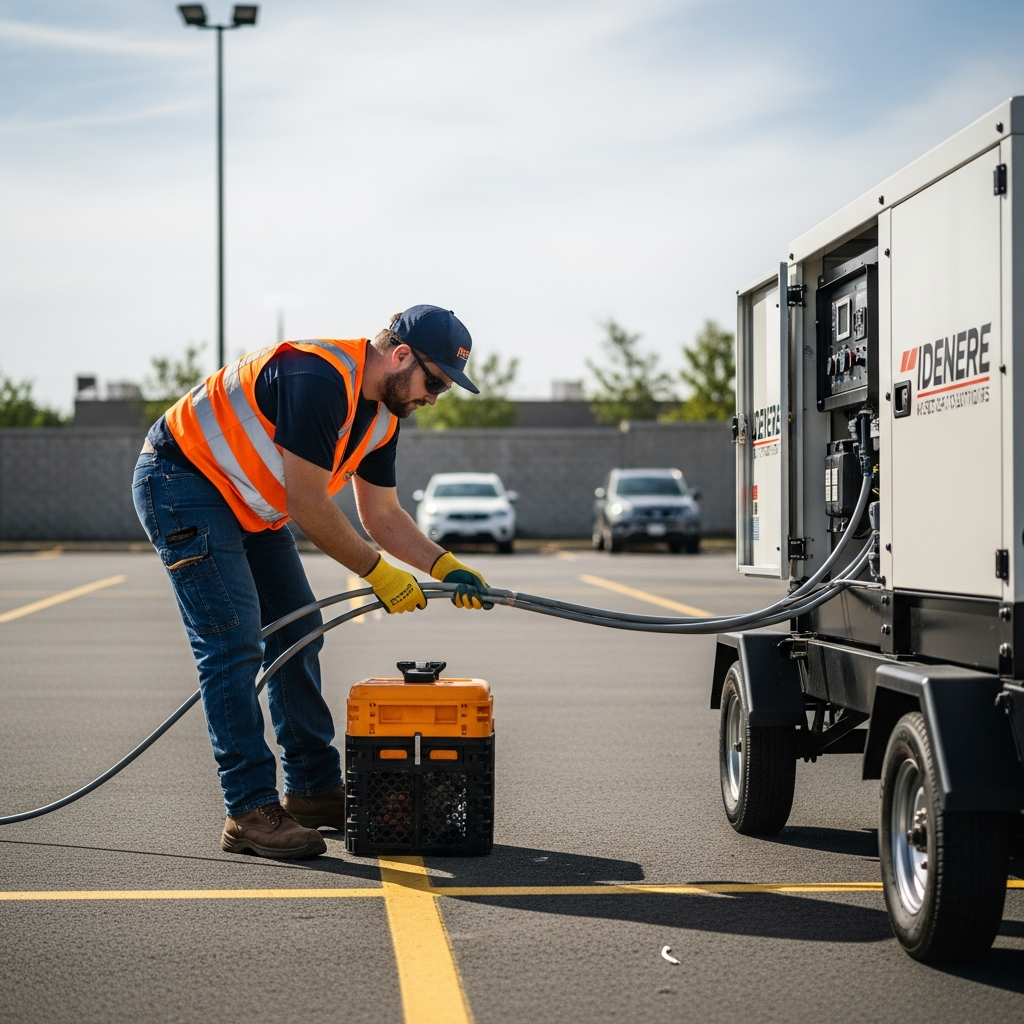
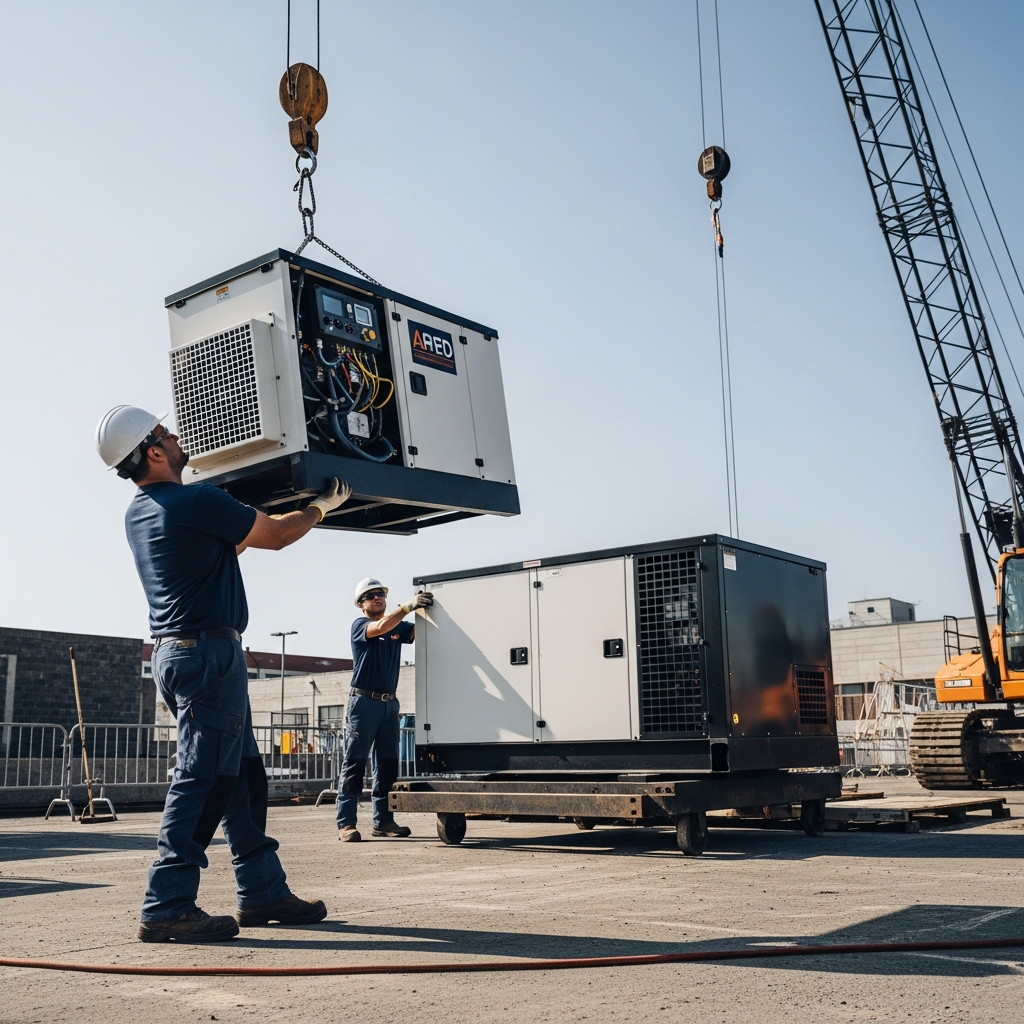
Stand on the south edge of a commercial pad in Bradenton on a Tuesday morning and you can usually tell when something is off. The trench is open again. Spoil piles in two directions, fresh saw cuts where there shouldn’t be any, and a foreman on the phone with a tone that says the schedule just slipped. Nobody wants to be standing there a second time.
That trench got opened twice because nobody pulled the locate tickets before the first dig. Simple as that. The second open up cost the owner more than the original bid and it pushed the schedule out almost two weeks. Stuff like that happens more than people think on commercial sites around Bradenton and Sarasota, especially when crews are racing to get conduit in the ground before the slab pour.
cnet.com, “The Waggle Pet Temperature Sensor Dropped to Its Lowest Price Ever For Amazon’s Spring Sale” may seem unrelated, but the underlying point about monitoring conditions before something fails is the same idea we deal with on every underground utility install. Catch the issue early or pay to dig the trench twice.
The first cut on that job was rushed. Crew dropped the conduit, backfilled, compacted. Then the inspector flagged the bend radius on a sweep, and a secondary feeder route had to be added because the GC changed the equipment layout after the trench was already closed. So we reopened it. Cut asphalt again, pulled conduit again, re-pulled the warning tape. The second time around we ran an extra spare, which honestly should have been planned from day one.
A lot of these underground problems trace back to coordination. The civil crew, the new construction electrical team and the utility need to be on the same page before anything goes in the ground. When that breaks down, the conduit path gets compromised, or the depth isn’t right, or someone forgot the pull boxes at the transition points. We’ve seen all three on jobs in Hillsborough.
One thing I’ll say, and people don’t always like hearing it. Most underground reworks are not the electrician’s fault. They’re a planning failure. The trench gets opened based on a plan that’s already two revisions behind, and nobody catches it until the directional bore is halfway under a drive aisle. If the GC isn’t running coordination meetings weekly, the underground scope is going to suffer. Period.
What we try to do now, before any trenching starts, is walk the site with the project manager and confirm conduit routes against the final electrical drawings. Sounds basic. It is basic. But you’d be surprised how often that walk gets skipped. We also push for redundant pathways on bigger commercial sites because if a feeder ever fails inside a buried duct bank, you do not want to be jackhammering through a finished parking lot to fix it. That ties into new service installation planning too, particularly when the utility transformer pad location is still being finalized.
Trench done right the first time saves the owner real money. Trench done twice costs everybody.
FAQs
Why do underground electrical trenches get reopened?
Usually because the conduit path was approved before the final equipment layout, or because depth and bend radius didn’t pass inspection. Sometimes the utility changes the transformer location after the trench is already closed.
How deep should commercial underground conduit be buried in Florida?
Depends on the conduit type and voltage. Most commercial primary runs go 30 to 36 inches with marking tape above. Secondary feeders can be shallower, but local AHJ and NEC requirements drive the final number.
Can underground electrical work be done after the slab is poured?
You can, but it’s expensive and disruptive. Saw-cutting concrete, trenching under an active building, then patching back is a different scope entirely. Better to get conduit in before the slab goes down.
Who’s responsible if the trench has to be reopened?
Depends on the cause. If it’s a design change, that usually falls on the owner or GC. If it’s a depth or bend issue, that’s on the installing contractor. Locate tickets and pre-dig coordination usually settle the argument.
How long does a commercial underground install take?
Anywhere from a couple of days to several weeks. Site size, conduit count, directional bore requirements and inspection timing all play into it.
steelcityelectricfl.com/Underground Wiring Installation and Repair