On a commercial job, everybody likes to talk like the power will be there when the walls are painted and the equipment shows up. Sometimes it is. Plenty of times it is not. New retail space, office buildout, restaurant shell, gym, small warehouse, medical tenant, all of them can get stuck waiting on the same few things: service gear, meter spot, utility approval, transformer release, inspection signoff, then the crew to actually energize it. One missed email or a utility date that moves two weeks can leave a finished space sitting there with extension cords and frustrated owners.
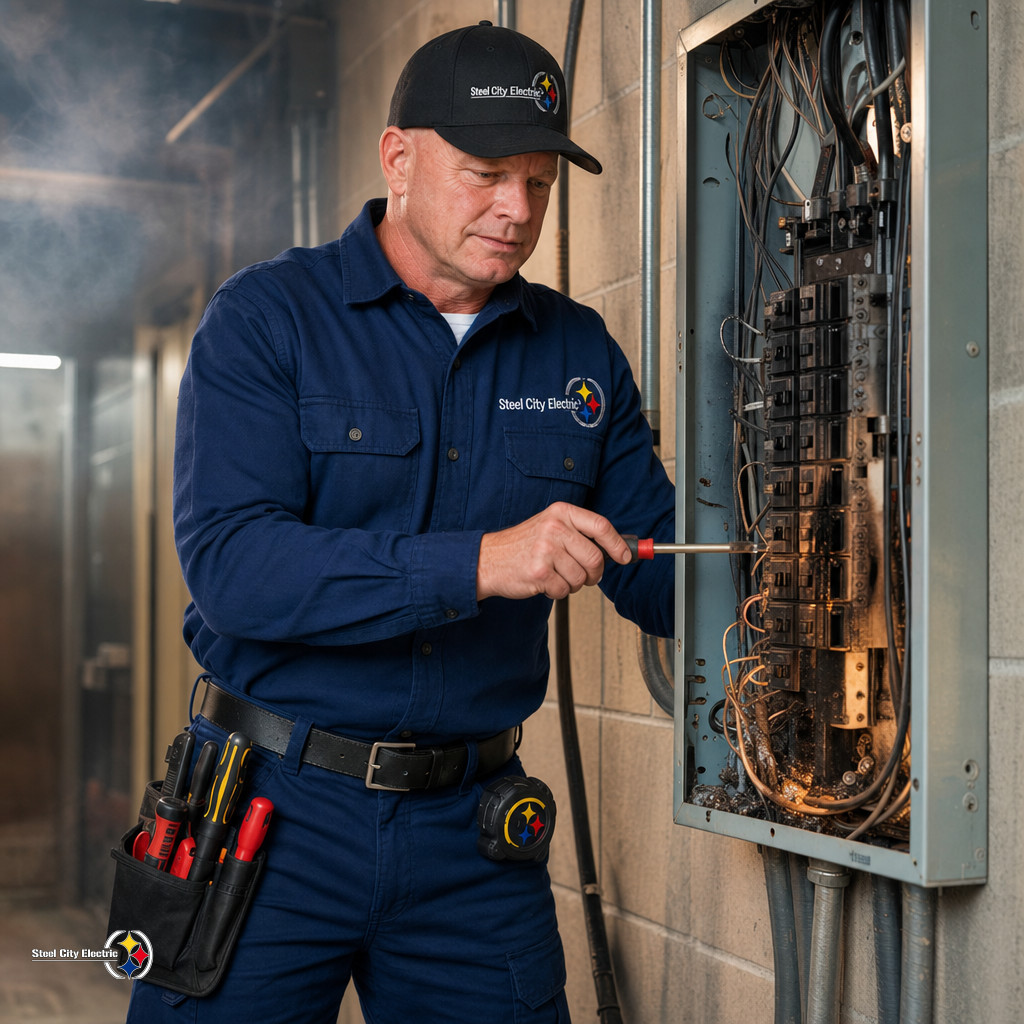
That is why commercial new electrical service installation needs to be talked through early. Not after the ceiling grid is in. Feeders, panels, grounding, disconnects, CT cabinets, meter cans, service equipment, all of that can be installed clean and still not mean power is ready. The utility has its own rules. Its own schedule too. Plans may show a nice straight run. The site may have old conduit in the wrong place, a tenant that changed equipment, a revised HVAC load, or lighting controls nobody mentioned during the first walk.
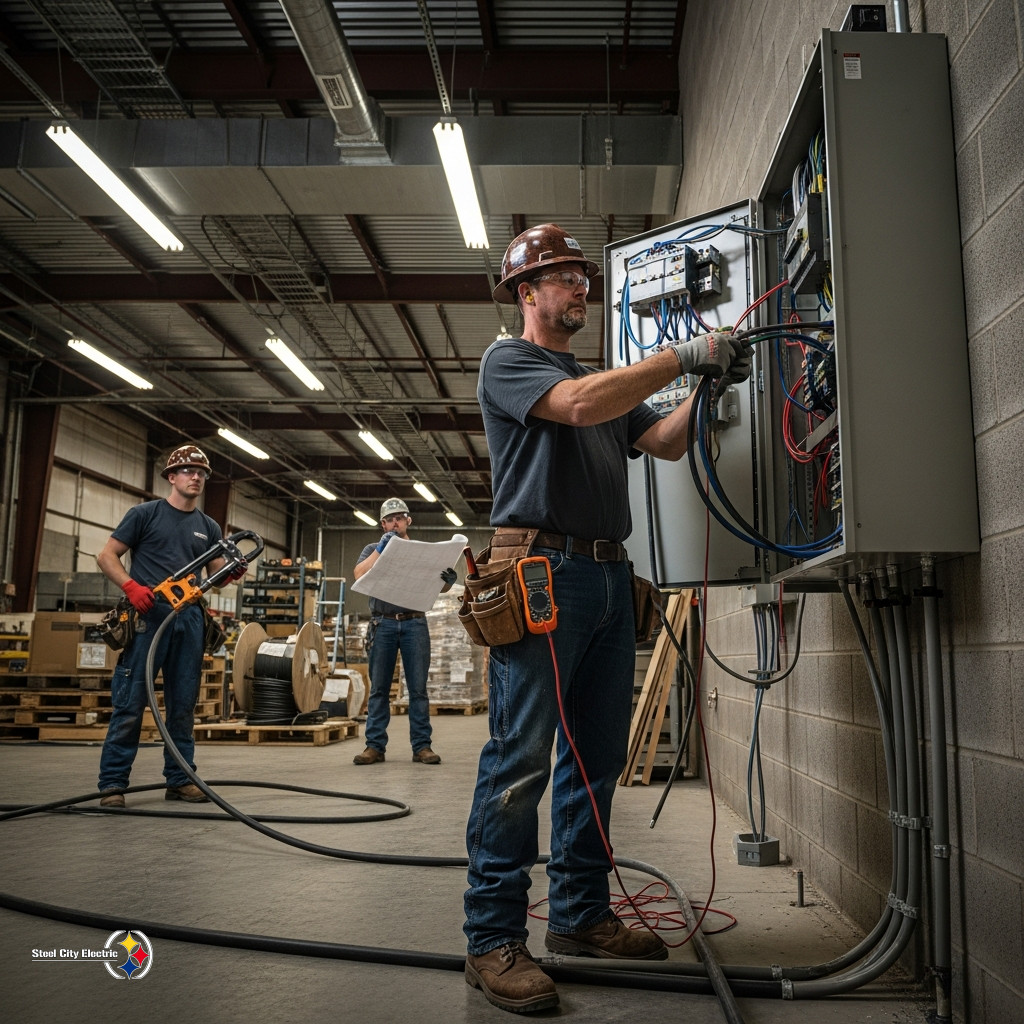
Longer lead times are not just office talk. Contractors dealing with commercial service work see it on real jobs. Switchgear does not arrive faster because a tenant has a grand opening. Transformers do not care about rent commencement. If permanent service is late, temporary power gets abused, startup gets pushed, and equipment testing turns into a scramble. Steel City Electric has dealt with that side of commercial power work on projects like LA Fitness Tampa, where power system improvements had to be handled around an active fitness facility, not a clean empty box.
The problem gets worse once operations are tied to the date. Staff training, refrigeration startup, final inspections, fire alarm testing, access control, POS systems, low voltage commissioning, all of it wants stable power. If the service is not ready, the schedule starts lying. Work like service equipment setup and utility coordination has to stay code-compliant while the field keeps changing. That takes more than just pulling wire. It takes someone paying attention to what the utility, inspector, GC, and owner all need before the day power is expected.
Owners and general contractors are usually better off bringing the electrical contractor in before the job is boxed in by slab, walls, ceilings, and ordered equipment. Load numbers need to be real. Meter locations need to be workable. Grounding, panel capacity, utility forms, inspection order, and energizing steps need to be looked at before changes get expensive. If the project needs a new service, a service upgrade, or a practical plan to get a commercial space powered up, Steel City Electric can help lay it out and keep the service side from becoming the thing holding the job hostage.