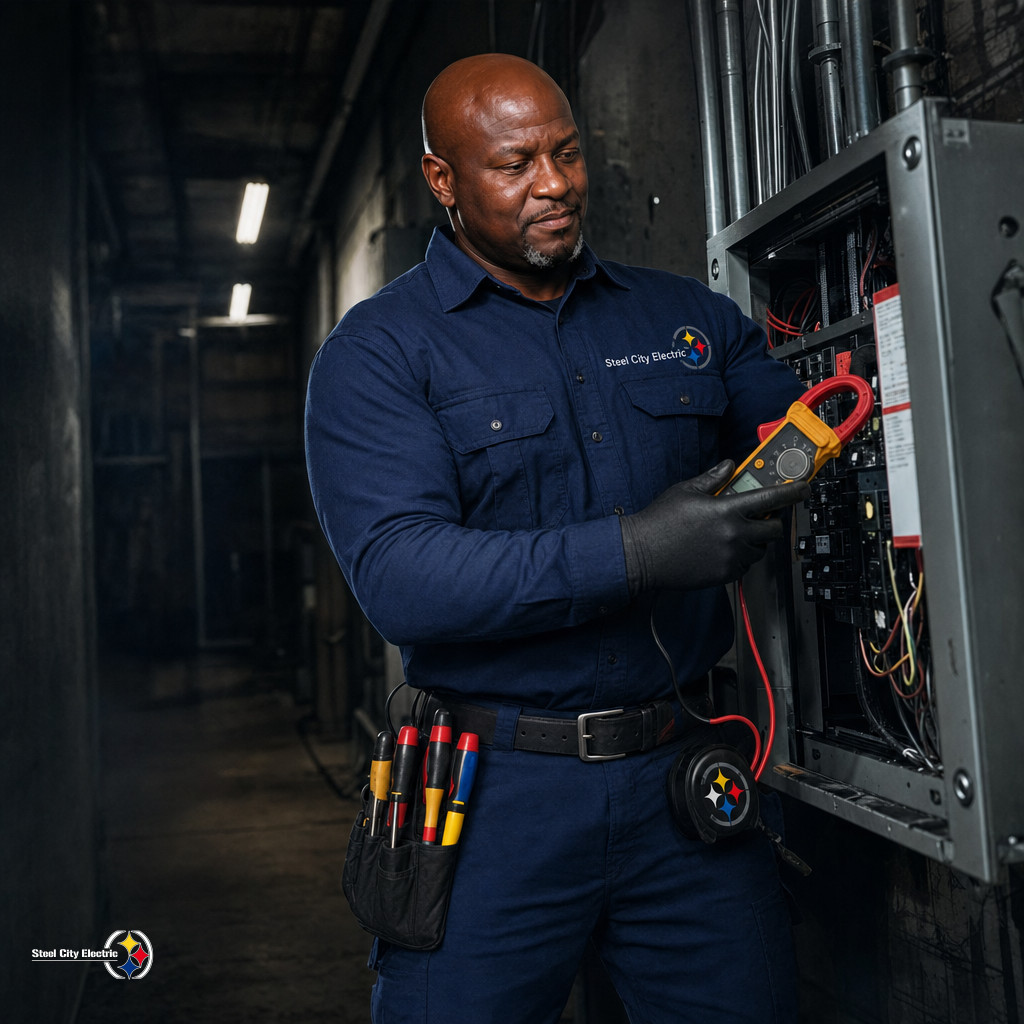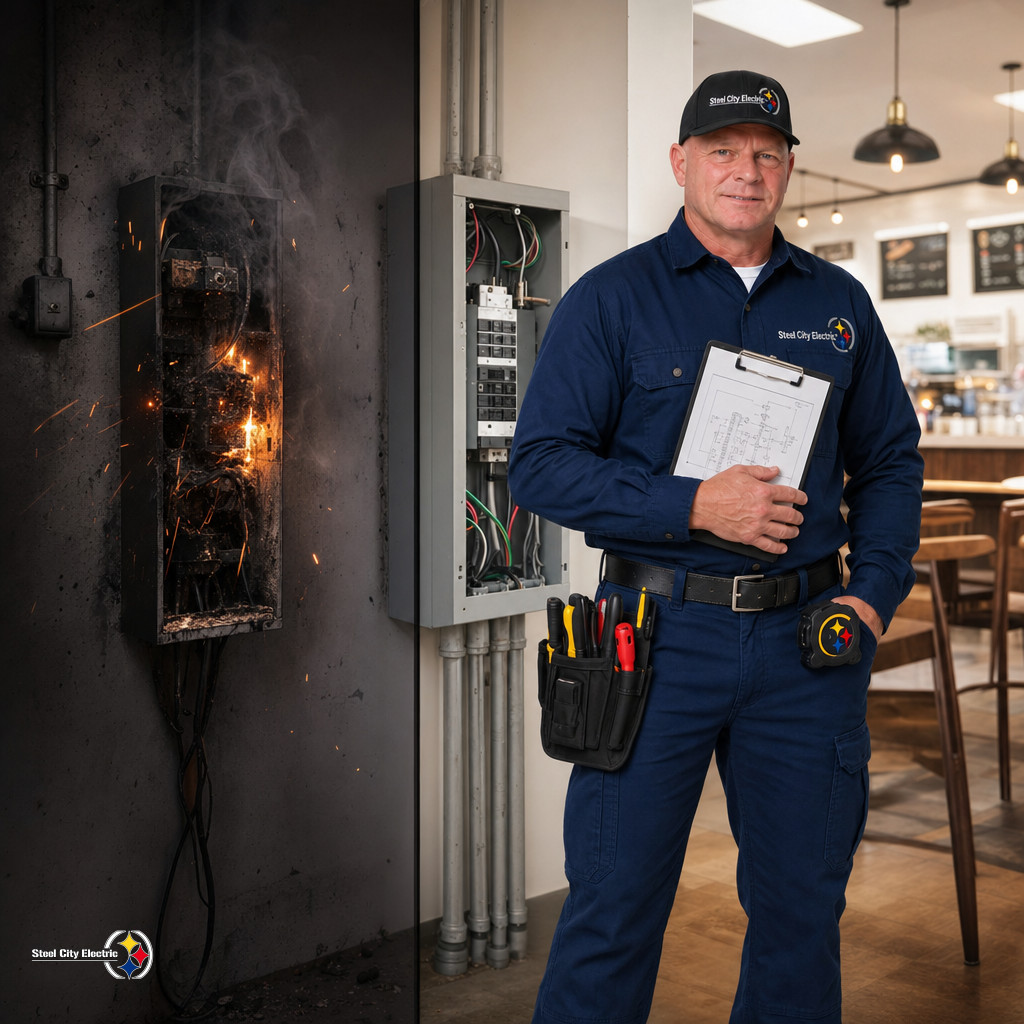

Rate hikes usually get noticed on site before they show up in a budget meeting. Lights start getting shut off in sections. The warehouse guy holds off on adding a piece of equipment. Somebody asks if the panel has “a little more room in it,” even when the cover tells a different story. Around Sarasota, Florida, that can turn a simple commercial buildout into a fast electrical problem. HVAC, coolers, lighting, controls, office changes, tenant gear. It all lands in the same electrical room sooner or later.
A recent report from business.inquirer.net titled 48 power utilities charge higher rates said nearly 50 utilities were charging above the reported average rate in June, while some renewable-based providers came in lower. For a property owner or facility manager, that is not just a headline about rates. It means the weak parts of the system get more expensive to live with. Bad load planning, old distribution, tight panels, and undersized circuits do not just create nuisance calls. They waste time, drive up service costs, and can stop work when the building is already busy.
This is why commercial industrial electrical installation cannot be treated like a clean drawing exercise. The real load matters. So does how the space is actually being used. Adding tenant circuits, moving lighting, feeding new equipment, setting panels, or leaving room for future machinery all gets harder when the original install was built for a different business. A space that worked fine as storage may not work fine with refrigeration, point-of-sale systems, signage, and added HVAC demand.
Steel City Electric has run into that kind of commercial wiring reality on Foot Locker Sarasota, where crews handled interior electrical systems for a retail tenant buildout. In that type of job, the wiring has to serve the finished storefront, not just pass through an empty shell. Lighting, receptacles, panels, and controls all need to land where the tenant can actually use them.
Cutting waste is not always about turning fewer lights on. A poor panel location can add labor to every service call. Overloaded branch circuits create complaints that keep coming back. Bad lighting control layout makes staff bypass the system. No spare capacity means the next tenant improvement starts with a problem instead of a plan. Older Sarasota County commercial buildings and spaces with frequent tenant turnover see this all the time.
If electric rates keep climbing, waiting for a failure is not much of a savings plan. Steel City Electric can look at the site conditions, check the actual load needs, and handle Commercial Industrial Electrical Installation work before a small capacity issue turns into a shutdown, failed inspection, or after-hours emergency call.