A clean energy boom can still leave behind a dirty problem: Australia is on track to generate massive amounts of solar panel waste by 2030.
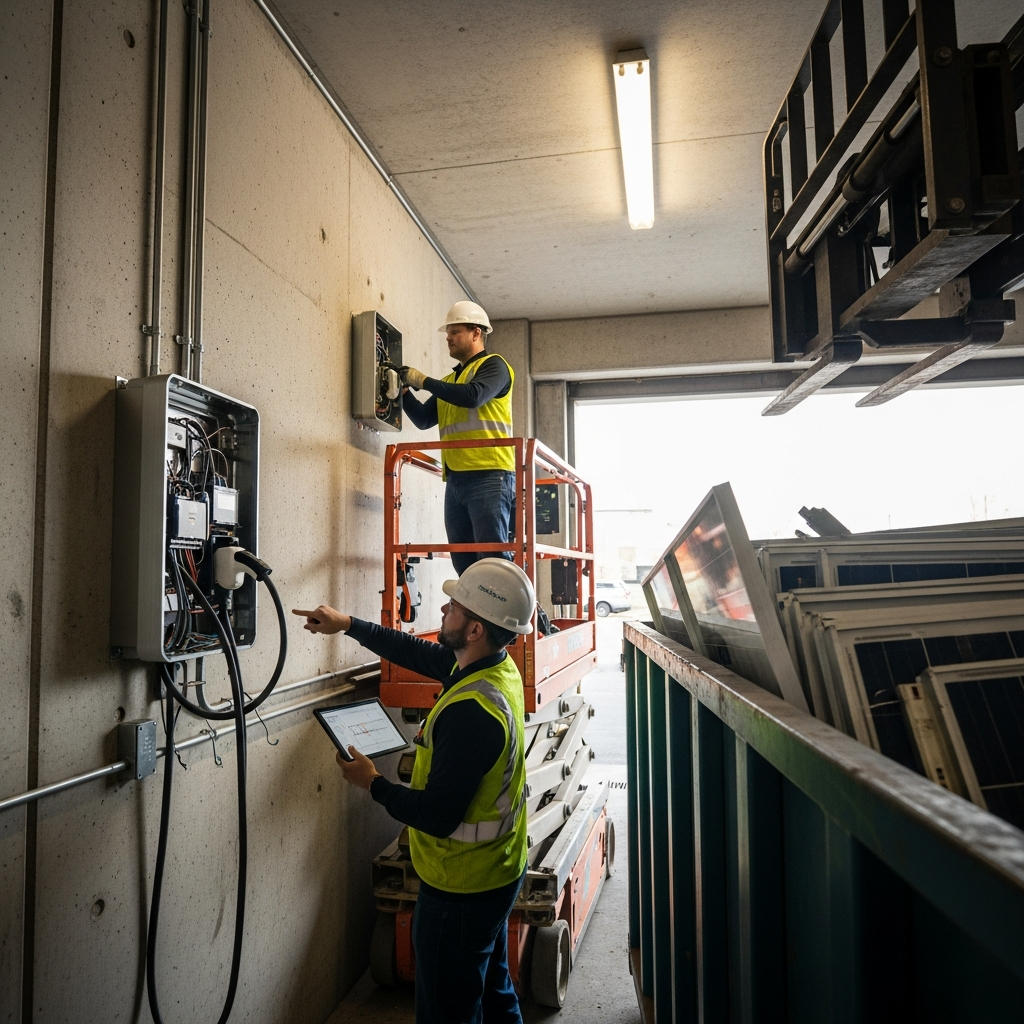
That should get the attention of every commercial property owner, facilities manager, and developer watching the solar market grow. Solar panels are built to last, but they do not last forever. When large systems start aging out, businesses face a real challenge: how to remove, handle, transport, and replace old equipment safely and responsibly.
For commercial buildings, this is not just an environmental issue. It is an infrastructure, budgeting, and compliance issue. Older rooftop systems can create added risks during reroofing, electrical upgrades, tenant improvements, and equipment expansion. If planning is poor, panel disposal and replacement can drive up downtime, labor costs, and liability.
This is where long-term electrical planning matters. Businesses investing in solar need to think beyond installation day. That means understanding system lifespan, inverter replacement cycles, disconnect locations, service capacity, and what happens when panels eventually need to come off the roof.
Residential systems will face similar concerns, but the commercial side will feel the bigger impact because of scale. One building can produce a serious volume of end-of-life equipment.
The warning is simple: solar is not just about what you install today. It is also about what your building will be forced to deal with tomorrow.
steelcityelectricfl.com/commercial-electrical-panel-installation-upgrades-blog