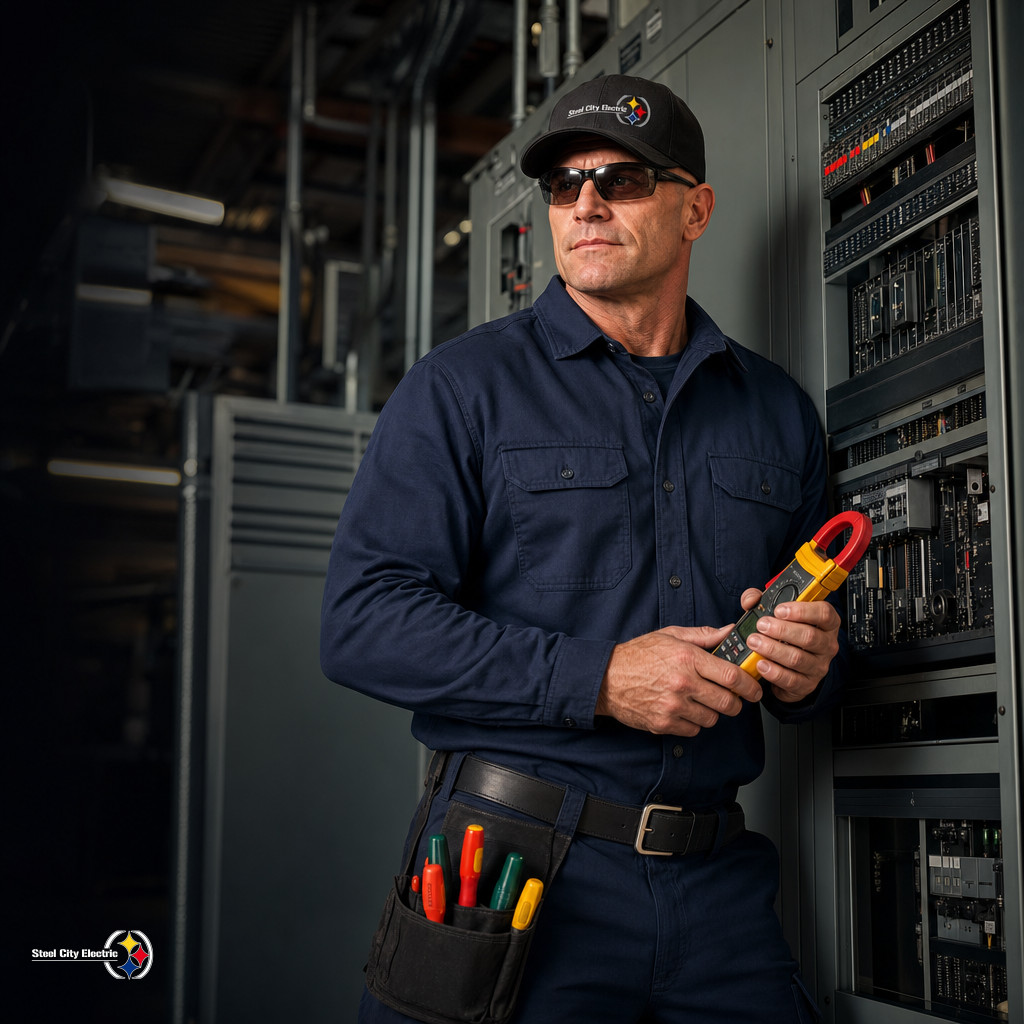

Commercial lighting usually fails at the worst time. Closing shift, lunch rush, early check-in, exam room turnover. One hot relay or a tired breaker can turn into half a dark floor before anyone finds the panel. Around Siesta Key, Florida, a lot of properties have had lighting upgrades done in stages. LED fixtures here, occupancy sensors there, old branch wiring still above the grid. It works fine until the load changes, a control part fails, or moisture and heat finally get to something.
24/7 commercial emergency electrical repair matters because this is not always a “flip the breaker” problem. Networked lighting controls are useful, no argument there. They can cut power use and give managers better control of zones. They also add drivers, gateways, dimming modules, relays, sensors, low-voltage runs, software settings, and more places for a failure to hide. A wall switch may tell you nothing. The panel usually tells more.
A recent report from facilityexecutive.com titled Driving Deeper Energy Savings With Networked Lighting Controls points out how LED systems with networked controls can lower operating costs and tie into larger building systems. That lines up with what electricians see in the field when the installation is clean. Trouble starts when a zone will not respond, emergency lights drop out, breakers keep tripping, or one control cabinet starts taking down areas it should not touch. At that point nobody wants a seminar on efficiency. They need lights working.
Steel City Electric has dealt with the same kind of coordination on Foot Locker Sarasota, where the lighting had to match the real conditions of a retail tenant buildout, not just a drawing.
From the floor, a lighting outage can look simple. It rarely is until someone tests it. A dark aisle or office bank might be a failed LED driver. Could be a loose neutral. Could be an overloaded lighting panel, a bad contactor, a damaged circuit above the ceiling, or a control device that stopped talking to the rest of the system. Sometimes the repair is fast. Other times the crew has to trace circuits, open ceiling tiles, check load, separate the bad section, and keep the business safe while the work is happening.
Properties with networked lighting need emergency planning that includes the electrical gear behind the controls. Panels, disconnects, lighting circuits, life safety connections, backup lighting, and access to ceiling spaces all count. If the outage is affecting staff, customers, security, refrigeration, treatment rooms, exits, or after-hours operations, Steel City Electric can respond through its commercial emergency electrical repair service and track the fault before it spreads into a bigger shutdown.