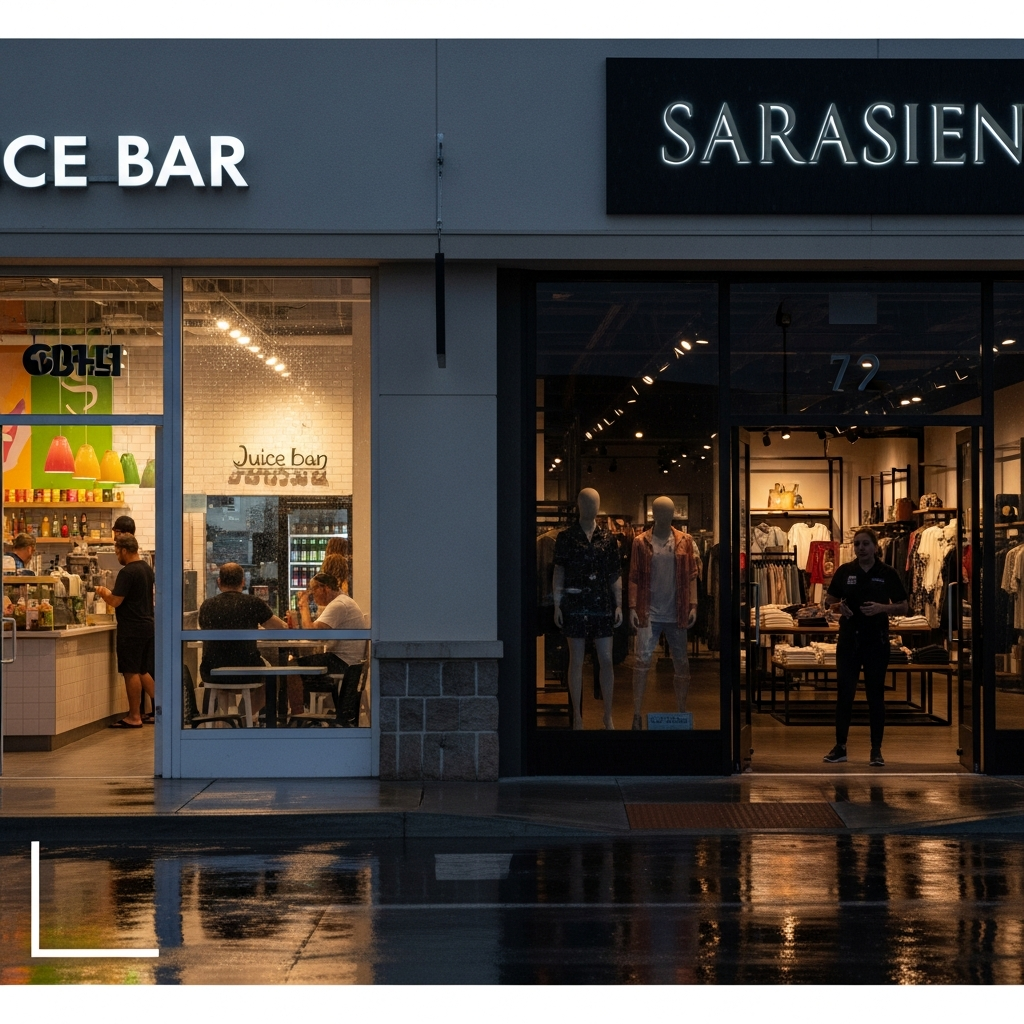
Saturday afternoon, strip mall off Clark Road, and something is wrong before anyone says a word. The lights in one suite are flickering low. A cooler motor is humming harder than it should. The dollar store at the end has half its ceiling lit, the other half dark. Customers are still walking in. Tenants are starting to look at each other.
That was the call I got last summer. Three tenants down, register systems dead, walk-in coolers warming up fast. Peak Saturday hours. Not a fun afternoon for anybody.
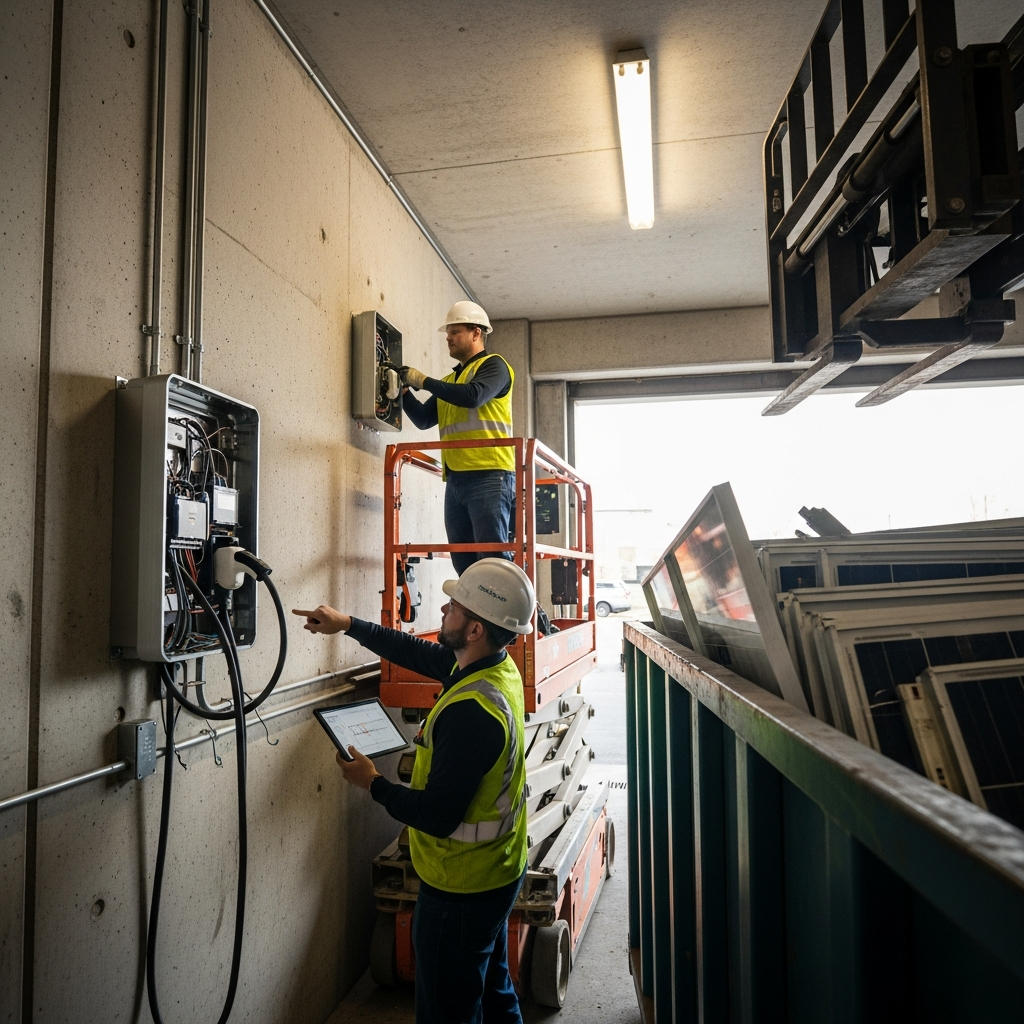
What we found wasn’t dramatic. The main service panel was original to the building, somewhere around 1998, and the load had crept up year after year as tenants swapped in newer HVAC, more refrigeration, and a nail salon that added autoclaves nobody planned for. A feeder breaker finally gave up. Honestly, I’m surprised it lasted that long.
A recent pypi.org, “power-grid-model 1.13.32” lines up with what a lot of business owners are starting to see in their own buildings. The library models distribution power flow at scale, and the same math applies to a single shopping center. Your panel was sized for the original tenant mix. Not the one you have now.
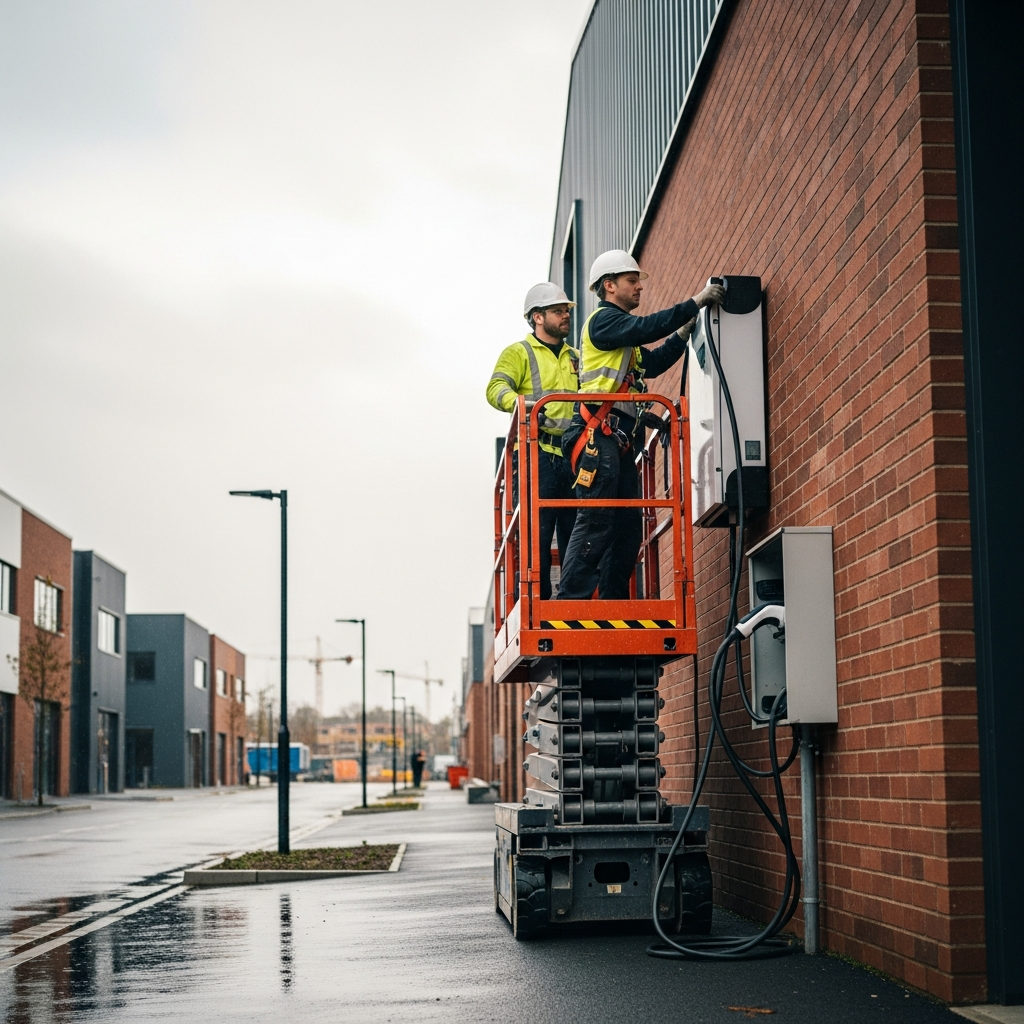
The fix wasn’t glamorous. We did a panel upgrade on the affected suite, rebalanced the load and the property manager scheduled a full service review for the rest of the building. We also left a number for 24/7 emergency response because outages don’t wait for Monday.
My opinion. Most strip mall failures aren’t sudden. They’re slow, and the panel was telling somebody for months. Nobody was listening.
steelcityelectricfl.com/24-7-commercial-emergency-electrical-repair-blog