A retail plaza off a four-lane road loses power to half its tenants on a Tuesday afternoon. Lights flicker once, then nothing. The breakers at the main aren’t tripped, the utility transformer is fine and the meter is still spinning where it shouldn’t be. Somewhere between the pad and the building, something underground gave up.
When a buried feeder line goes down on a commercial property, the first hour is usually chaos. Nobody has the original site drawings, the trench path got changed during the build and the only person who remembered where the splice sat retired two years ago. That’s the part people don’t talk about with tomshardware.com, “Tokyo consortium tests placing data centers under railway overpasses — passing trains introduce severe thermal and vibration challenges” — the article focuses on modular units that pack servers, cooling and power supply into a container-sized enclosure, but the same lesson applies underground. If you can’t trace the feed, you can’t fix the feed.
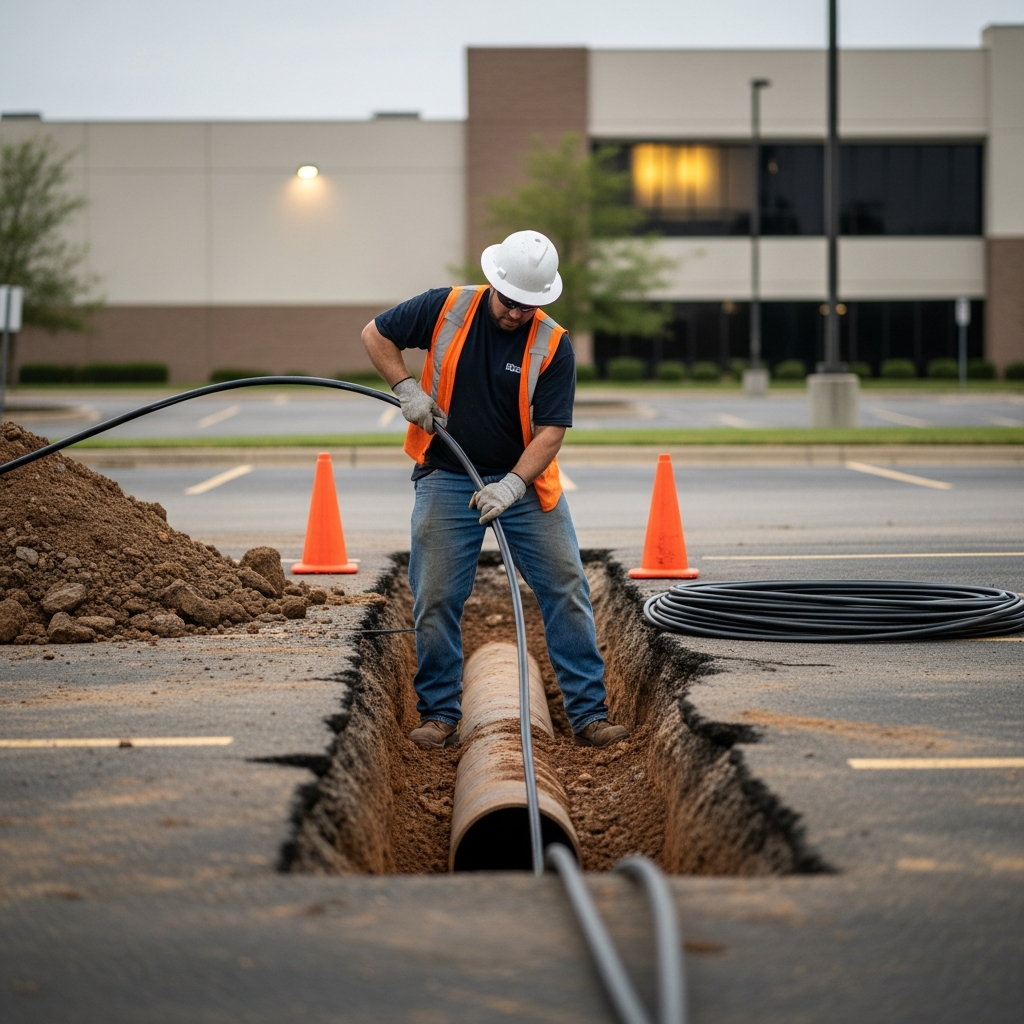
Honestly, half the buried failures I’ve walked into could’ve been solved in an afternoon if someone had documented the underground conduit run properly. Instead, crews end up potholing across a parking lot, guessing where the duct bank turns. That costs real money. And it’s avoidable.
My honest opinion, contractors who skip as-builts on new construction jobs are the reason these emergencies exist. A clean trench plan, accurate depth records and a marked conduit route during install means the next failure is a two-hour locate, not a two-day excavation. If your service entrance is fed underground and you don’t know the path, you’re already behind. Document it now, before the feed fails and nobody knows where to start.
steelcityelectricfl.com/underground electrical