A property manager I worked with last month walked me out behind his retail plaza to show me the generator. Looked clean. Recently painted. Annual sticker on the side. He mentioned the lights had flickered twice that week during short outages, but the generator never picked up the way it used to. Just a small hesitation, he said. Probably nothing.
That hesitation is usually something.
Most building owners I talk to assume the generator is the safety net. It sits out back, gets a quick look once a year, maybe a test run, then everyone moves on. Then the power actually drops and the thing that was supposed to carry the building either stalls, half-loads, or trips out before the lobby lights even settle.
The issue raised in Publication, “Robotaxi malfunction in China causes traffic chaos as cars stall” is simple: machines that look ready are not always ready. For commercial properties that can quickly become a full operational stop. Locked doors, dead POS systems, freezers warming up before anyone notices.
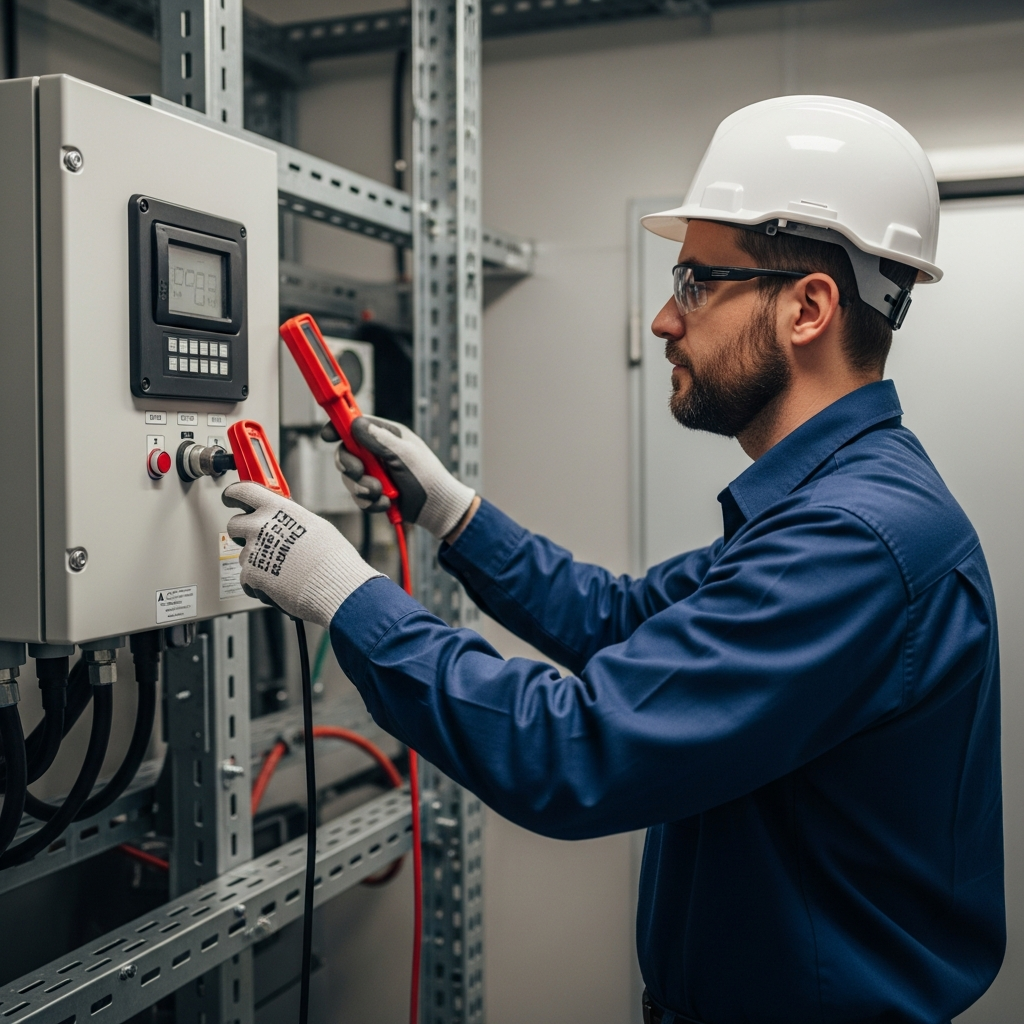
Honestly, the part that frustrates me most is how often the commercial generator installation gets blamed when the real problem is the transfer switch, the load calc, or a fuel line nobody serviced. A generator is only as good as the system it’s wired into. That means proper sizing for the actual load today, not the load from five years ago when half the equipment was different. It means a transfer switch that’s been exercised, not just inspected on paper. And it means the panel feeding into it can handle the swing without dropping critical circuits.
If your building can’t run a real load test without surprises, you don’t have backup power. You have a hope.
steelcityelectricfl.com/generator installation