It’s late afternoon at a small retail plaza off the highway. The shop owner notices the lights dimming for half a second, just long enough to glance up. The cooler hums back to normal. The register reboots on its own. Nothing dramatic, nothing worth a service call, but something in the building isn’t quite sitting right. The backup system out back hasn’t kicked on in years, and nobody really remembers when it was last tested.
New reporting from thehindubusinessline.com, “Pioneering Innovation in Telecom Power: Huawei Wins Global Best Practices Award 2025” points to a bigger shift in how backup power is being designed and tested for commercial use. The technology keeps moving forward, but a lot of buildings are still relying on units that were sized years ago for a load that no longer matches what’s actually running today.
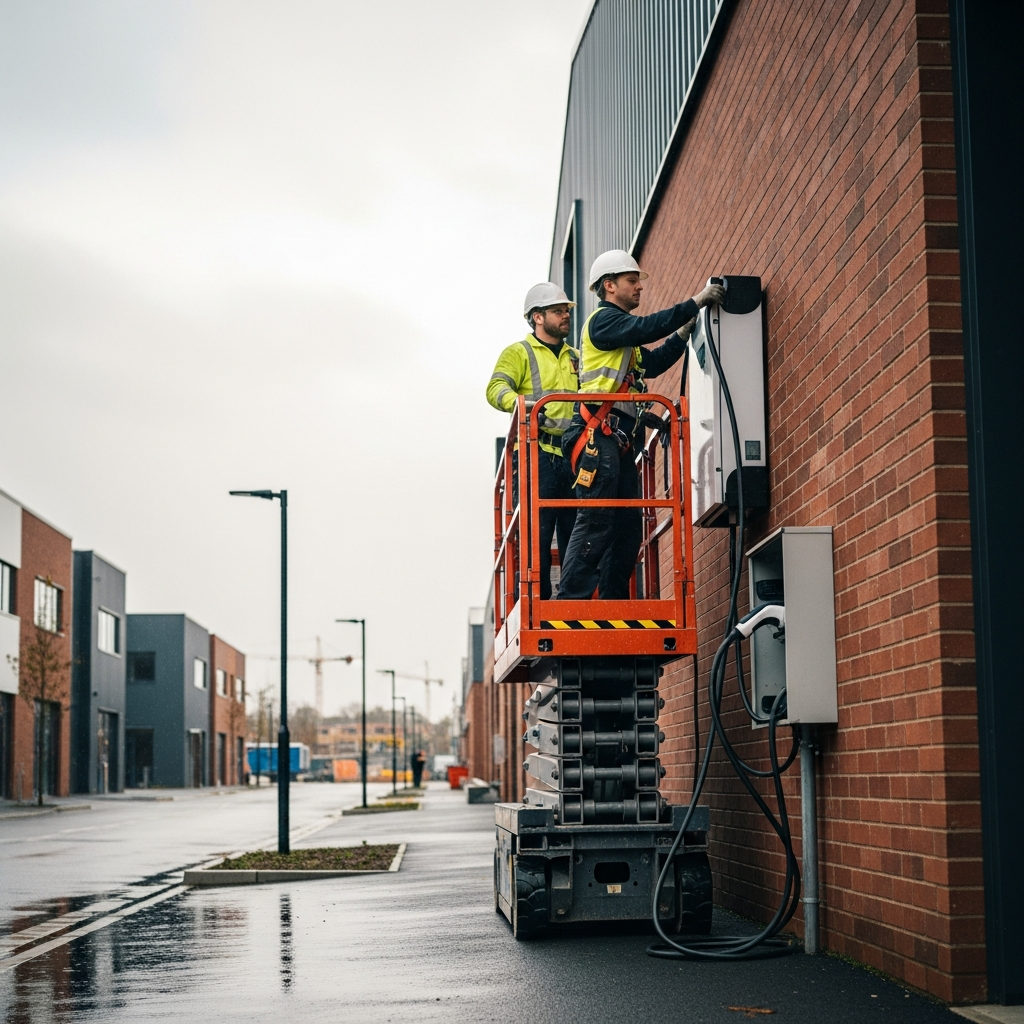
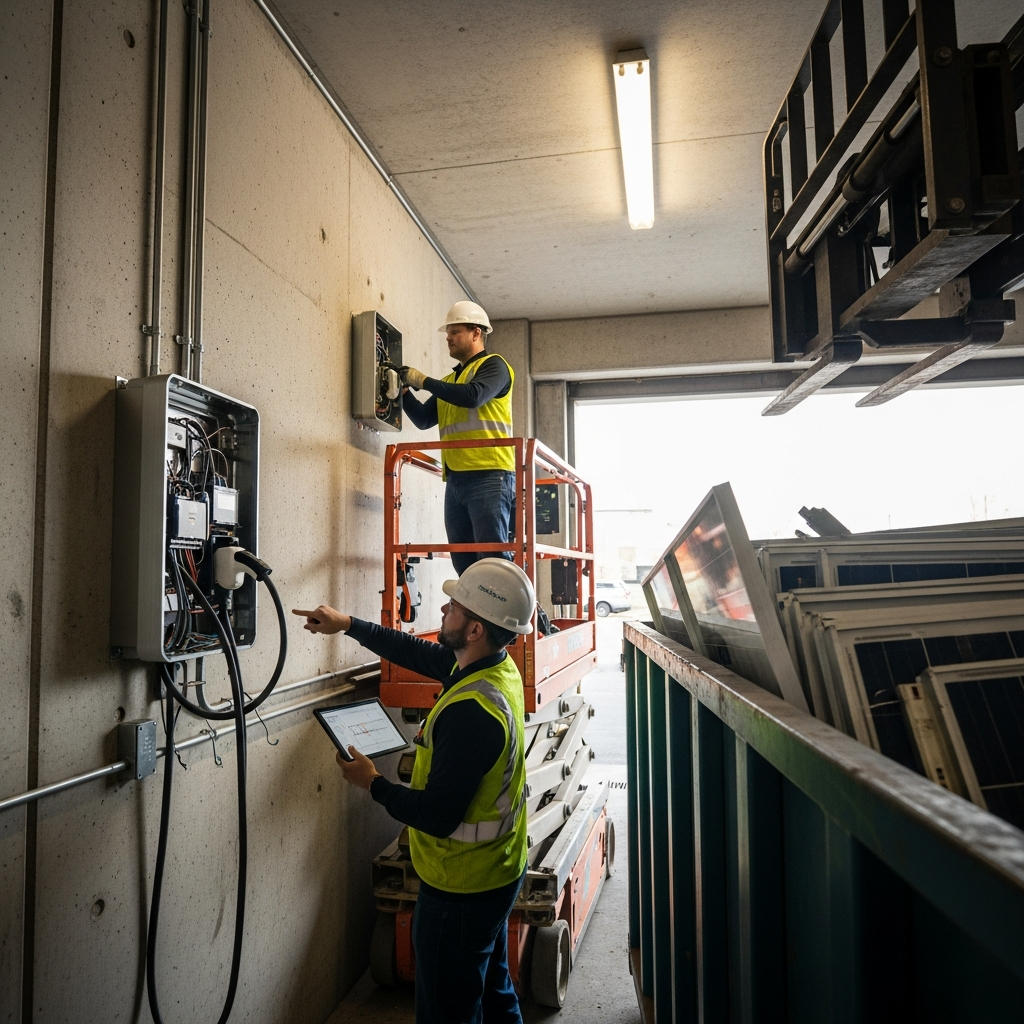
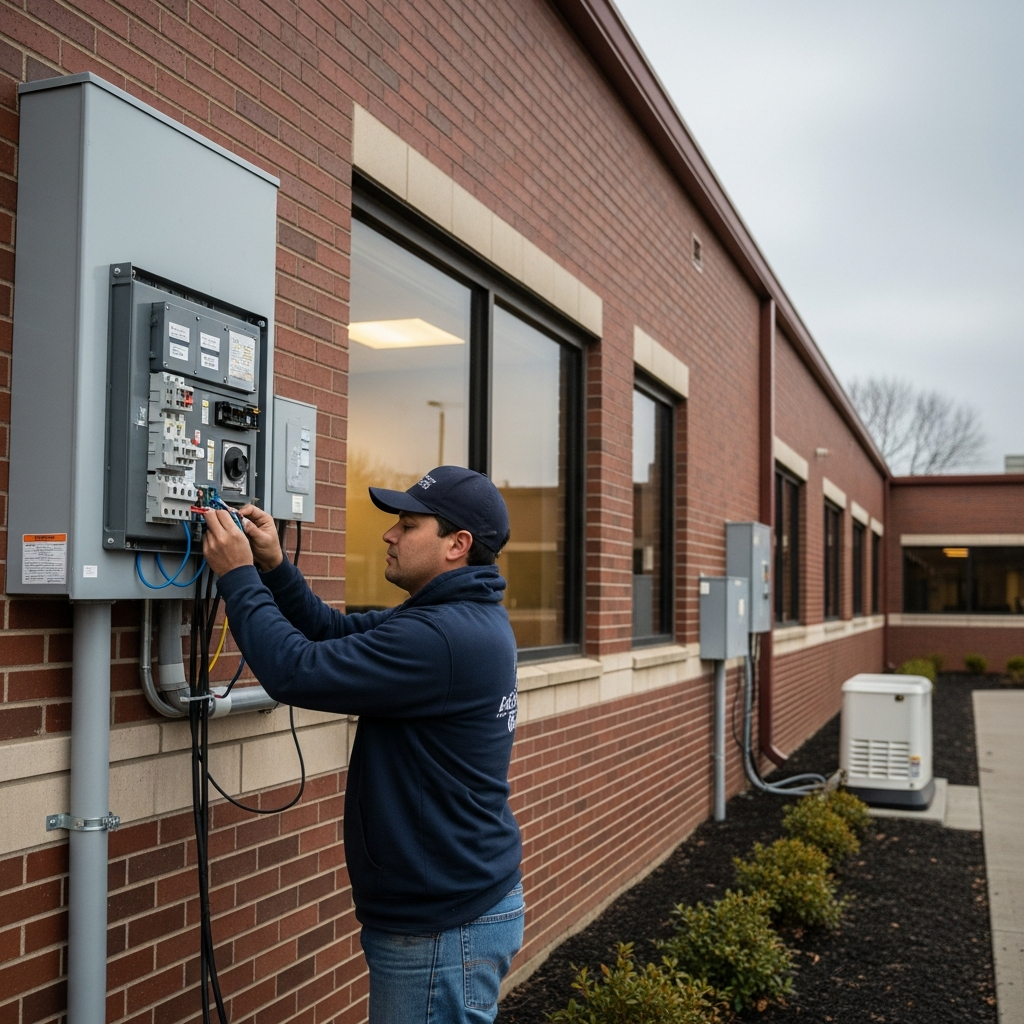
That’s where most of the trouble starts. A unit installed for a smaller operation may not carry the coolers, POS systems, lighting and HVAC a business runs now. Honestly, the generator itself is rarely the issue. It’s the planning around it. A proper [commercial generator installation](https://steelcityelectricfl.com/commercial-generator-installation/) starts with real load math, transfer switch sizing and circuit priority, not a guess based on the last building the contractor wired.
If your operation can’t afford a dark hour, get the install reviewed before storm season tests it for you. Waiting until the moment it’s needed is the worst time to find out it isn’t ready.
steelcityelectricfl.com/generator installation