The crew had been chasing a bad feeder for two days. Lights flickering in one section of a warehouse, a couple of receptacles dropping out, nothing showing up on the panel side. Meters looked fine. Breakers held. The owner was ready to start replacing gear that didn’t need replacing. Then someone finally said what nobody wanted to hear: pull up the slab and check the run.
Electrical fires happen when electricity arcs between wires or devices, igniting nearby flammable items. That’s the angle BGR, “This Tiny Plug-In Gadget Can Stop Electrical Fires Before They Start” takes, and while the article focuses on a plug-in sensor, the bigger point hits closer to home for commercial properties. Most arc faults don’t announce themselves. They build slow, especially in buried feeders nobody has eyes on.
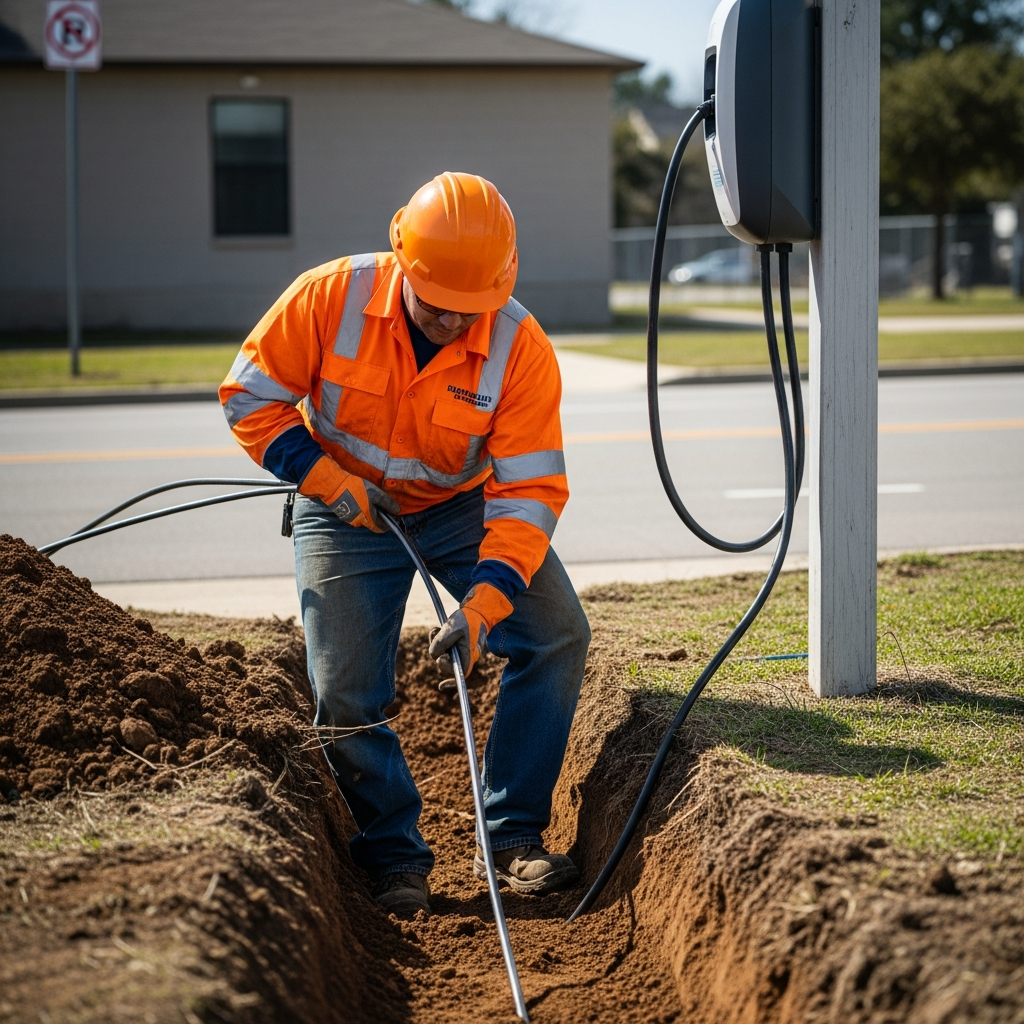
That’s the part of commercial underground electrical work people forget. Once the conduit is buried, you trust it. But moisture finds nicks in jackets, ground shifts, rodents chew through things, old direct-burial cable from a previous build can sit there degrading for years. By the time it shows up upstairs as a flicker, the damage underground is already past warranty.
Honest opinion: if your building is more than fifteen years old and nobody has ever pulled records on the underground runs, you’re guessing. Get the route mapped, check insulation resistance, and stop assuming the problem lives in the panel. Sometimes the fault is six feet under your parking lot, and chasing it indoors is just expensive theater.
steelcityelectricfl.com/underground electrical