Walk a jobsite the morning after a slab pour and there’s a strange calm. Trades milling around, tape measures out, framers eyeing layout marks. Everything looks fine. But somewhere in those wall cavities, decisions are about to get made that nobody will see again for years.
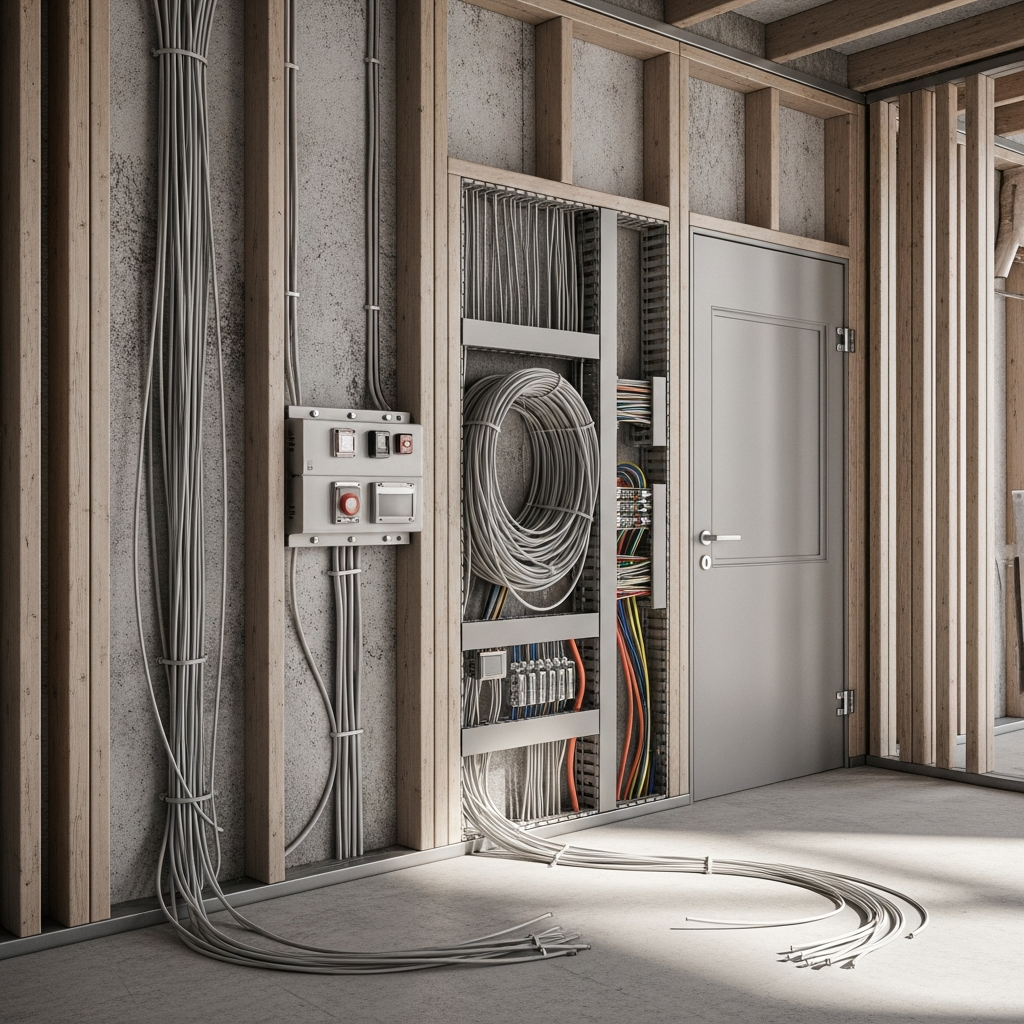
Concrete trucks rolled out a few days ago and now the real work starts underground and inside the walls. Rough-in week is the part most people never see, but it’s the part that decides whether the building actually works once tenants move in. Conduit paths, panel locations, feeder runs, low-voltage sleeves, the whole skeleton goes in before drywall ever gets hung.
What stands out in bgr.com, “This Tiny Plug-In Gadget Can Stop Electrical Fires Before They Start” is how quietly arc faults can build inside walls long before anyone smells smoke. That hits home on a commercial new construction project, because every splice, every staple, every conduit bend done in week one gets sealed up and forgotten by week ten. Sloppy rough-in is exactly how those small arc points start.
Honest opinion, the GC schedule is usually the enemy here. Framers want to move, mechanical wants their chase and electrical gets squeezed between both. We push back when we have to. Pulling a homerun through a stud bay you’ll never see again is not the moment to rush.
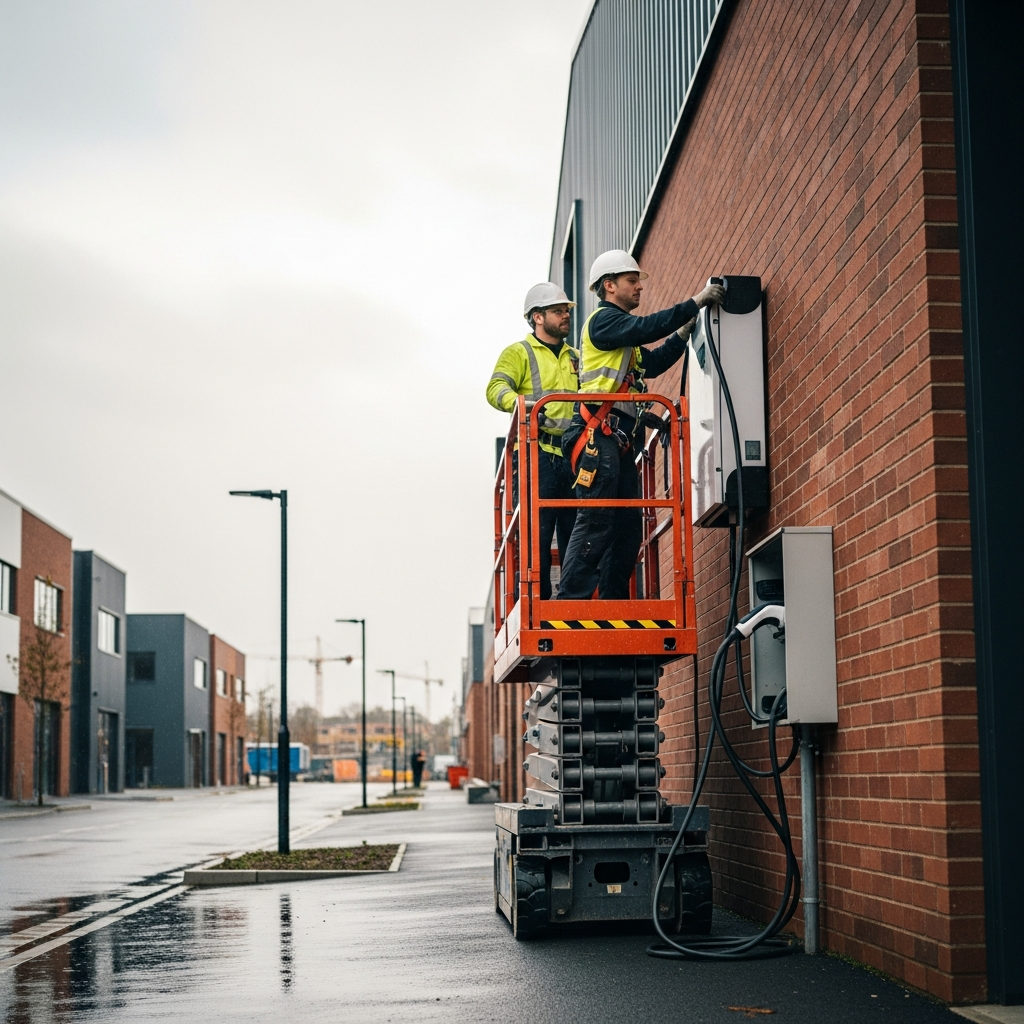
If your project is sizing up service capacity, planning future EV charger loads, or coordinating underground utility runs, get the electrical contractor in the room before the slab pour, not after. The cheapest fix is the one drawn on paper.
steelcityelectricfl.com/new construction electrical