The signs were there long before anyone called us out. Lights dimmed when the AC kicked on. Equipment reset at random. There was a low hum nobody could place. By the time the property manager picked up the phone, the underground feed running from the transformer to the building had been quietly degrading for the better part of a year.
Industry reports keep pointing to the same pressure point: aging service infrastructure is being pushed harder than it was built for. Publication, “Markets bleed at midday: Sensex down 1,053 points, banks lead losses as crude tops $115” reflects a similar kind of strain, where systems built for one level of demand start cracking under another. For commercial properties relying on stable power, the takeaway is immediate.
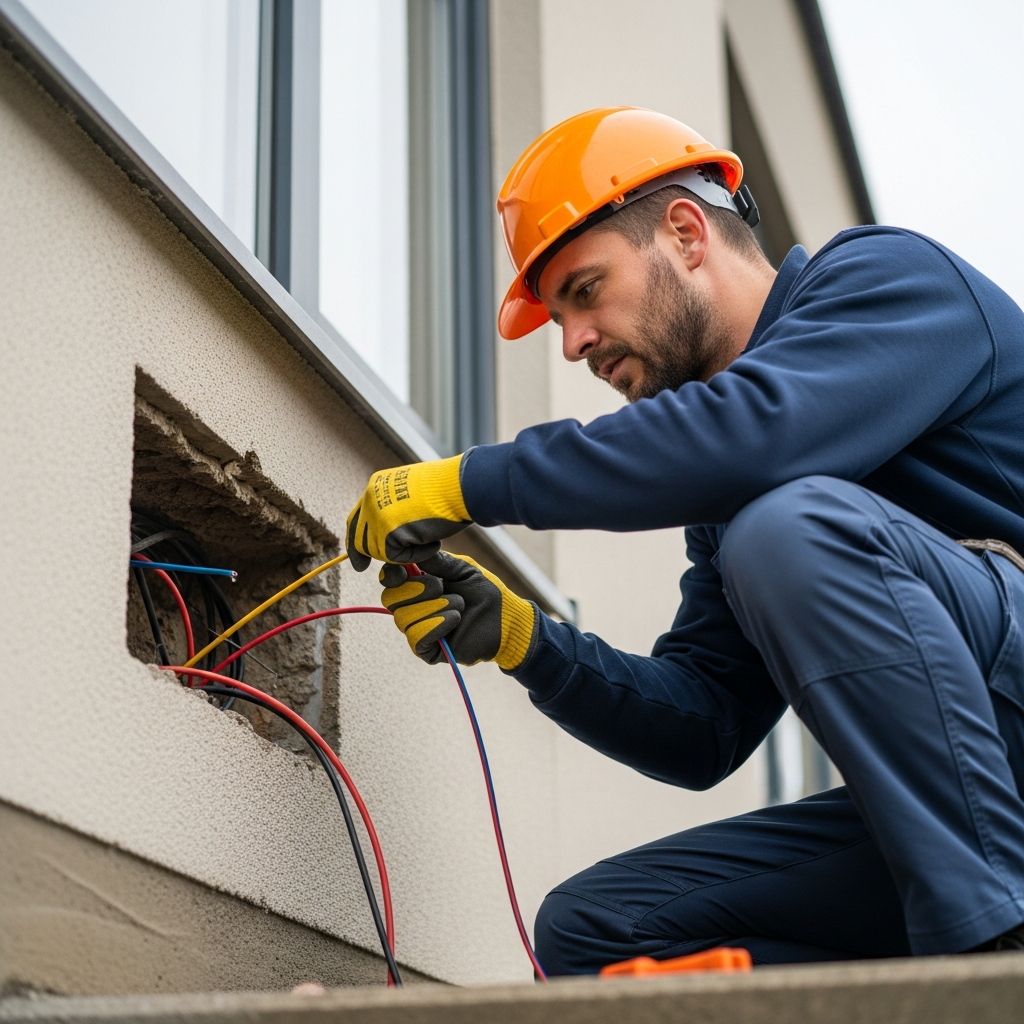
Underground feeders fail differently than overhead lines. You don’t see arcing or a downed wire. What you get is moisture intrusion at the splice, conduit that’s settled or cracked, insulation breaking down where the cable meets the riser. It’s slow. It’s hidden. By the time it shows up at the meter, the damage has been working on the system for months.
Our crews handle underground utility installation with directional boring, proper conduit depth and pull boxes that actually stay accessible after the asphalt goes back down. If your building runs on aging underground service, get it scoped before the next outage forces the conversation. The repair bill always costs more than the inspection.
steelcityelectricfl.com/underground electrical