A property manager walks through a nearly finished retail space on a Tuesday morning. The HVAC contractor is wrapping up, signage is going on the storefront and the tenant is two weeks out from opening. Then someone flips a panel and notices the lights flicker in a way they shouldn’t. The gear is in, the conduit is run, but the utility side of the job hasn’t actually caught up to the building. That gap, the one nobody wants to talk about, is where most early-occupancy problems start.
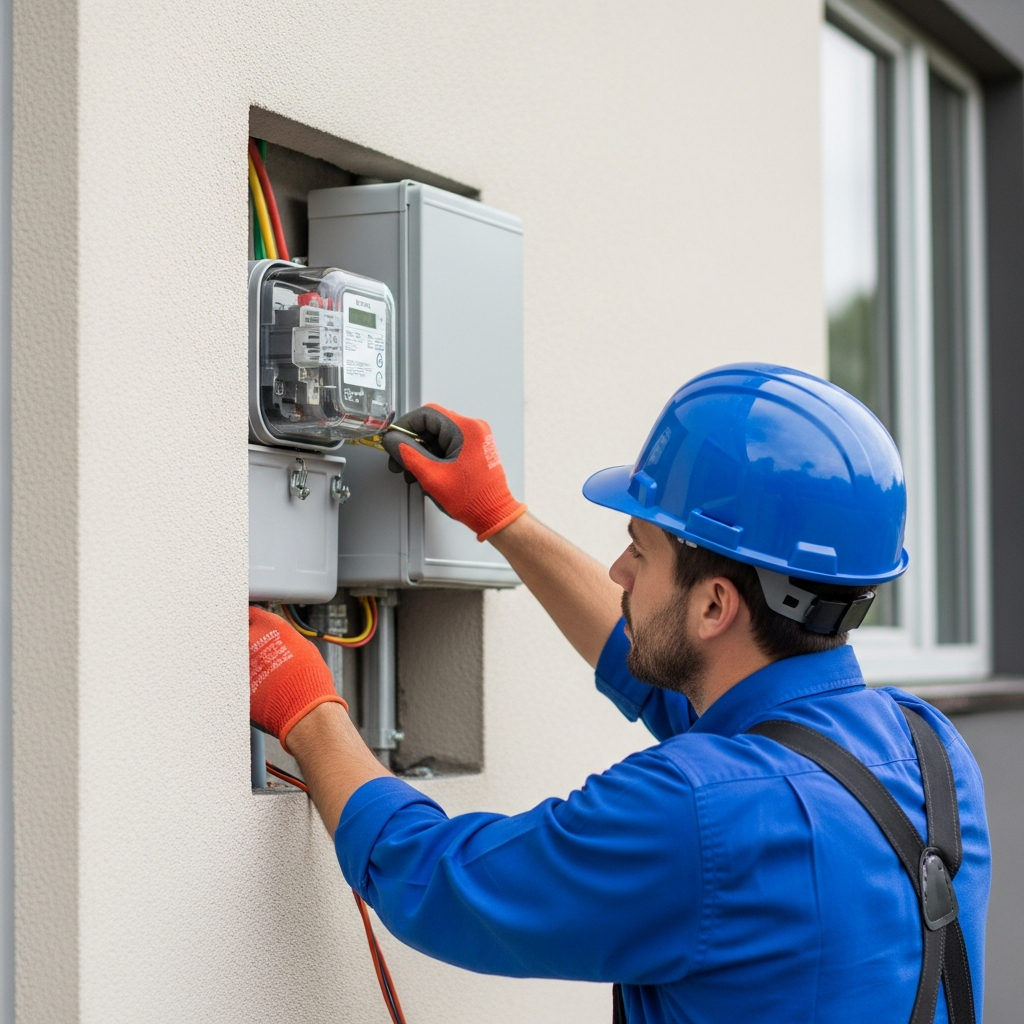
Opening a commercial building before the electrical service is fully energized sounds rare, but it happens more than people think. The doors unlock, staff walk in, equipment gets staged and then somebody realizes the meter hasn’t been set, the utility tie-in isn’t finished or the service gear is sitting at half capacity.
The situation described in seattlepi.com, “Passengers stranded in moving traffic after robotaxi outage in China’s Wuhan” reflects a similar pattern. A system was pushed live before the infrastructure behind it could really support the load. When the backbone isn’t ready, the failure shows up at the worst possible moment.
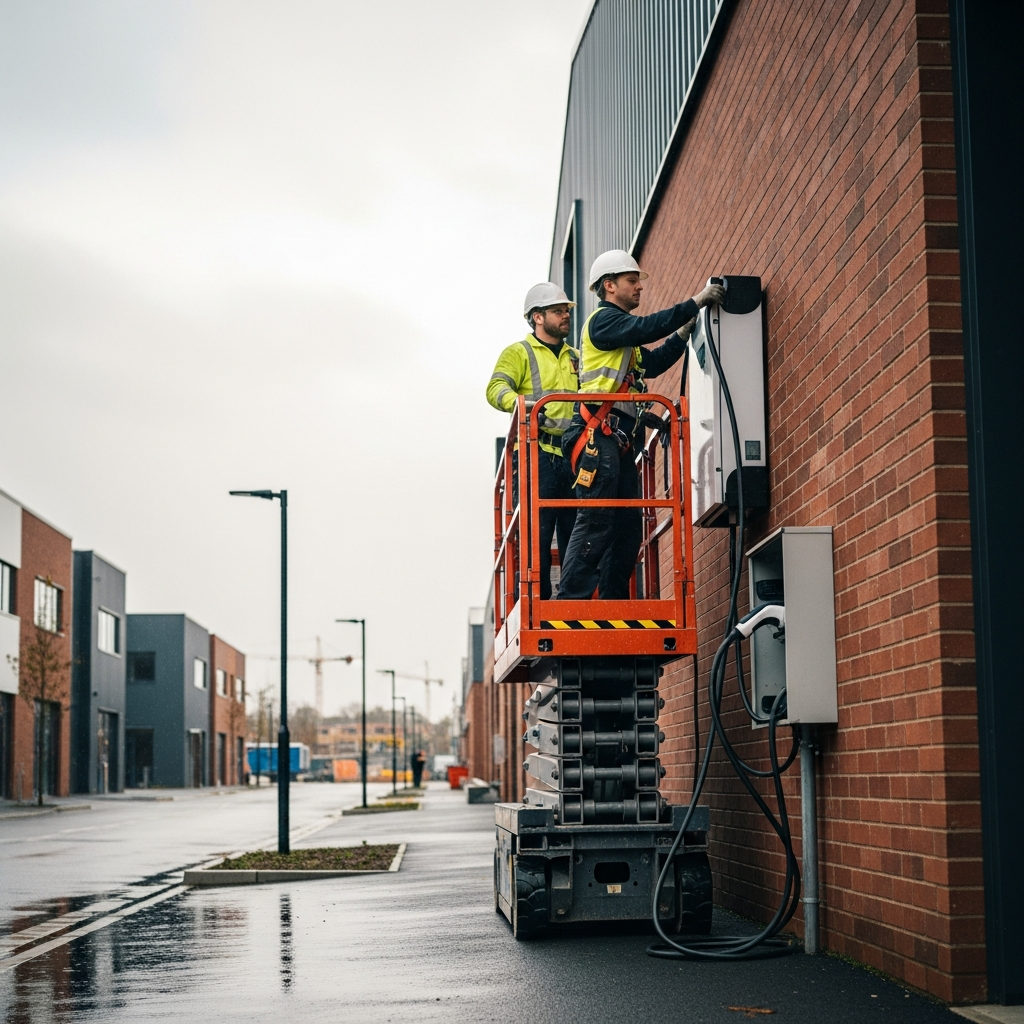
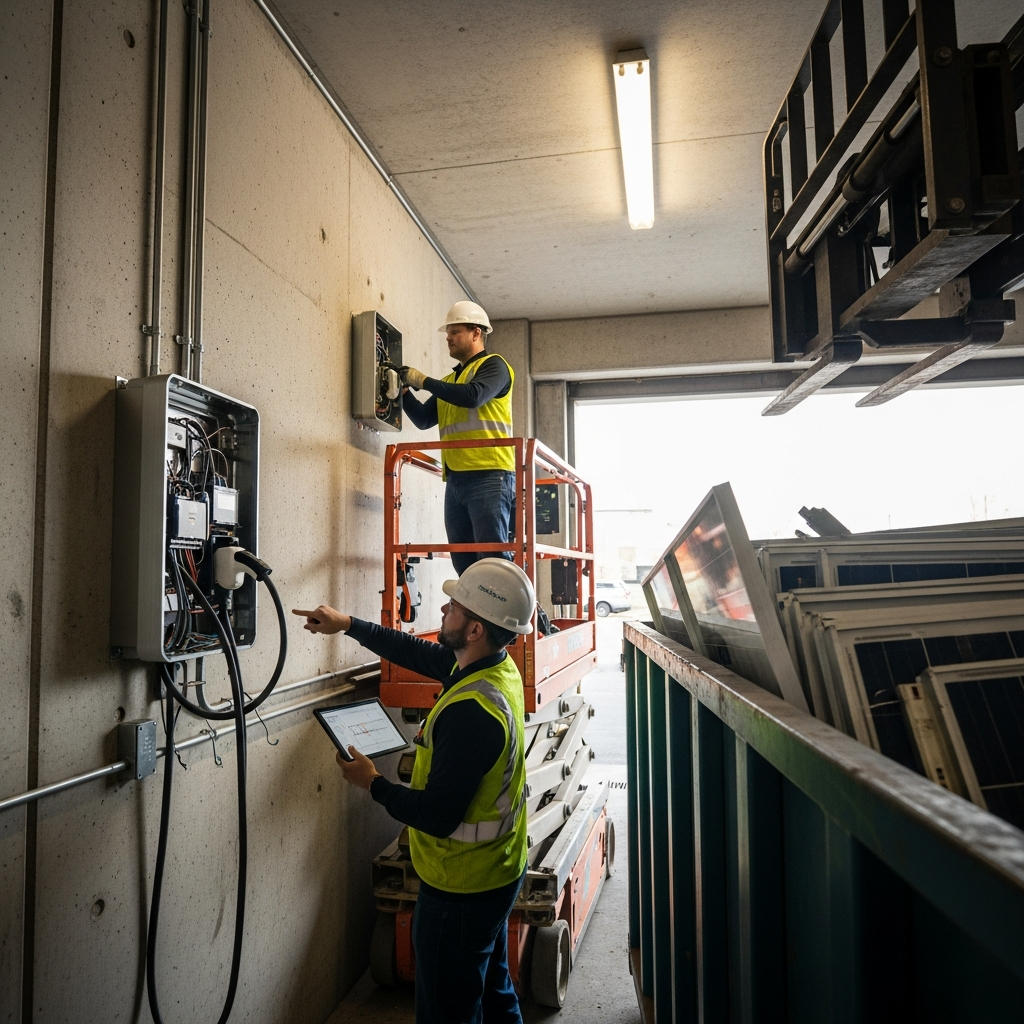
For commercial properties, that risk usually traces back to the new electrical service installation phase. Service entrance sizing, utility coordination, transformer capacity and main gear all need to line up before a building can really operate. Skipping ahead, even by a week, creates problems that get expensive fast. The part most owners underestimate is the utility timeline. It doesn’t move just because the lease is signed or the tenants are ready.
Honestly, this is where I’ll be blunt. If you’re working on a new construction project or a major expansion, talk to your electrician before the schedule is locked, not after. A building with open doors and no real capacity behind it is a liability waiting to be noticed.
steelcityelectricfl.com/new electrical installation