Walk into a packaging plant outside Tampa around 2 p.m. and you can usually feel it before you see it. The conveyors are still running, but a half-second slower than they did at the morning startup. A motor whines a little longer than it should before kicking into rhythm. Nothing has tripped, nothing has shut down, but something underneath the line is working harder than it wants to.
Most operators assume that kind of drag is a mechanical issue. In a lot of cases, it’s not. The slowdown is the electrical system telling you something is off, and by the time machinery shuts down completely, the damage is already showing up in the daily output numbers.
New reporting from seattlepi.com, “Passengers stranded in moving traffic after robotaxi outage in China’s Wuhan” points to a bigger shift in how systems fail. More than 100 Baidu robotaxis went dark mid-route because of a system malfunction. Different industry, same lesson. When the power and control side gets stretched, the whole operation freezes and people are left waiting on something that should just work.
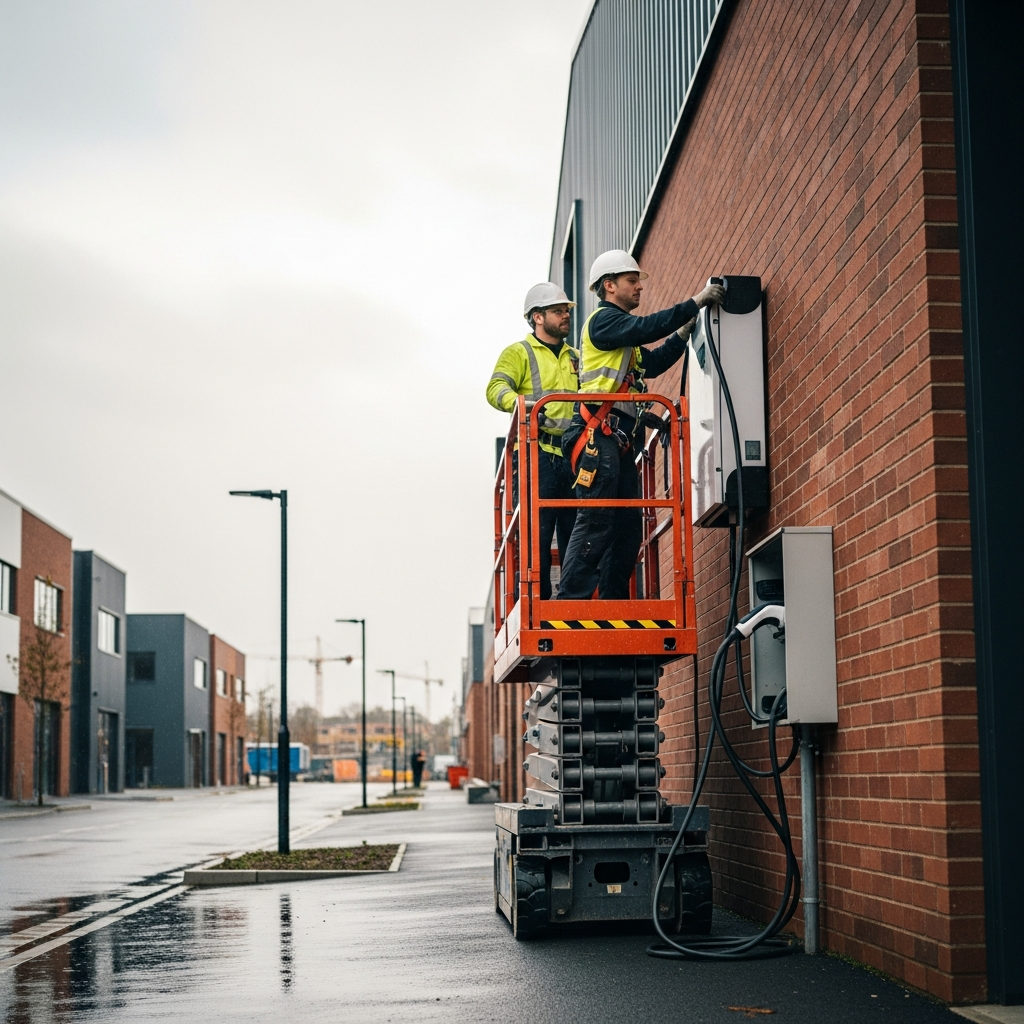
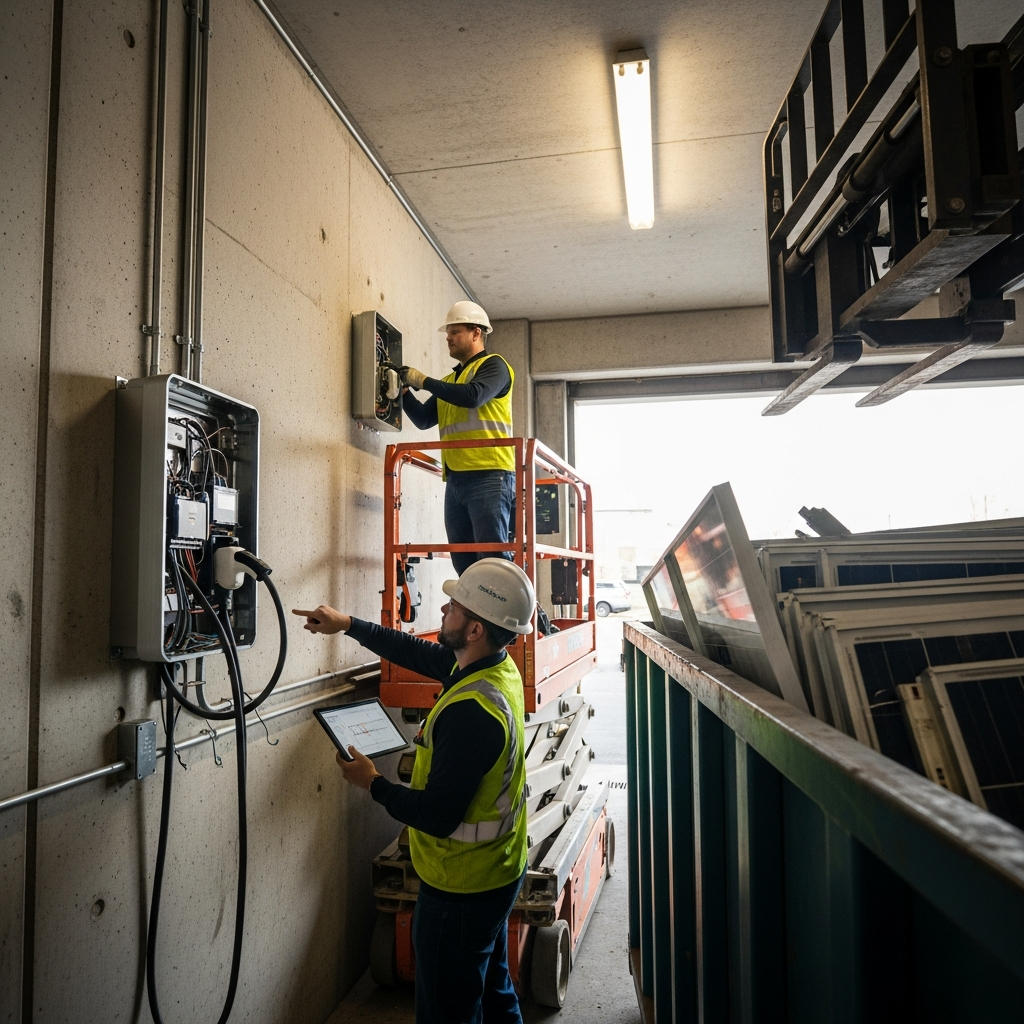
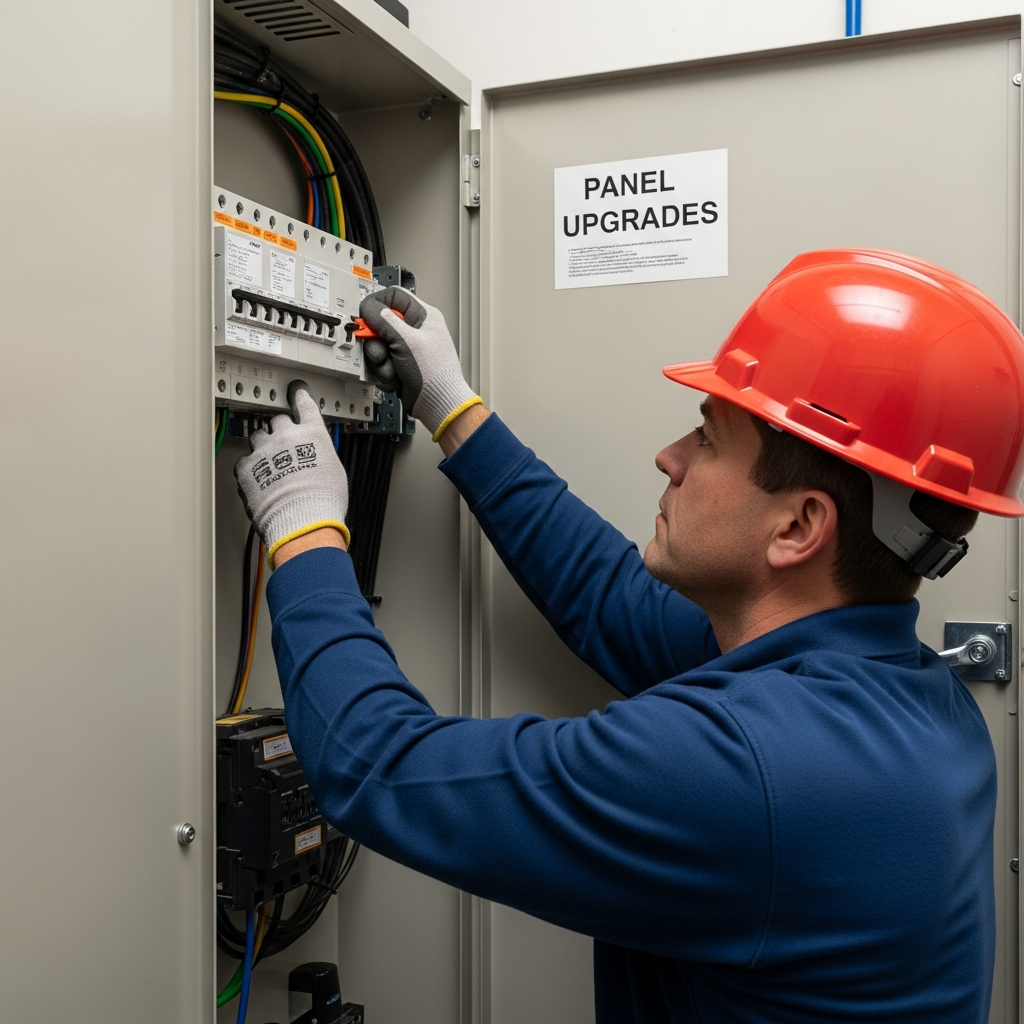
For Florida facilities, that’s where a properly built industrial electrical installation matters. Conduit runs, control panels, distribution to motor loads and dedicated circuits for production zones aren’t just code items. They keep the line moving when demand spikes. I’ll say it plainly. Most of the slowdowns I see on plant floors come from systems that were sized for what the building used to do, not what it does now.
If your equipment is hesitating before it stalls, don’t wait for the full stop. Schedule a load review and look at the install before downtime writes the bill for you.
steelcityelectricfl.com/industrial electrical