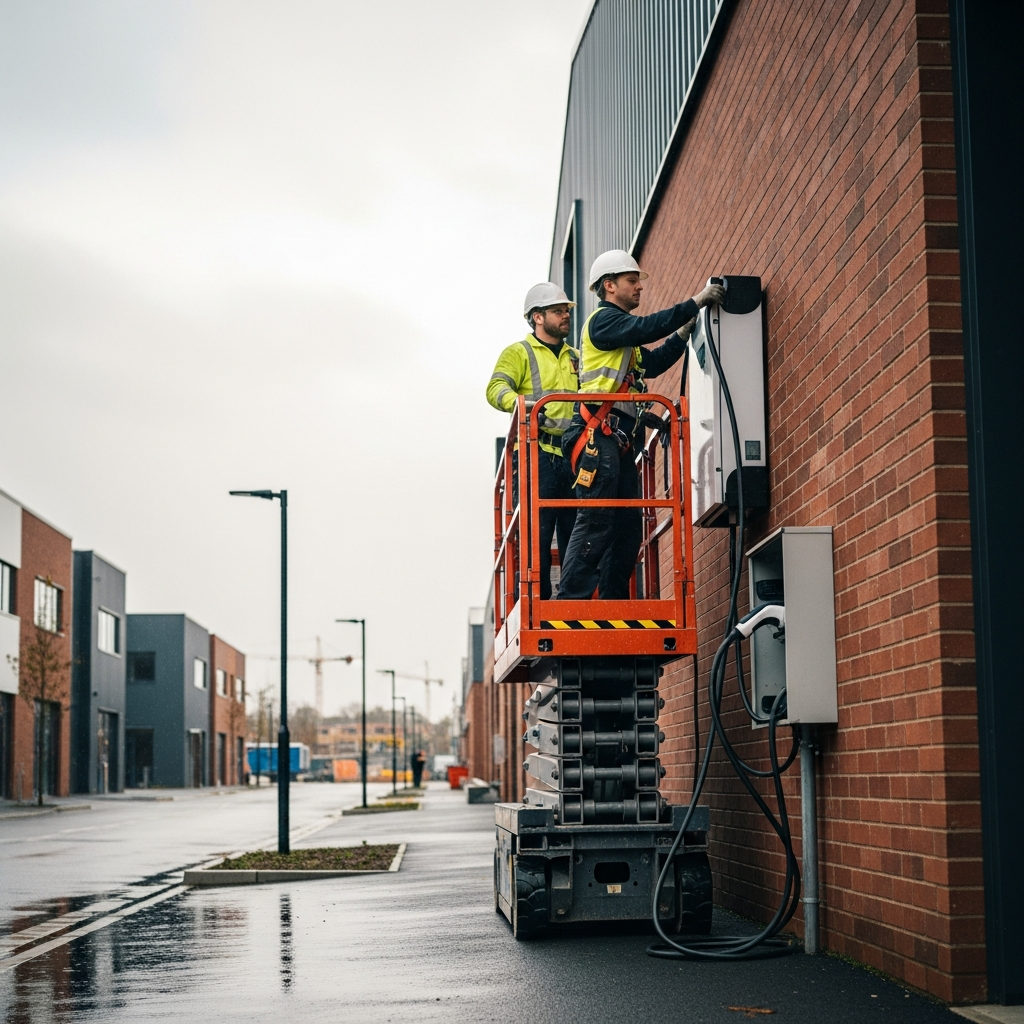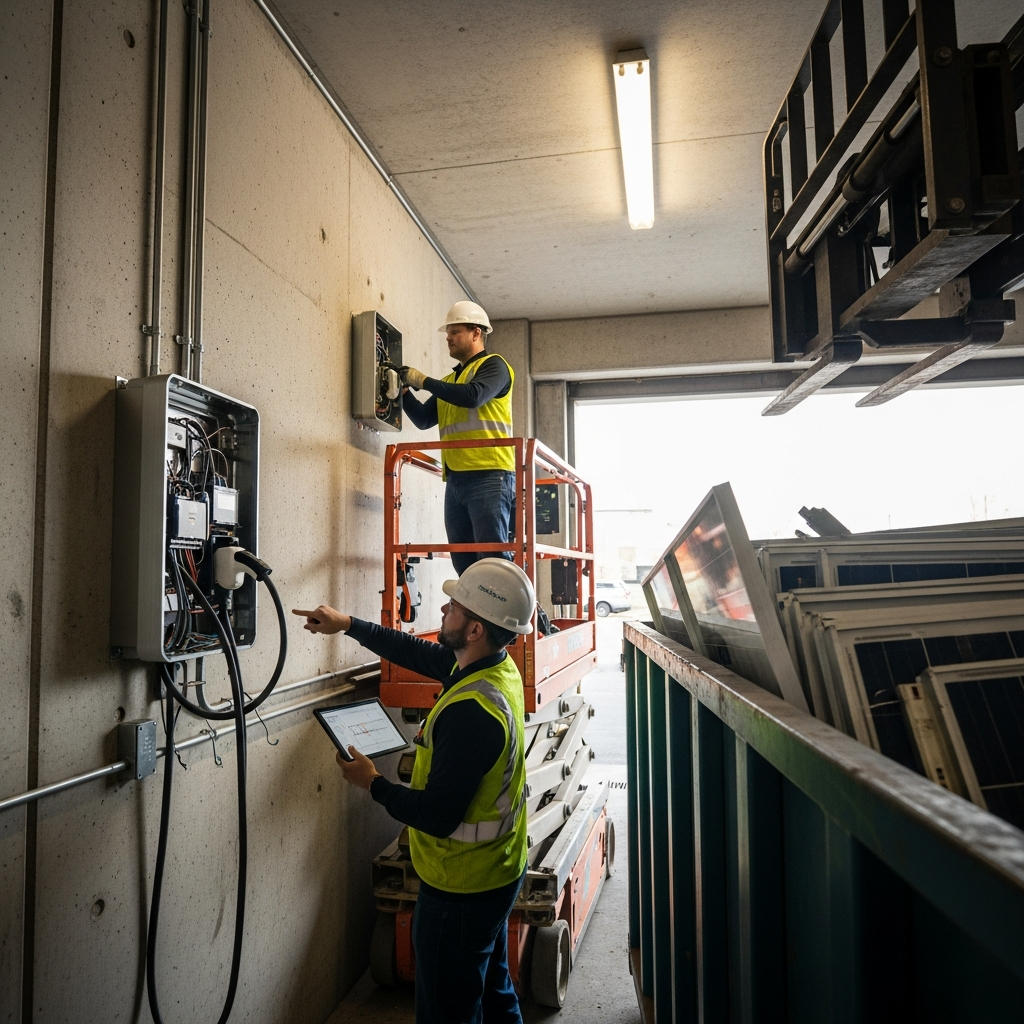
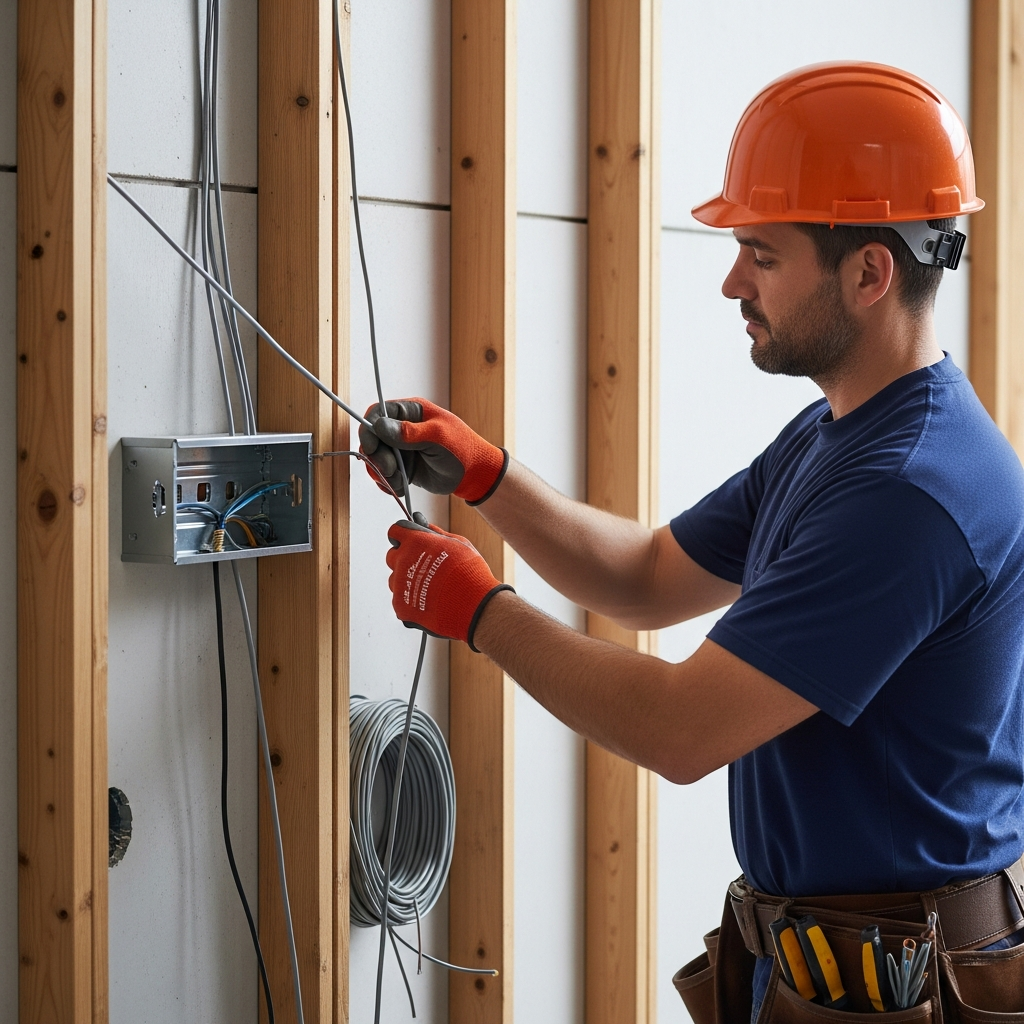
Walk onto a mid-rise jobsite on a Friday afternoon. Framing is wrapped, the walls are open, conduit is being pulled, and the schedule has the next trades showing up Monday morning. Everything looks on track. Then someone plugs in a second lift and the temp power dips. A breaker trips. Somebody mentions the utility hasn’t called back about the service date. Small things, but they start to stack.
What happens when a system everyone assumed was reliable just stops? That’s the concern raised by seattlepi.com, “Passengers stranded in moving traffic after robotaxi outage in China’s Wuhan”. A fleet of robotaxis froze mid-traffic because of a backend failure, and while that’s a transportation story on the surface, the parallel for a commercial new construction site is hard to miss. When the power plan isn’t built around the actual sequencing of the build, the whole job stalls the same way.
Honestly, the part that frustrates me most is when temp power gets treated like an afterthought. It shouldn’t be. Rough-in needs real coordination between the GC, the utility and whoever is handling the service entry. If that handoff is sloppy, you’ll feel it in week three when drywall is waiting on inspection and nobody can run a lift.
The fix isn’t complicated but it has to happen early. Map the load before rough-in, not during. Confirm the underground utility path is locked in. Get the inspection windows on the calendar before the framers even leave. A build doesn’t usually stall because the electrical was hard. It stalls because the planning got rushed.
Plan the power first, or pay for the delay later.
steelcityelectricfl.com/new construction electrical