A project manager walks the third floor of a half-built medical office in Lakewood Ranch on a Tuesday morning. The drywall crew is two days out. Everything looks on track. Then his phone buzzes with a marked-up PDF from the GC, and the back exam rooms have been reconfigured overnight.
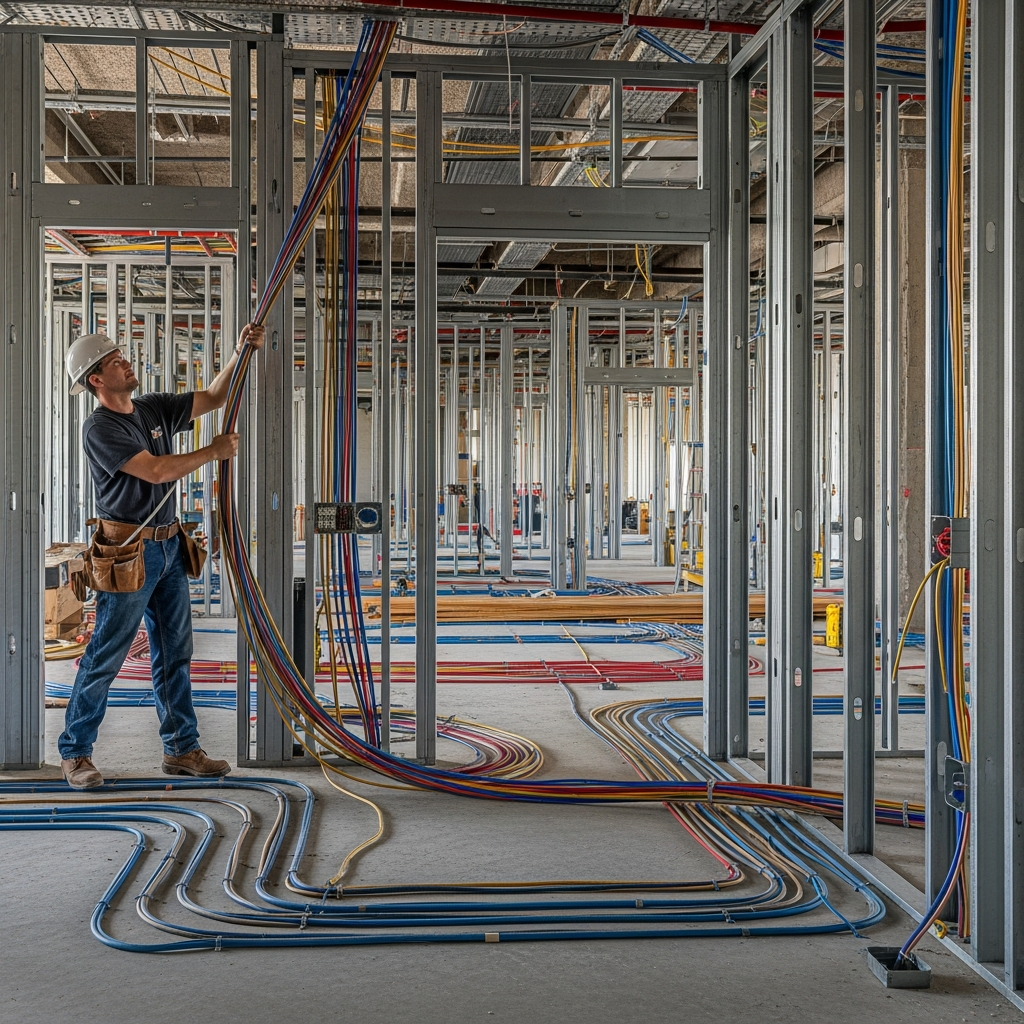
That’s rough-in. Everything looks like it’s moving along fine, until a tenant changes their mind or the GC hands you a revised set of prints at 7 a.m. Suddenly the conduit you ran yesterday is in the wrong wall, the panel location shifted six feet, and three new circuits showed up out of nowhere. That’s the reality of commercial new construction work in Florida right now. Scope creep is part of the job. Late-stage scope creep eats schedules alive.
The takeaway from cnet.com, “The Waggle Pet Temperature Sensor Dropped to Its Lowest Price Ever For Amazon’s Spring Sale” isn’t really about pets. It’s about how fast small decisions ripple outward. That same idea hits harder on a job site when a single layout change forces wiring, conduit and load planning to be reworked overnight.
Honestly, the crews that handle these pivots best are the ones who plan rough-in with a little slack built in. Extra capacity at the service entrance, a few spare conduit stubs, smart routing around future tenant zones. None of that is glamorous. But when the scope changes at midnight, that’s what saves the schedule.
If you’re building in Manatee, Sarasota or Hillsborough and you’d rather not gamble on a tight rough-in plan, get a contractor in early. Late changes are cheaper when the wiring strategy was never rigid in the first place.
steelcityelectricfl.com/new construction electrical