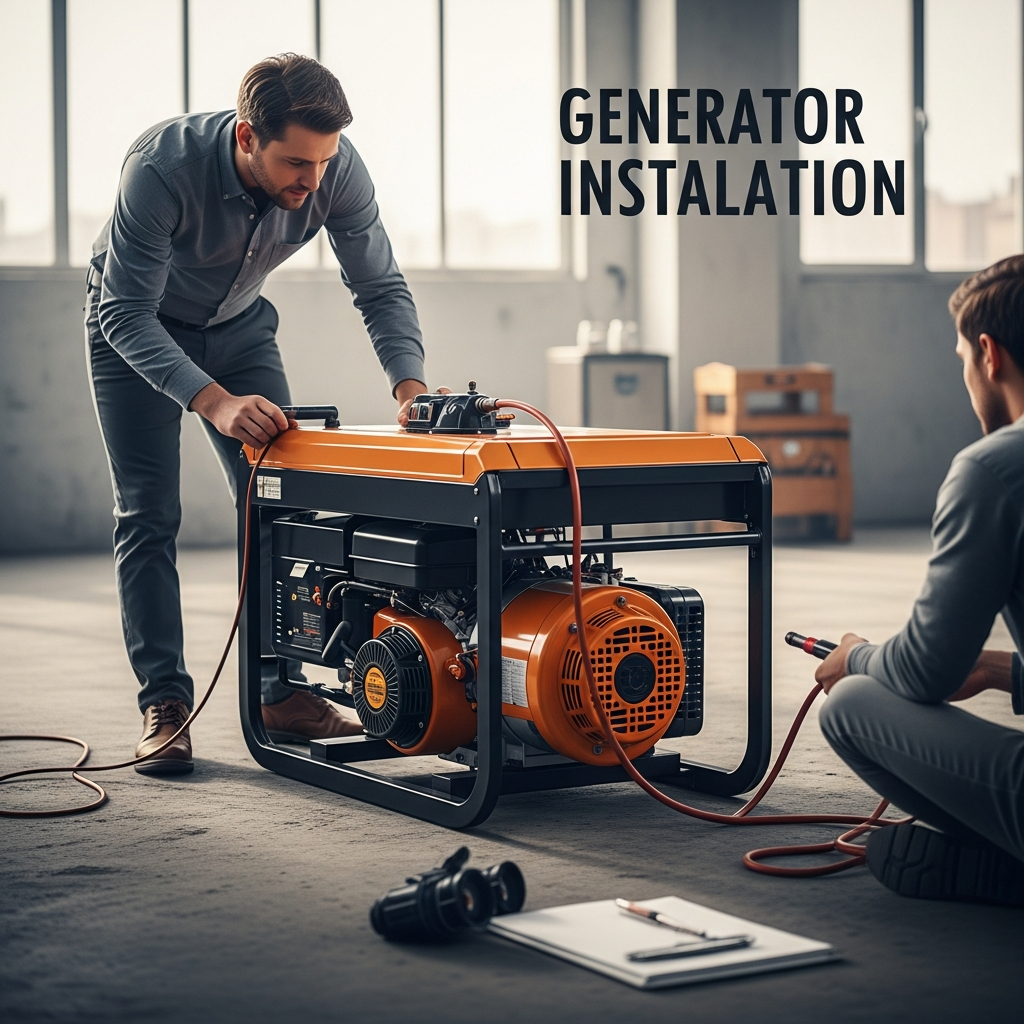
Picture a medical office in Sarasota losing power on a Tuesday afternoon. The standby unit out back hums for a second, then quits on itself. That’s the call we get more often than you’d think. The generator was installed. It looked fine. It just wasn’t ready to carry the building when the moment came.
The takeaway from cnet.com, “The Waggle Pet Temperature Sensor Dropped to Its Lowest Price Ever For Amazon’s Spring Sale” isn’t really about pet sensors. It’s about how people assume a piece of equipment is doing its job in the background until something forces it to prove itself. Same logic applies to backup power.
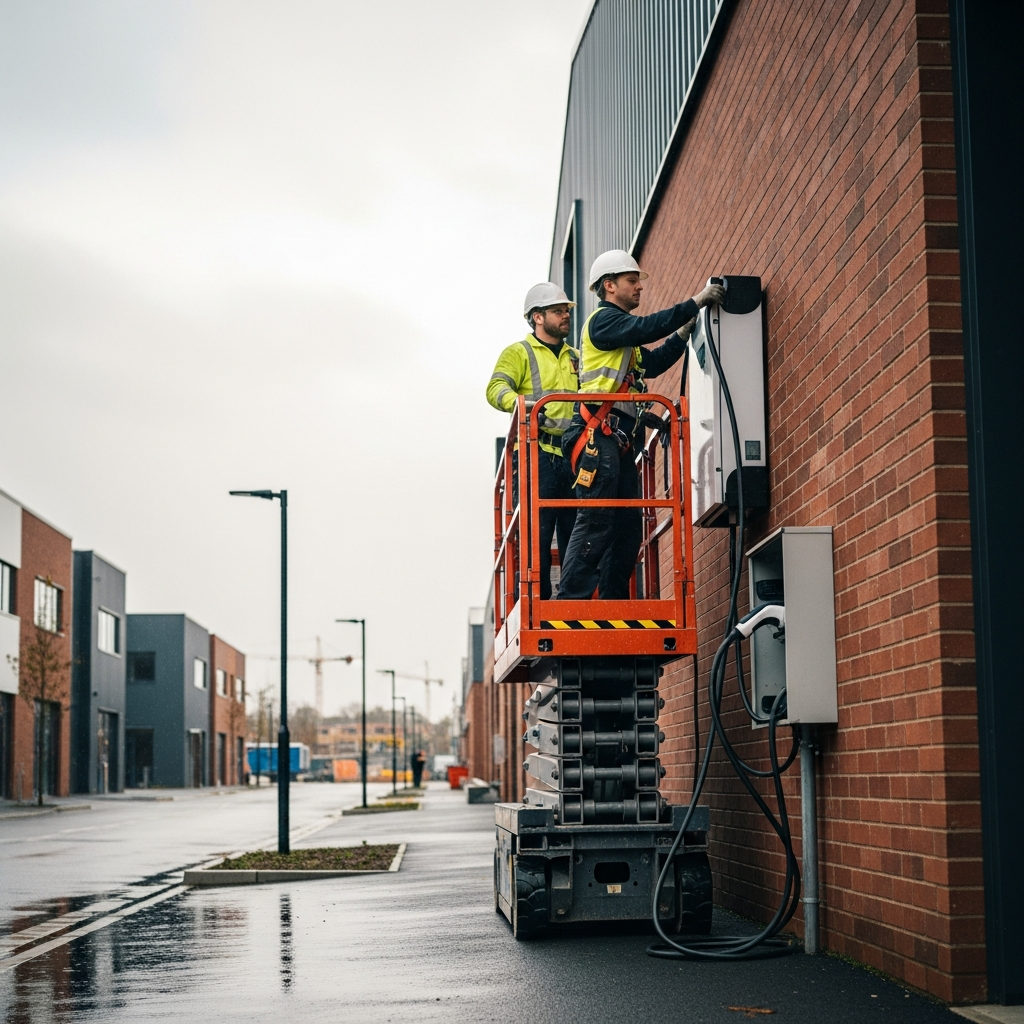
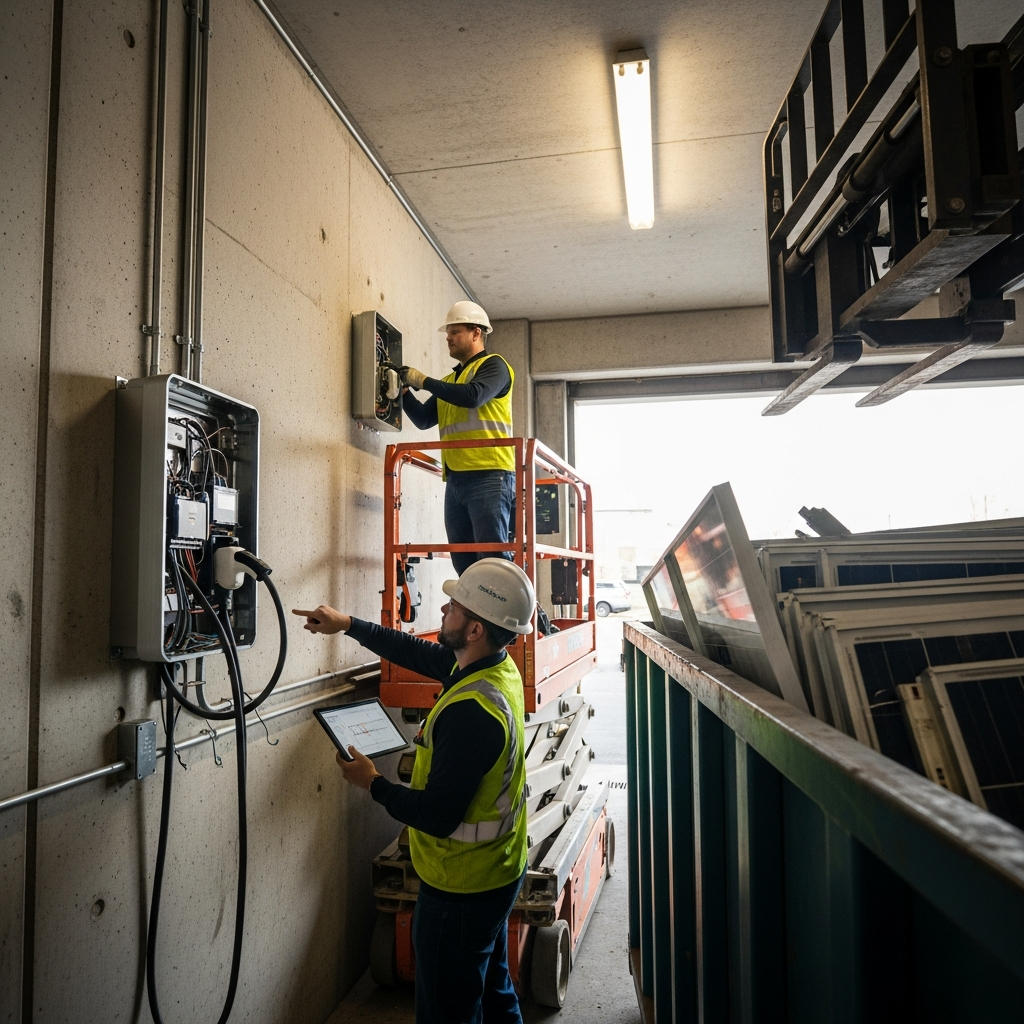
The part most owners get wrong is load planning. A commercial generator installation isn’t just dropping a unit on a pad and tying it in. It’s sizing the thing for what the building actually pulls during a real outage, not what the nameplate says on a quiet day. New refrigeration, extra server racks, an added EV charger, sometimes a panel upgrade the previous owner skipped. All of it changes the math.
Transfer switches need testing. Fuel needs to be fresh. Batteries die quietly. If nobody’s run the thing under load in two years, you don’t have a backup plan. You have a decoration.
Test it before you need it.
steelcityelectricfl.com/generator installation