A tenant pulled into the lot one evening, looked around for an outlet near his space, and didn’t find one. He asked the property manager where to plug in his new EV. A reasonable question, except nobody had a real answer. Then another tenant asked the same thing a week later. By the third request, the property manager realized the lot wasn’t close to ready for that kind of demand, and the conversation shifted from “maybe someday” to “we need a plan now.”
The takeaway from Power Grid Model Input/Output, “power-grid-model-io 1.3.67” is not just about modeling tools. It points to something every commercial property is dealing with: load planning has gotten more complicated and parking lots are now part of the electrical conversation.
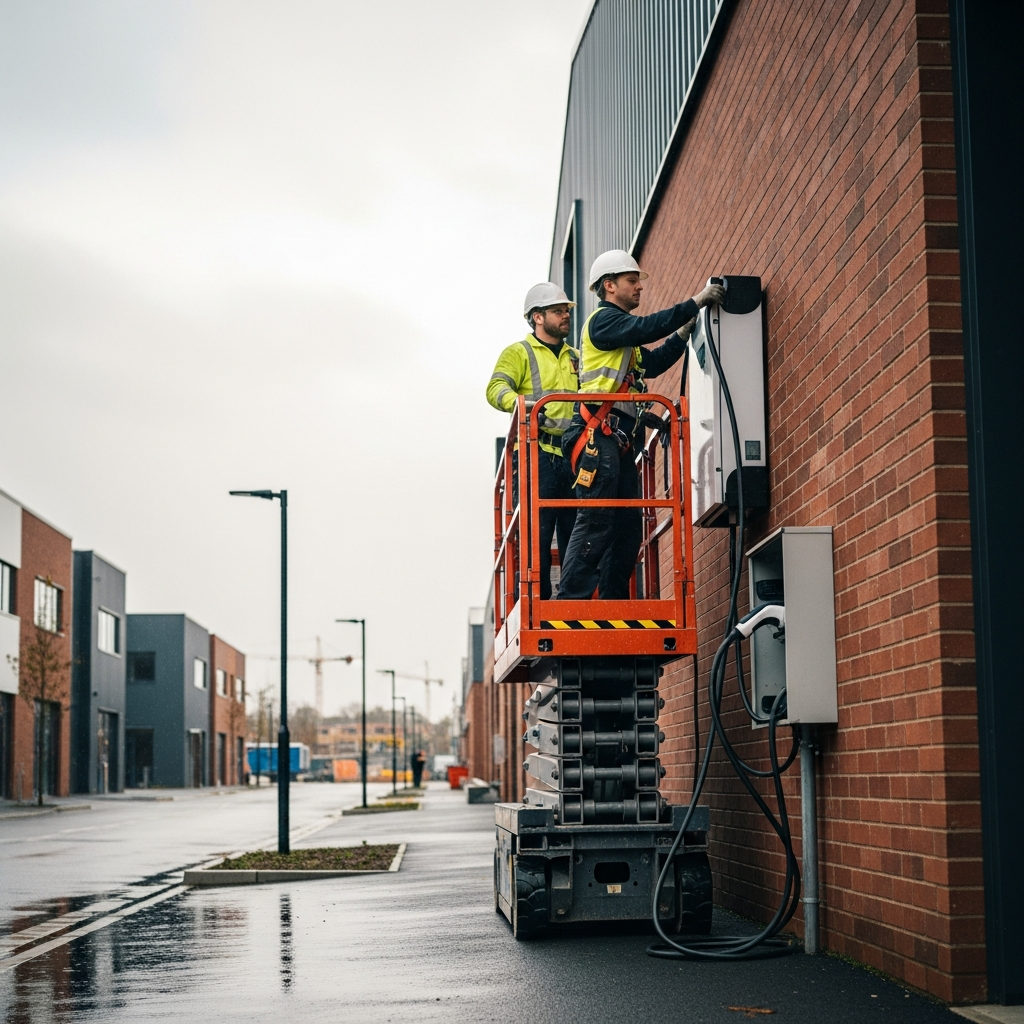
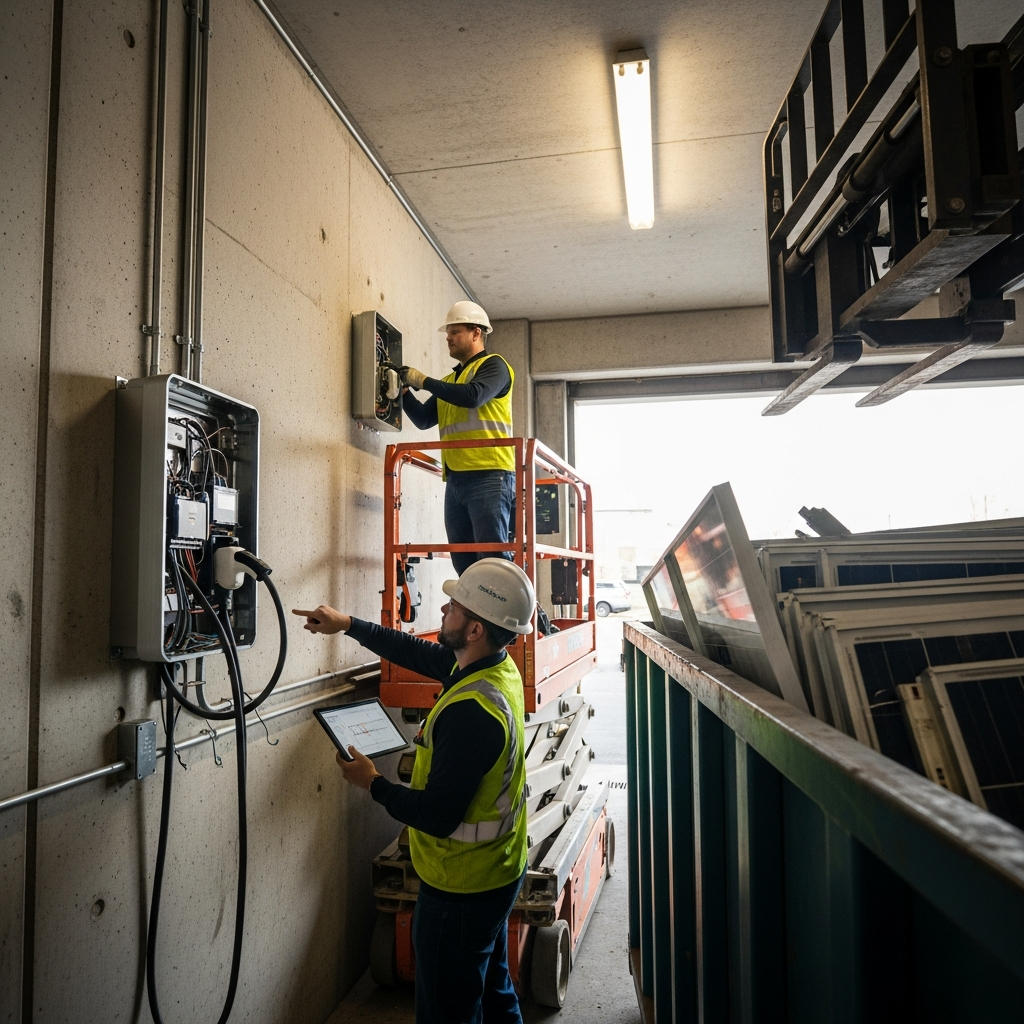
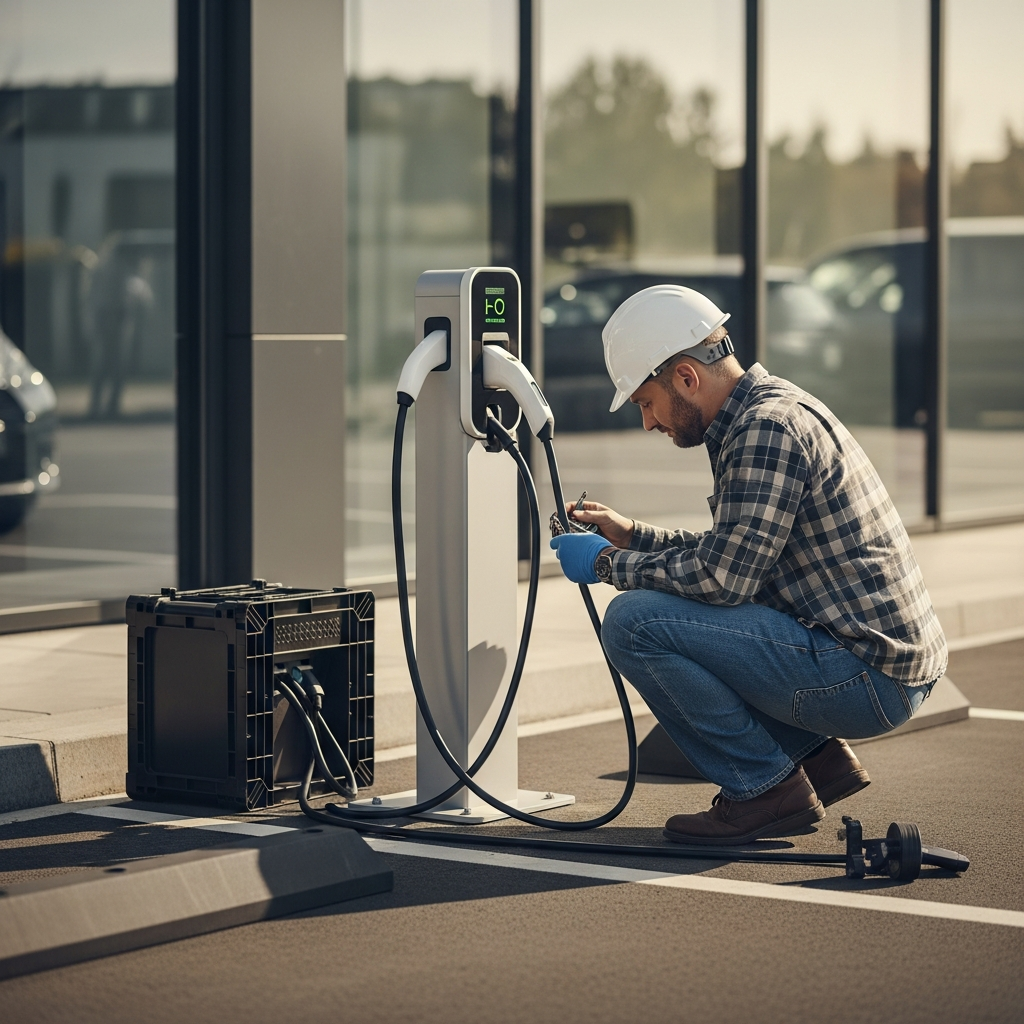
Honestly, most older commercial buildings weren’t built with EV charging in mind. The service capacity is fine for lights, HVAC and tenant equipment, but adding four or six Level 2 chargers, or worse, a DC fast charger, changes the math fast. That’s where a real commercial EV charger installation plan matters. You’re looking at conduit runs across the lot, load calculations, sometimes a service upgrade and coordination with the utility.
My opinion? Property owners who wait until tenants demand chargers end up paying more than the ones who plan it during their next panel upgrade or underground utility work. Bundle the trenching, size the gear once and you’re set for years.
If tenants are already asking, the lot is already behind. Get the load study done before you promise anything.
steelcityelectricfl.com/EV charger installation