A property manager walked the back lot on a Tuesday afternoon, half paying attention, until he noticed the generator hadn’t kicked on during the short outage that morning. The breaker room was quiet again. Lights were back. Everything looked fine on the surface. But the unit out back hadn’t moved a muscle when it was supposed to, and nobody could remember the last time it actually ran under load.
Most owners don’t find out their backup plan failed until the lights are already off. The unit sat outside the building for years, tested maybe once, painted a nice beige, and everyone assumed it would do its job when the grid finally blinked. It didn’t. The transfer switch never engaged, the coolers warmed up, the registers went quiet, and a Friday night turned into a small disaster.
The takeaway from Power Grid Model Input/Output, “power-grid-model-io 1.3.67” is not just about grid modeling tools. It’s about what happens when commercial electrical systems are pushed beyond what they were built to handle and the backup layer never gets the attention it needs.
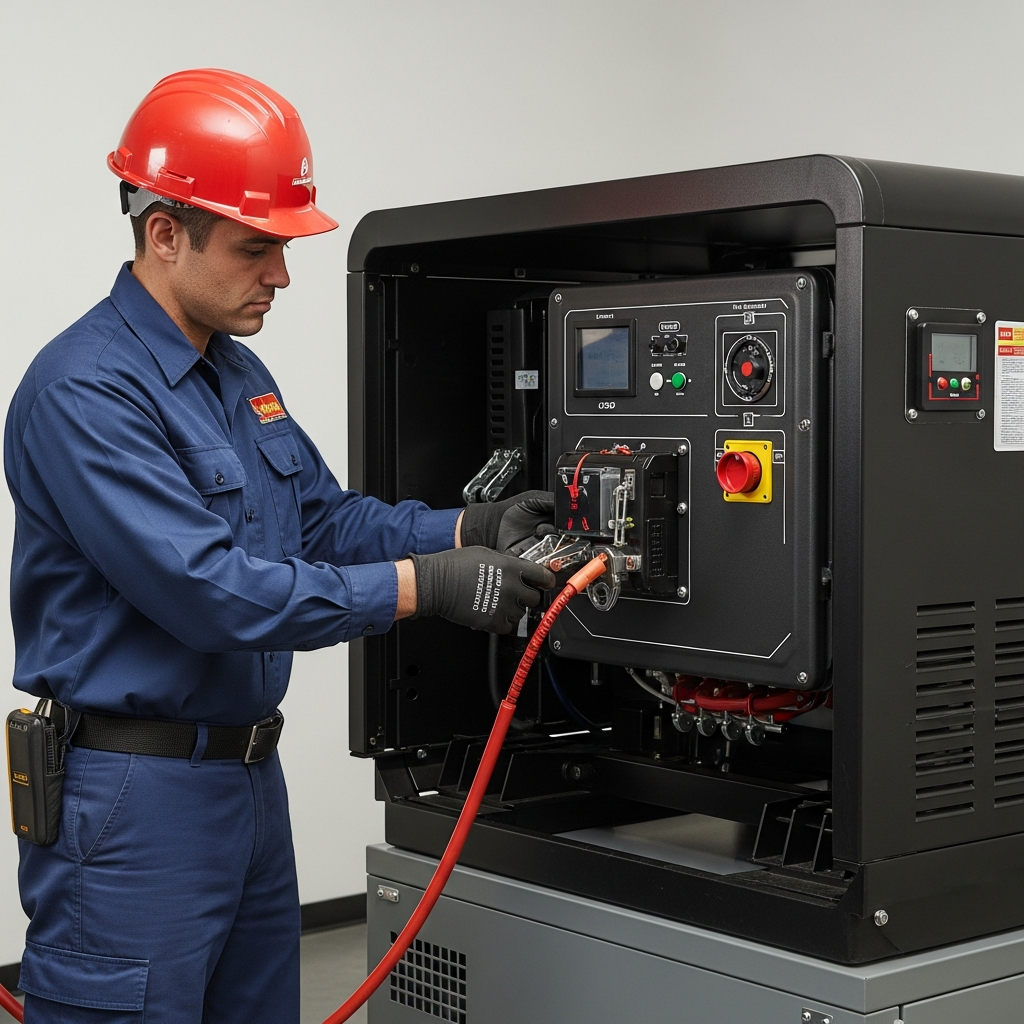
Honestly, this is the part of commercial generator installation that gets skipped the most. A generator is not a finished product the day it’s bolted down. It needs proper load calculations, a working ATS, fuel that hasn’t gelled and a real exercise schedule. We’ve walked into restaurants, medical offices and warehouses across Manatee and Sarasota where the generator was technically there but had never carried a real load.
If your building depends on continuity, the install is only half the job. Test it under load or it’s just yard art.
steelcityelectricfl.com/generator installation