The buried feed looked clean on paper. Permits filed, conduit laid, backfill signed off years back. Then a tenant started flagging voltage dips during the afternoon ramp, and the truth came up the same way the cable did, slow and full of surprises.
New reporting from power-grid-model 1.13.35 points to a bigger shift in distribution analysis. A Python/C++ library for distribution power system analysis is making it easier to model what’s actually happening underground. power-grid-model 1.13.35, “The Utility Feed Was Buried — But the Problem Wasn’t Hidden Long” reflects something we run into often on commercial sites here. The feed gets installed once, the building grows, and nobody checks the path until something starts acting up.
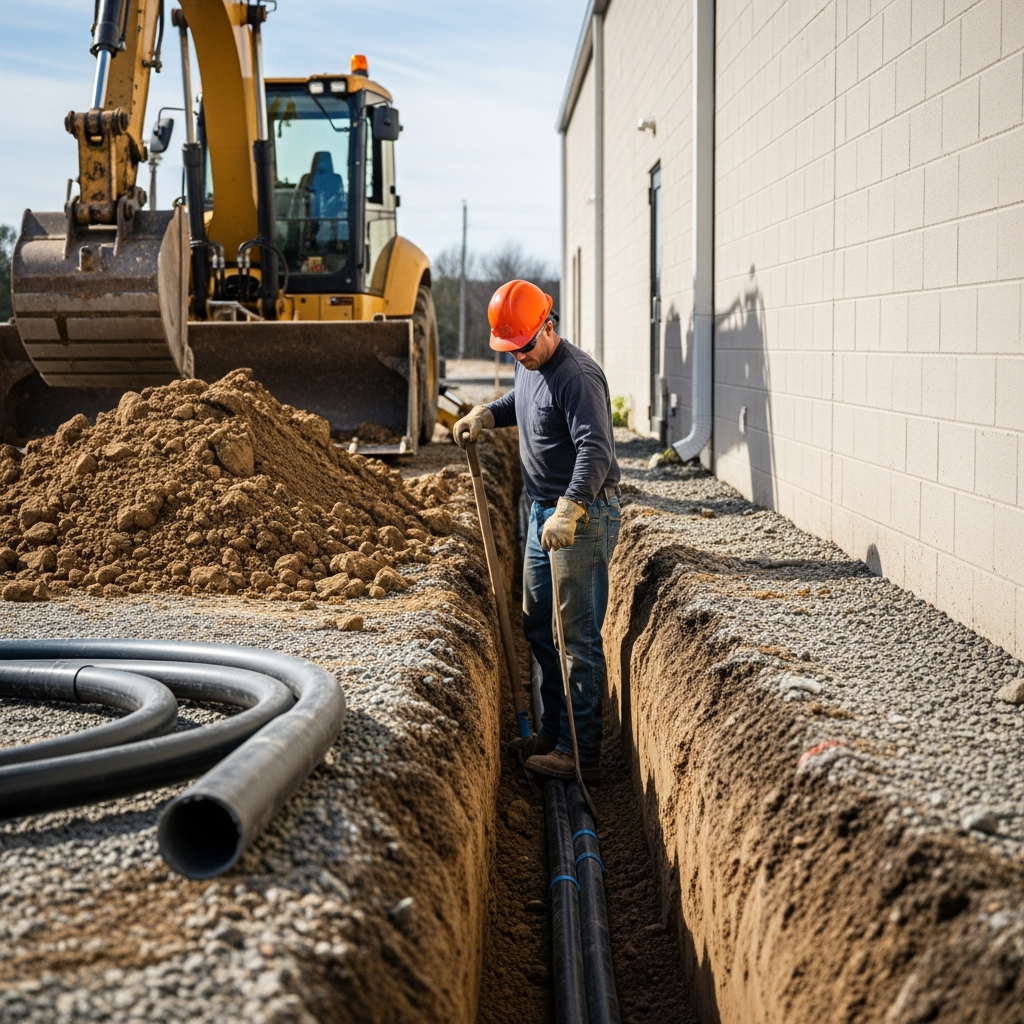
Honestly, most of the underground problems I’ve pulled apart didn’t fail at the conduit. They failed at the transitions, the splices, the spots where water found a way in. That’s why our underground utility installation work spends so much time on trench depth, separation and conduit specs that won’t trap moisture. If a property is going through a new construction build or planning a new service install, the underground decisions made on day one decide how the next twenty years go.
Cheap conduit is the most expensive thing you can put in a trench. Spend the money once.
steelcityelectricfl.com/underground electrical