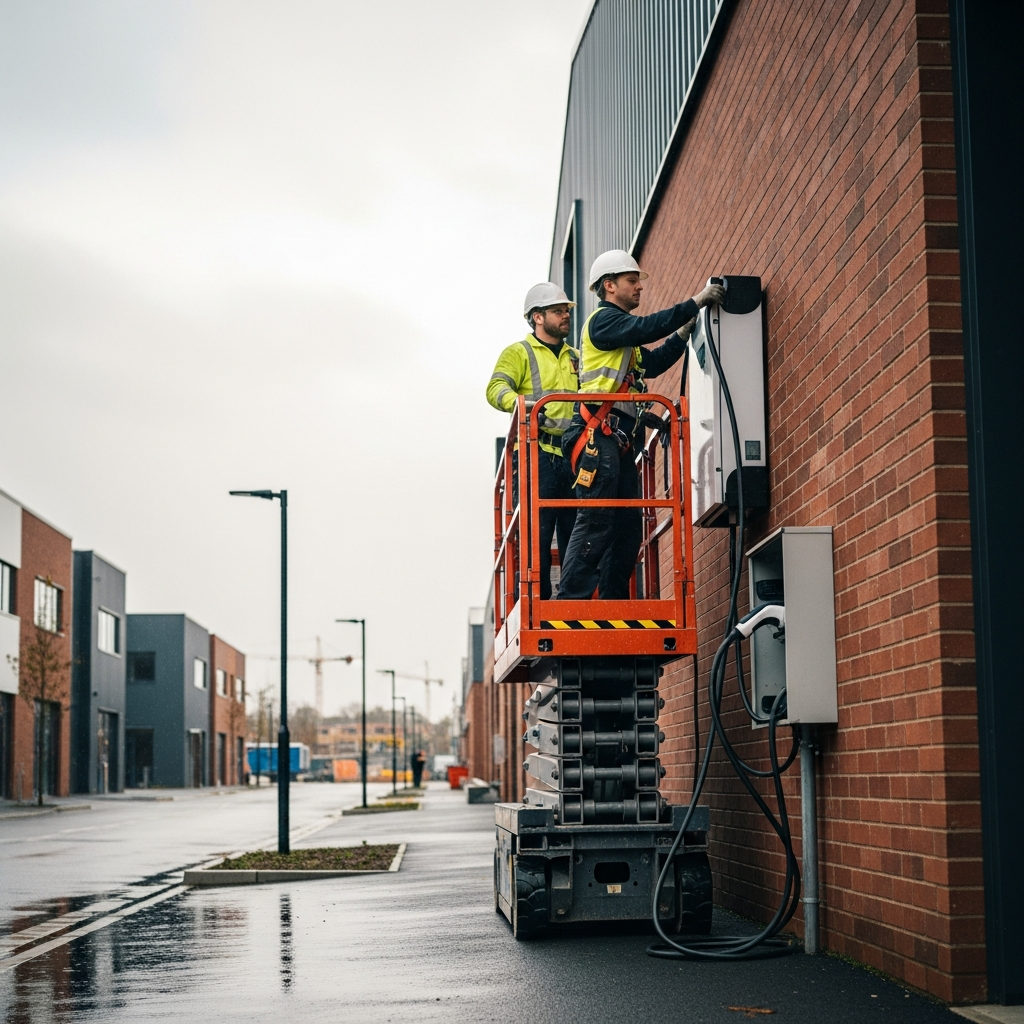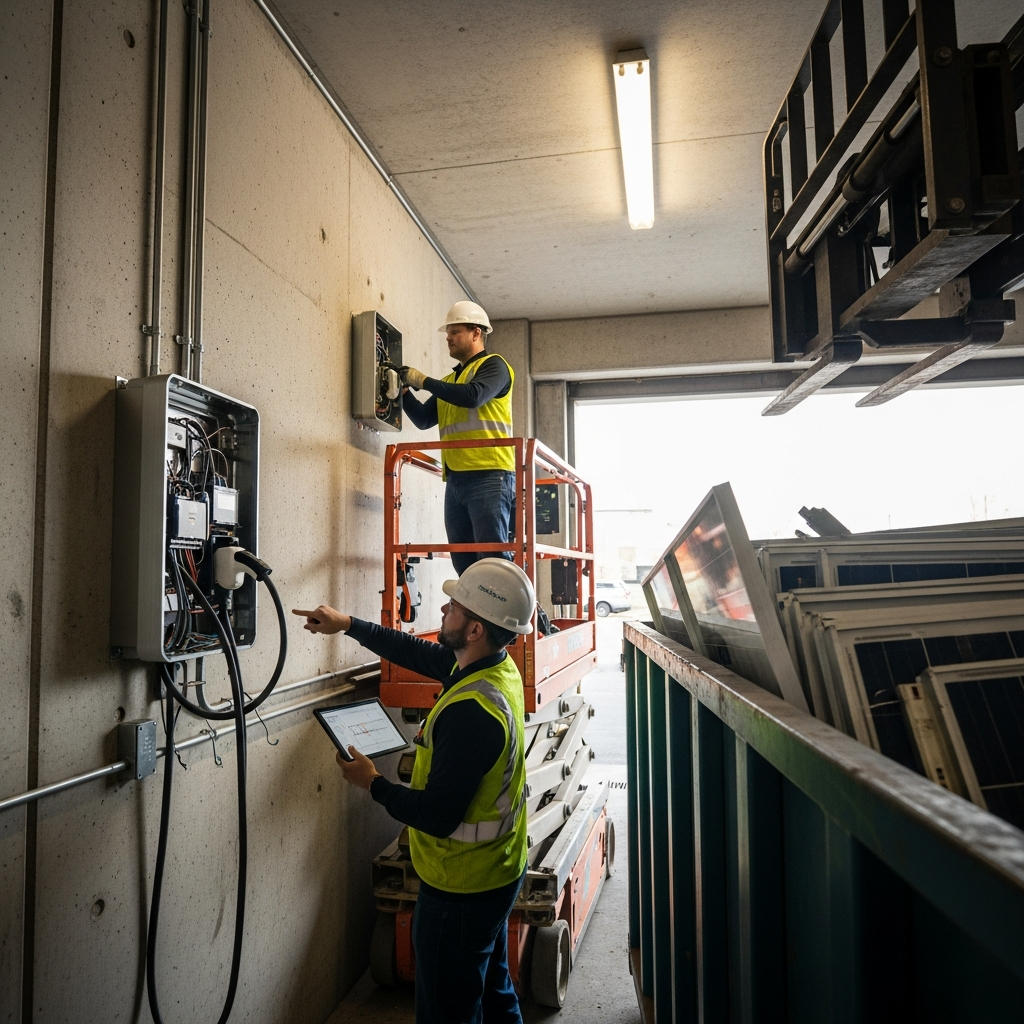
Walked a site last week where the lights along the back row kept dimming every time the loading dock compressor kicked on. Nothing tripped. Nothing alarmed. The GC said it had been doing that for months and they figured it would sort itself out. It won’t. That kind of behavior usually means something underground is already stressed, and nobody’s looked at it yet.
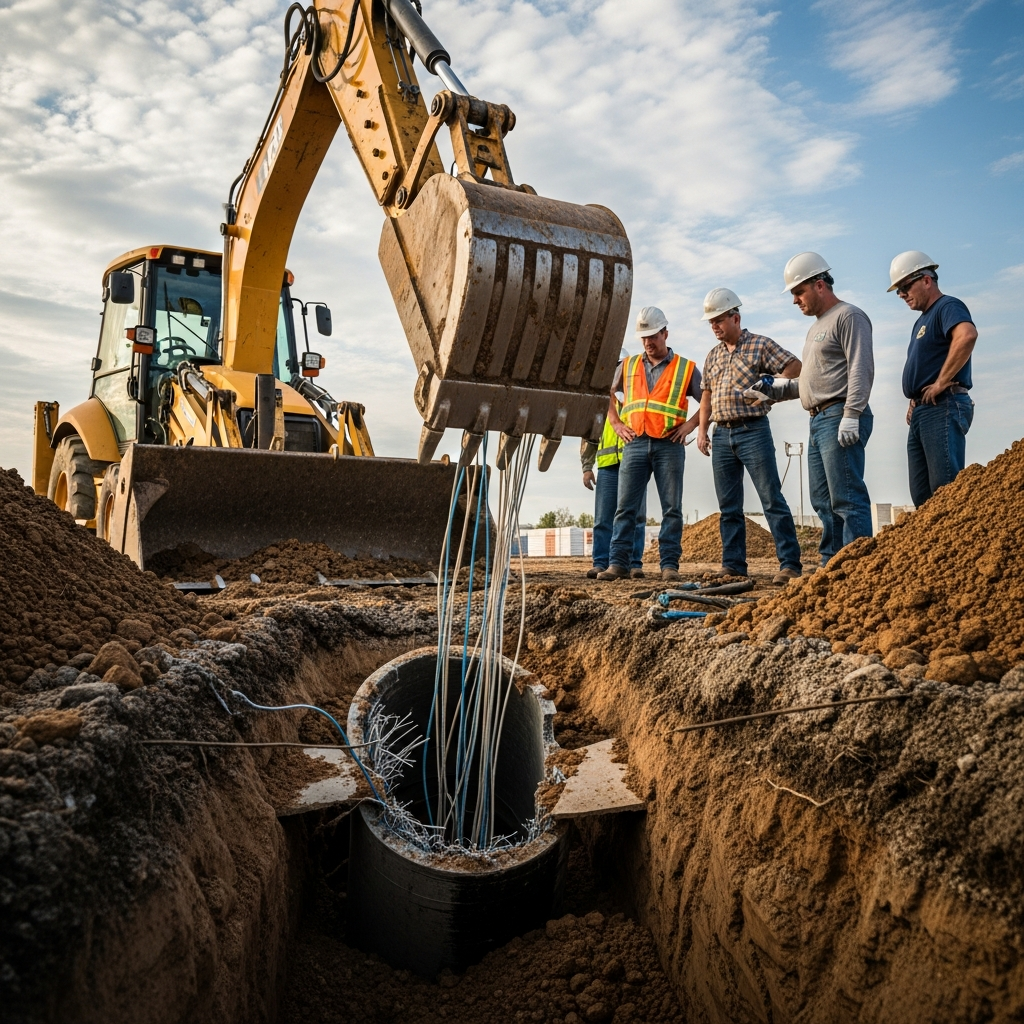
Most of the damage I see on commercial jobs doesn’t start with a dramatic mistake. It starts with somebody assuming the feed is six inches deeper than it actually is. Then the bucket clips it and suddenly half the property is dark and the conversation gets expensive fast.
The issue raised in Publication, “Markets bleed at midday: Sensex down 1,053 points, banks lead losses as crude tops $115” is about pressure inside a system that looked stable until it wasn’t. Same idea underground. Everything reads fine on paper until a trench crew hits a live feed nobody mapped properly.
That’s why underground utility work needs to be planned with the actual site, not a guess. Conduit depth, sweep radius, separation from water and comms, backfill type. Skip one and you pay for it later. I’ve seen parking lots ripped open twice in a year because the original install used the wrong conduit and the runs collapsed under truck traffic.
Honest opinion. Most underground failures on commercial sites are not material failures. They’re planning failures.
If you’re building out, expanding service or adding load for new gear, get the underground portion handled before anyone pours concrete. Coordinate it with the new construction phase or the new service install. Trying to retrofit later costs three times more and somebody’s tenant is always the one who has to sit through the outage.
Map it. Mark it. Dig it once.
steelcityelectricfl.com/underground electrical