Three tenants on one feed works fine until somebody signs a fourth lease. Then the math stops working. We see it in strip plazas around Bradenton all the time. The original service entry was sized for the building back when it opened, and nobody updated anything as the suites kept turning over. A new tenant moves in with a bigger HVAC, a few extra coolers, maybe a small kitchen. Suddenly the service is running closer to its ceiling than anyone realized.
The situation described in pypi.org, “power-grid-model-io 1.3.69” reflects a growing pattern across commercial environments. Demand keeps stacking on infrastructure that was planned for a different era of the building.
What usually happens is the landlord assumes the existing service can handle the new lease. Sometimes it can. Sometimes it can’t, and nobody finds out until the fourth tenant fires up their equipment for the first time. That’s when the calls start.
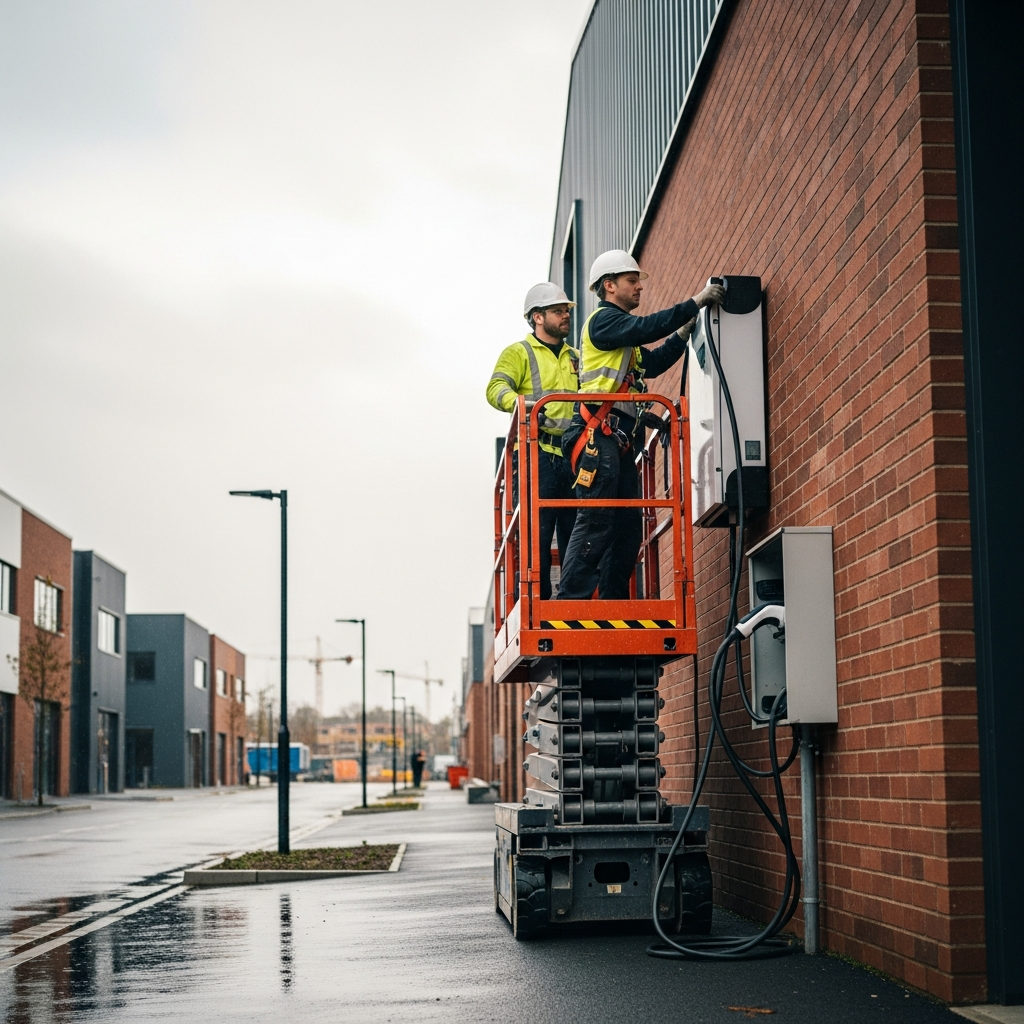
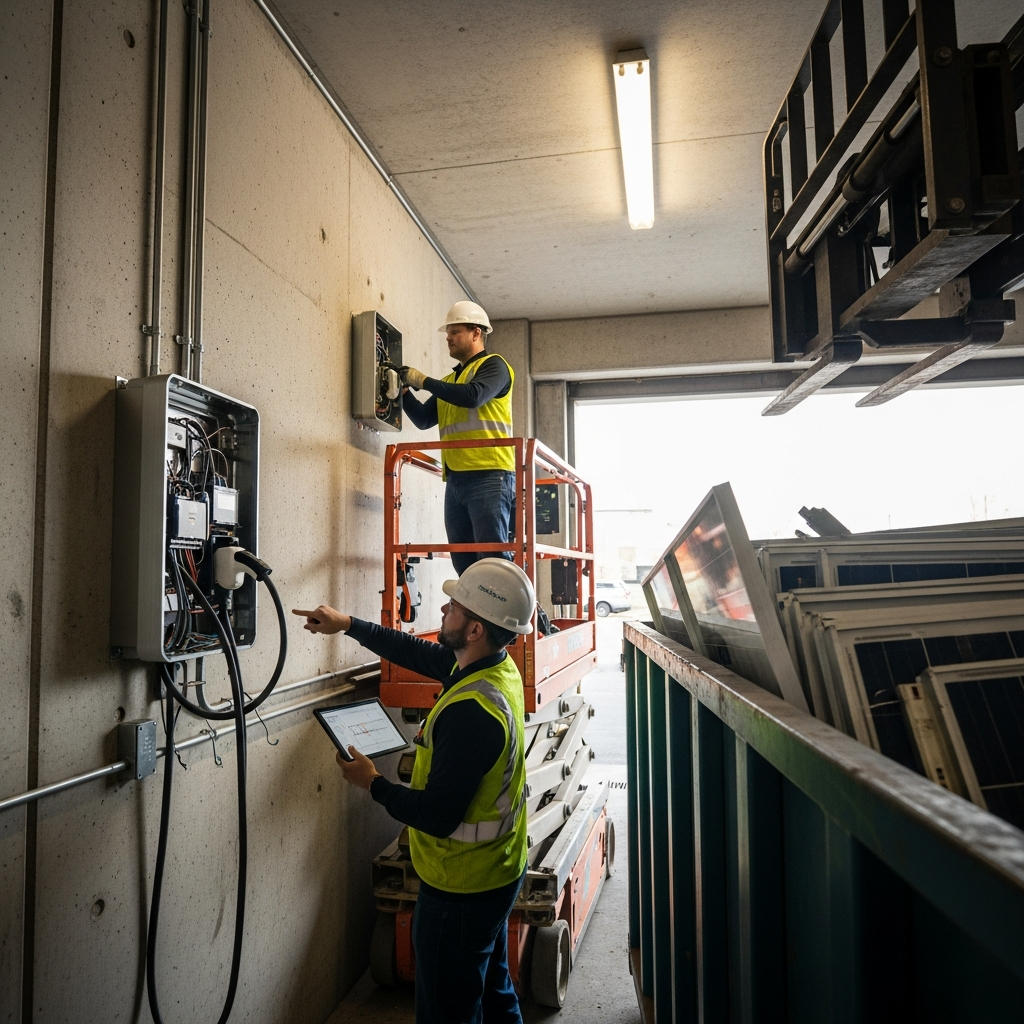
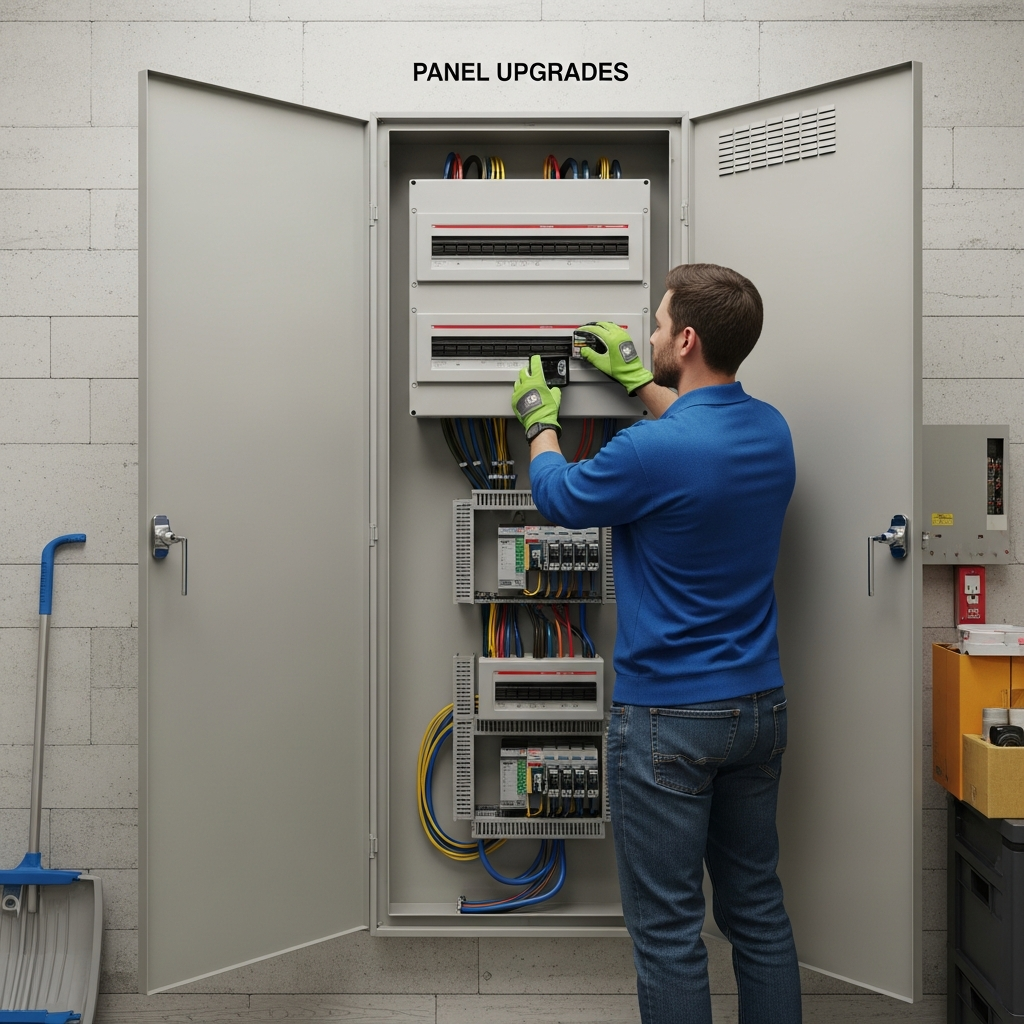
A proper new electrical service installation means looking at the actual load, not the nameplate. Utility coordination, service entry sizing, meter stack layout, the transformer feeding the building. All of it has to match what the property is doing now, not what it did fifteen years ago.
Honestly, if you’re leasing out a fourth suite without checking capacity first, you’re betting the whole property on luck.
steelcityelectricfl.com/Sub-Metering Services