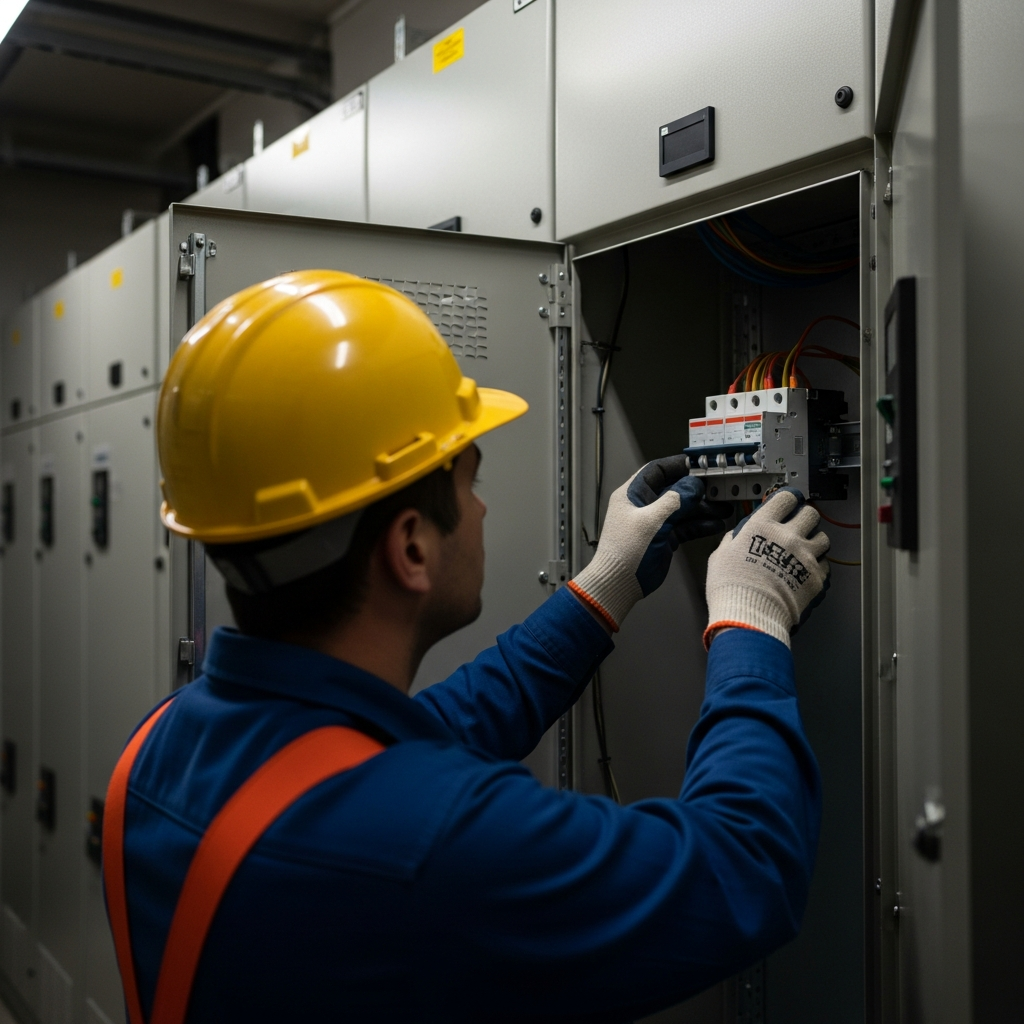
A property manager walks the first floor on a Tuesday and notices the lights in the back corridor dimming just slightly when the HVAC kicks on. Nothing has tripped. Nothing is off. But the panel is warmer than it should be, and one of the tenants mentioned last week that their POS rebooted twice in an afternoon. Small things. The kind that get filed under “monitor it” until they aren’t small anymore.
Electrical demand is changing faster than many buildings can keep up with. That’s the real story behind the recent CNET, “Best Portable Power Station Deals at Amazon’s Spring Sale 2026: Jackery, Anker and EcoFlow” coverage. The piece is about consumer deals, sure, but the bigger signal is that even households are now thinking about backup power. Commercial properties in Bradenton and Sarasota should have been thinking about it years ago.
A portable unit is fine for a laptop and a router. It will not carry a retail floor, a medical suite or a restaurant line through a four-hour outage. That’s where a properly sized commercial generator installation earns its keep. We usually see it after the fact. Somebody lost a freezer of inventory, or a tenant threatened to break the lease, and suddenly the budget appears.
The trick is load planning before the install, not after. Critical circuits, HVAC priorities, transfer switch behavior. If that part gets rushed, the generator runs but the building still has dead zones.
Don’t wait for the next dark morning to figure out what your building actually needs.
steelcityelectricfl.com/Electrical Repairs