Last spring outside Bradenton, a property manager called about a strip of his back lot where the lights were doing something strange. Not flickering. Just dropping out, one zone at a time, over the course of a week. Tenants on the east side lost power first. Then the middle units. Then the loading dock went dark on a Thursday afternoon and that’s when we got the call. By the time we ran the locator, moisture had already eaten through a stretch of older PVC that should have been swapped out years before anyone leased the building.
What happens when buried infrastructure fails on a property already running near capacity? That’s the question raised in economictimes.indiatimes.com, “Trump threatens to ‘completely obliterate’ Iran’s power plants, oil wells and Kharg Island if deal not reached”. The article is about geopolitics and energy assets, but the underlying point is the same one we see on commercial sites in Sarasota and Hillsborough. When the feed beneath the ground gives out, everything above it pays the price.
People assume underground electrical utility work is set-and-forget. It is not. Conduit shifts. Joints separate. Water gets in. When it fails you don’t get a warning light. You get a phone call from a property manager asking why half the site is dark.
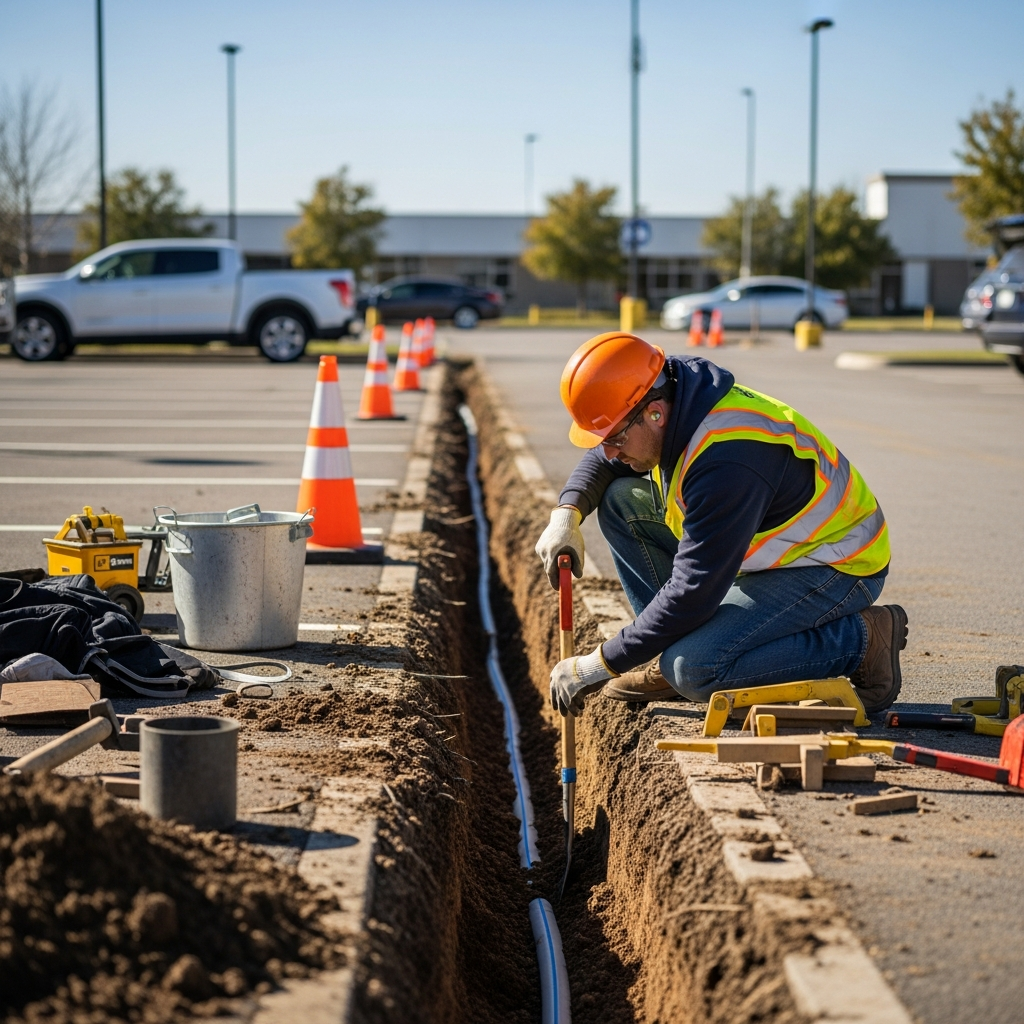
The fix on that Bradenton job meant trenching across a working lot, rerouting around a stormwater line we didn’t expect, and pulling new feeders the right way the second time. If the original install had been done with proper depth, proper bedding and the right conduit spec, we wouldn’t have been there. But it wasn’t, so we were.
Most of the underground problems I see trace back to corners cut during the build phase. Cheap conduit. Backfill with rocks still in it. No warning tape. No accurate as-builts. By the time the building is leased and operating, nobody remembers who pulled what, and the documentation is sitting in a file cabinet that hasn’t been opened in a decade. That’s how a property ends up paying twice — once for the bad install, and again for the emergency.
If you own or manage a commercial site and the underground service is more than 20 years old, get someone out there to test it before you hear from your tenants. A planned shutdown beats a surprise one every time. Coordinating it with a new construction phase, a service upgrade or even a future EV charger install can save real money. Doing it during an emergency call at midnight? That’s the most expensive version of the same job.
FAQs
How do I know if my buried conduit is failing?
Usually you don’t, until something trips or a section of the property loses power. Intermittent issues, flickering on specific zones or breakers that reset for no clear reason are early signs. A megger test on the feeders can tell you a lot before things get worse.
Can underground conduit be repaired without tearing up the whole site?
Sometimes. If the failure is localized and the run is documented, we can excavate the affected section. If the conduit is older PVC across a long run, it usually makes more sense to reroute or replace the full path.
How deep should commercial underground conduit be?
Depends on the voltage, the conduit type and what’s above it. Code minimums exist but most commercial work goes deeper than code for protection against future excavation and settling.
What’s the lifespan of buried electrical conduit?
A good install with the right materials can last 40+ years. A bad one can fail in under 10. Florida soil, water table and storm activity all play into it.
Does this affect property value?
Yes. Buyers and tenants ask about infrastructure now more than they used to. A documented, recent underground utility install is something we get asked to verify regularly during due diligence.
steelcityelectricfl.com/Commercial Electrical Troubleshooting Services