Last spring we had a warehouse expansion job out past the county line. Trench cut, conduit laid, crew moved on. Two weeks later the whole run came back up because nobody confirmed the secondary feed depth before backfill went down. That kind of miss happens more than people on commercial sites want to admit.
The issue raised in The Paper, thepaper.cn, “Baidu robotaxi outage in Wuhan caused by ‘system failure’, police say” is simple. A system failed quietly and around a hundred vehicles got stuck. Different industry, same lesson. When the infrastructure underneath isn’t planned right the first time, the cleanup gets expensive fast. Underground electrical has the same problem. You cannot see what’s wrong from the surface and by the time you notice, the asphalt is already poured.
Most reopened trenches I’ve seen on commercial underground installs come down to one of three things. Bad coordination with the GC. Conduit sized for today instead of what the building will pull in five years. Or somebody assumed the utility tie-in point was final when it wasn’t.
Sarasota and Manatee sites are tricky because of the water table. You hit moisture faster than expected, the trench walls get soft and the temptation is to just drop the pipe and move on. Then the inspector wants a depth check, or the load calc shifts during new construction phasing, and that trench opens again. Every time it opens, the schedule slips.
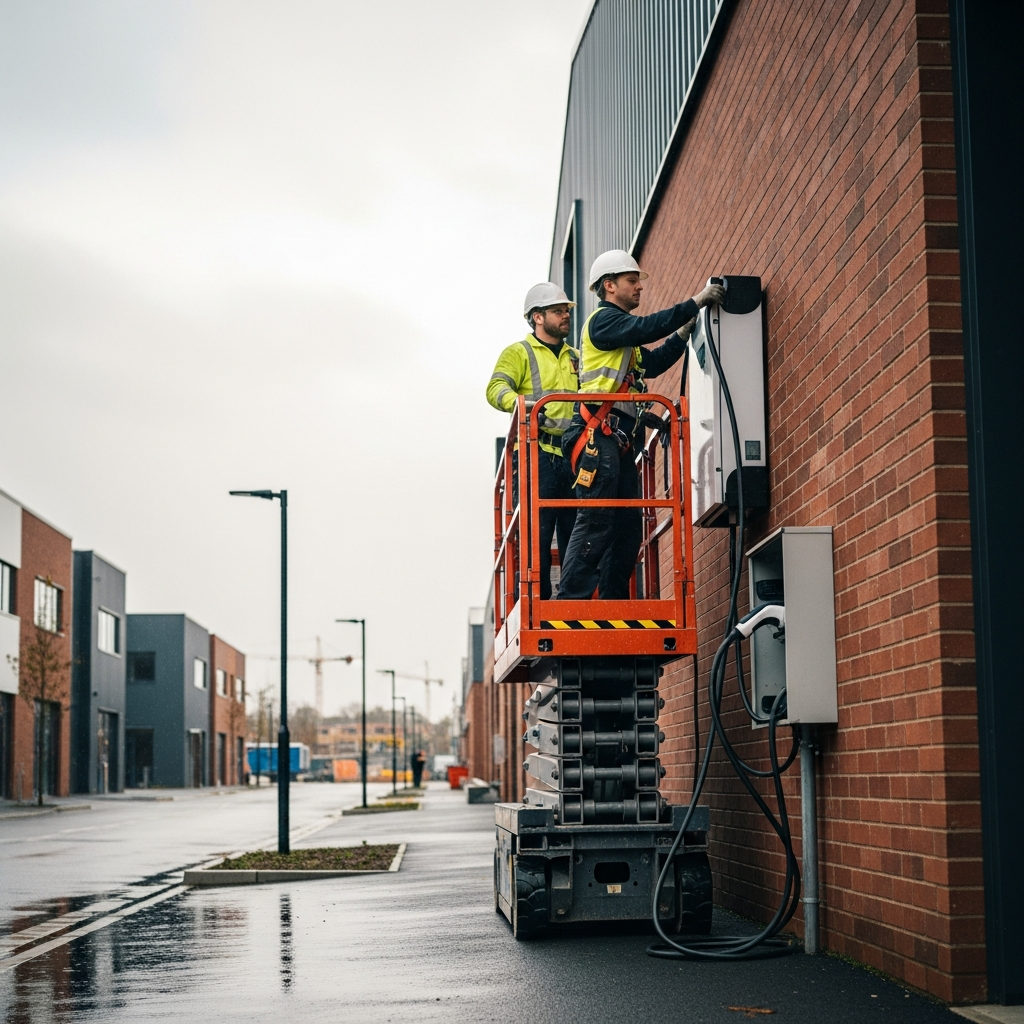
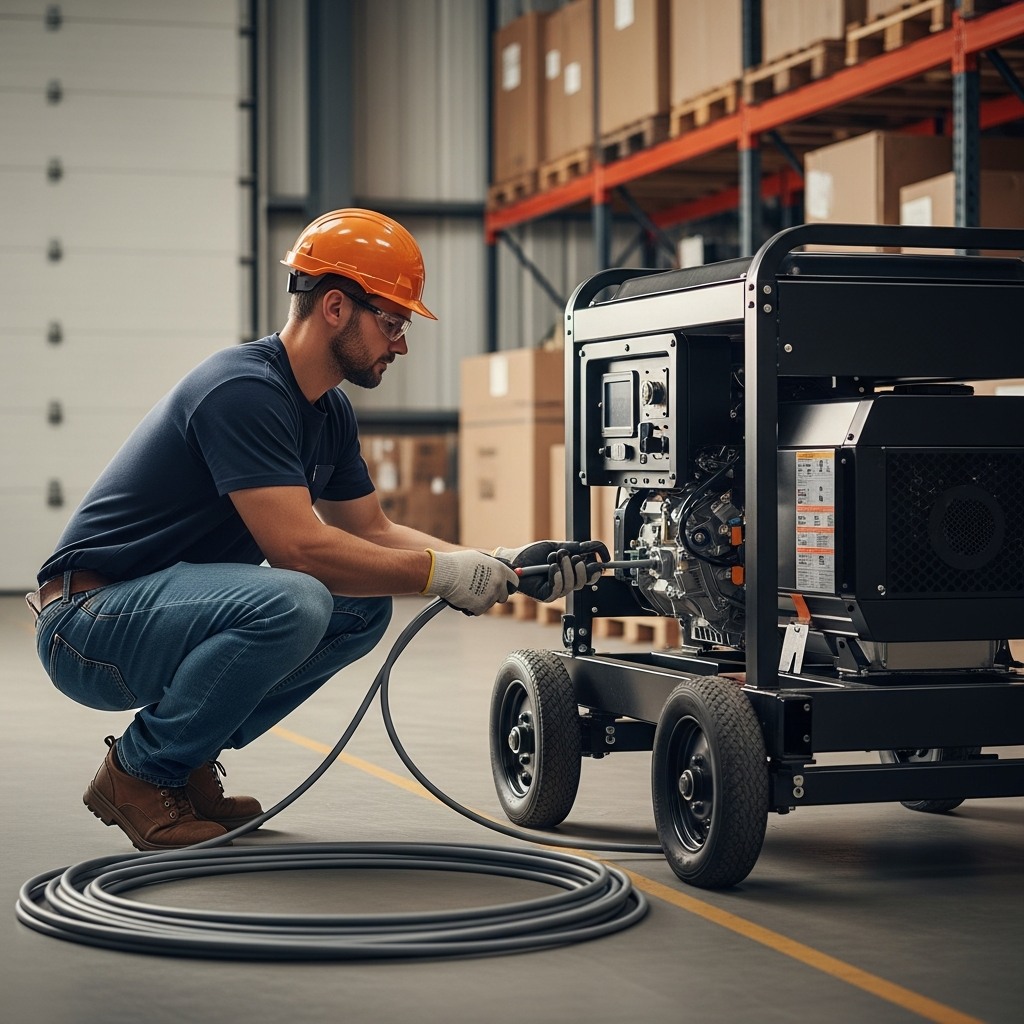
I’ll say it plain. Some property owners try to save money by skipping the upfront conduit oversizing. It almost never works out. The trench gets reopened later for a panel feeder change, a backup generator install or a parking lot EV charger run, and now you’re paying for trenching twice. Sometimes three times. The conduit itself is cheap. The dirt work isn’t.
One thing I keep telling project managers. If you’re already cutting ground for a primary service feed, plan for the next ten years right then. Pull a spare conduit. Tag it. Map it. Done. Future service upgrades become a pull job instead of a dig job.
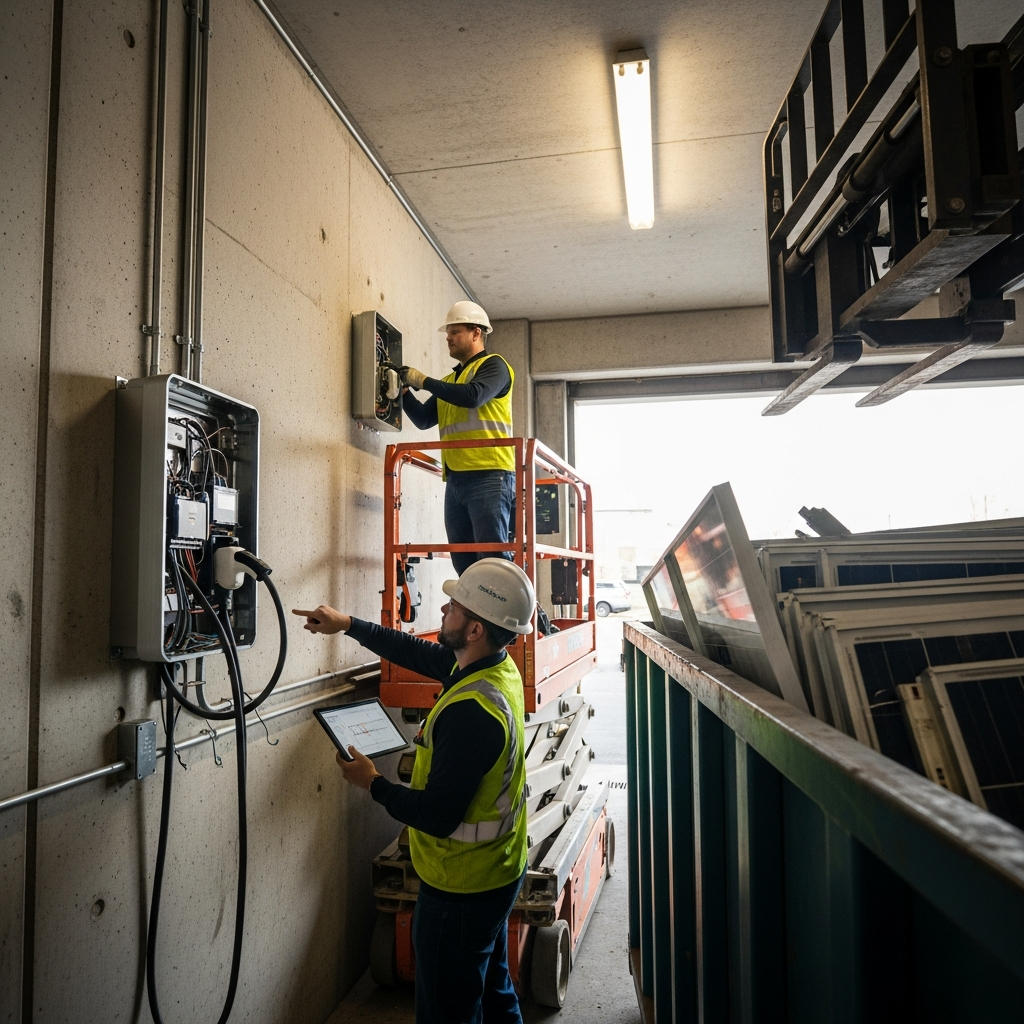
The other thing nobody talks about much is documentation. As-builts for underground runs get sloppy because the crew is rushing to backfill before the rain. Two years later, somebody needs to locate that conduit and there’s no record. Now you’re guessing, or running new lines around a guess. Bad way to operate.
Honestly, the trench that gets opened twice is almost always a planning failure, not a labor failure. The guys in the ditch usually do their part. The miss is upstream.
FAQs
Why do underground electrical trenches get reopened so often on commercial sites?
Usually because the original scope didn’t account for future load growth, the utility coordination changed mid-project or the conduit was undersized. Reopening costs more than oversizing the first run.
How deep should commercial underground conduit be buried in Florida?
Depth depends on conduit type, voltage and whether it’s under traffic, but Florida sites also have to account for the water table. We typically go below code minimums when the soil and site allow.
Can you add conduit later without digging the whole trench again?
Sometimes, if a spare sleeve was installed. Without one, you’re usually back to trenching or directional boring, which costs significantly more than planning ahead.
What happens if the as-built drawings are missing for an underground run?
You either locate by detection equipment or you guess. Guessing leads to damaged cables and unplanned outages. We push hard for proper documentation before backfill, no exceptions.
Does weather affect underground utility installation timing?
Yes. Heavy rain softens trench walls and delays inspections. In Bradenton and Sarasota, we plan around the wet season when the schedule allows.
steelcityelectricfl.com/Underground Electrical Services