AI Factories Pushing Real-Time Token Loads Are Forcing a Hard Look at Commercial Panel Upgrades
NVIDIA recently put out an industry update about AI factory operators trying to keep token production moving in real time. In that world, a small loss of GPU time can turn into a large bill pretty quick. Sounds like something happening in a data center, not a strip center in Tampa Bay or a warehouse off an industrial road. Still, the electrical lesson is the same. Heavy load finds weak gear.
A panel that looked fine ten years ago may not be fine today. The building may have picked up extra HVAC, added network racks, cameras, access control, battery backups, refrigeration, chargers, new tenant equipment, and maybe a small server room in the corner. None of that cares what the original drawings expected. The panel sees load. It sees heat. It sees imbalance. If there is no room left, it shows up sooner or later.
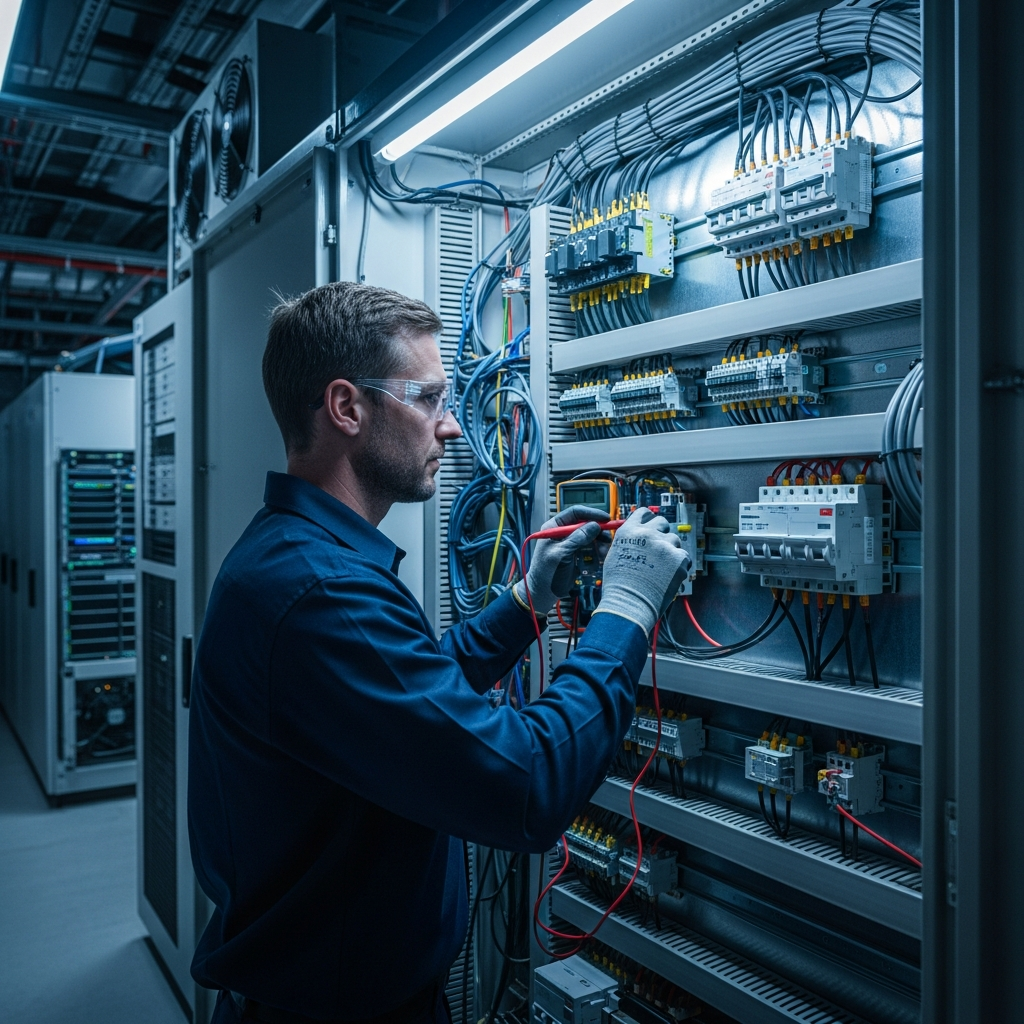
This is where commercial panel work stops being a simple breaker swap. A business calls because something keeps tripping. Maybe the breaker is bad. Maybe it is not. Sometimes the panel is packed too tight, poorly labeled, undersized, damaged, or carrying years of add-ons that were never looked at as one system. A tenant changed the use of the space. Somebody made it work on a Friday afternoon. A few years later, the whole setup is limping.
For a facility running heavier digital equipment, downtime can hit more than computers. It can take out transactions, cooling, access control, controls, production equipment, and tenant operations at the same time. That is why Steel City Electric treats commercial electrical panel installation and upgrades as planning work, not guesswork. We look at the connected load, service capacity, grounding, code requirements, fault current, future equipment plans, and how the shutdown affects the people inside the building.
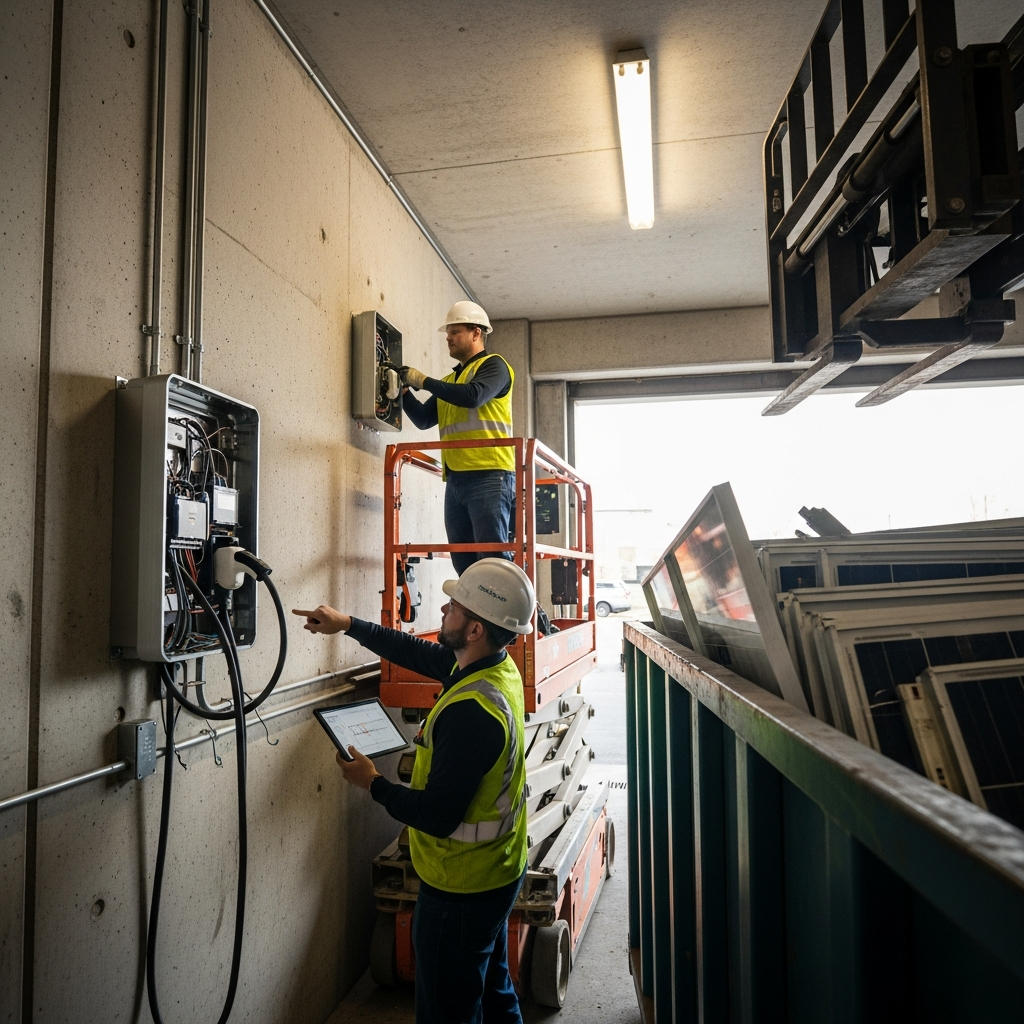
The outage window is usually the part nobody likes. Some panel upgrades can be handled tight and clean. Some need utility coordination. Some need temporary power or phased work so important equipment does not go dead. Older buildings can add surprises once the cover is off. Burned lugs. Double taps. Bad directories. Breakers from three different eras. Panels so full there is no safe way to add one more thing.
AI and high-density computing are not creating a new electrical rule. They are just making the old one harder to ignore. More load makes more heat. More heat wears equipment down. Poor distribution creates nuisance problems that waste time and can be hard to trace. A breaker trip feeding communications, refrigeration, controls, or production can cost money before anyone even knows which panel to open.
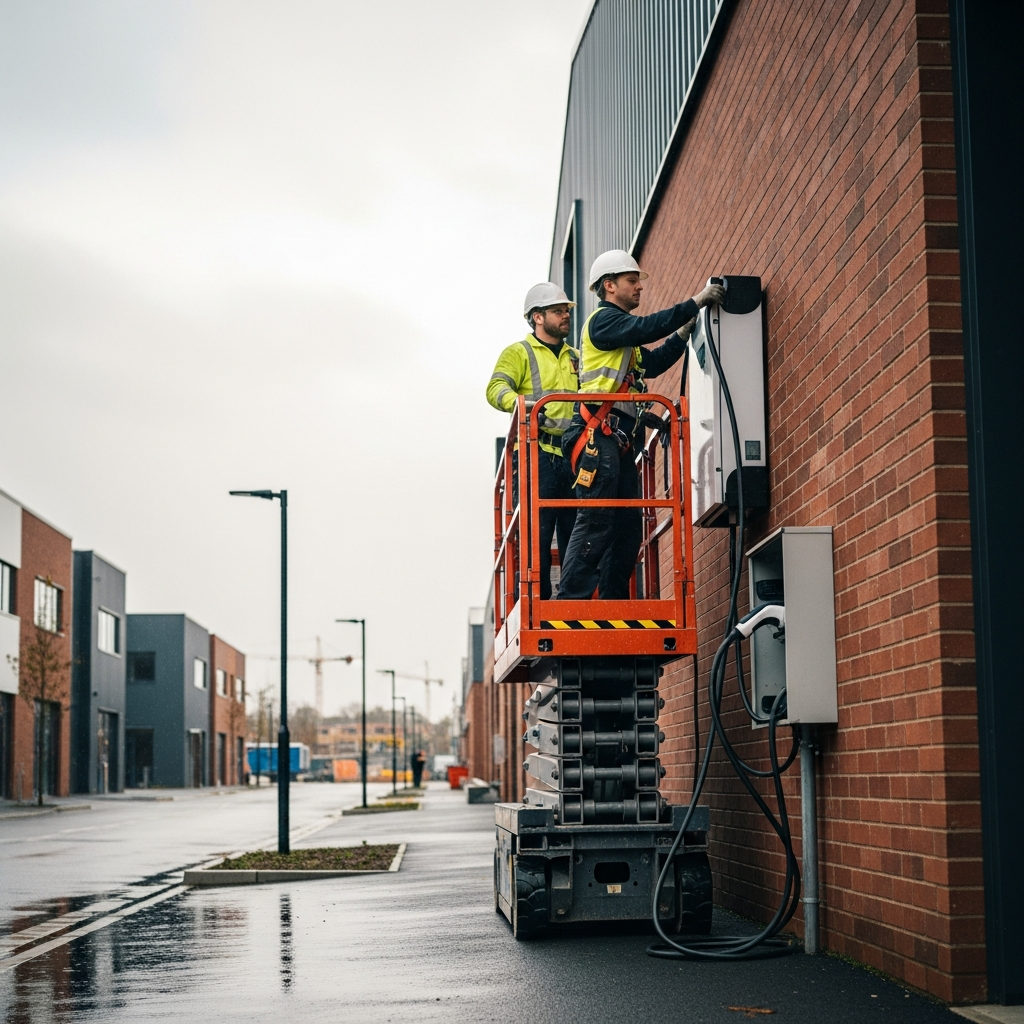
A panel upgrade also touches more than the panel. If a business is adding equipment, expanding a suite, or changing the layout, the feeders, disconnects, grounding, surge protection, dedicated circuits, and load balance all need a look. On larger projects, our team may review broader commercial electrical services so one repair does not leave another weak spot waiting behind it. When repairs are needed before an upgrade can be done safely, commercial electrical repair work should happen before more load gets stacked onto the system.
The AI factory discussion is a large-scale version of a local problem. Real-time operations do not tolerate weak electrical infrastructure. A commercial building does not have to be a data center to feel the strain. It only has to be carrying more equipment than the original electrical design expected. For Tampa Bay area businesses planning new equipment, tenant improvements, or heavier power use, a panel review is not just paperwork.