power-grid-model 1.13.40 Makes Load Problems Harder to Ignore During Commercial Panel Upgrades
The power-grid-model project recently put out its 1.13.40 release for its Python and C++ library used in distribution power system analysis. Sounds like engineering office stuff. Not something tied to a hot panel in the back of a restaurant or a warehouse electrical room. But it connects more than people think.
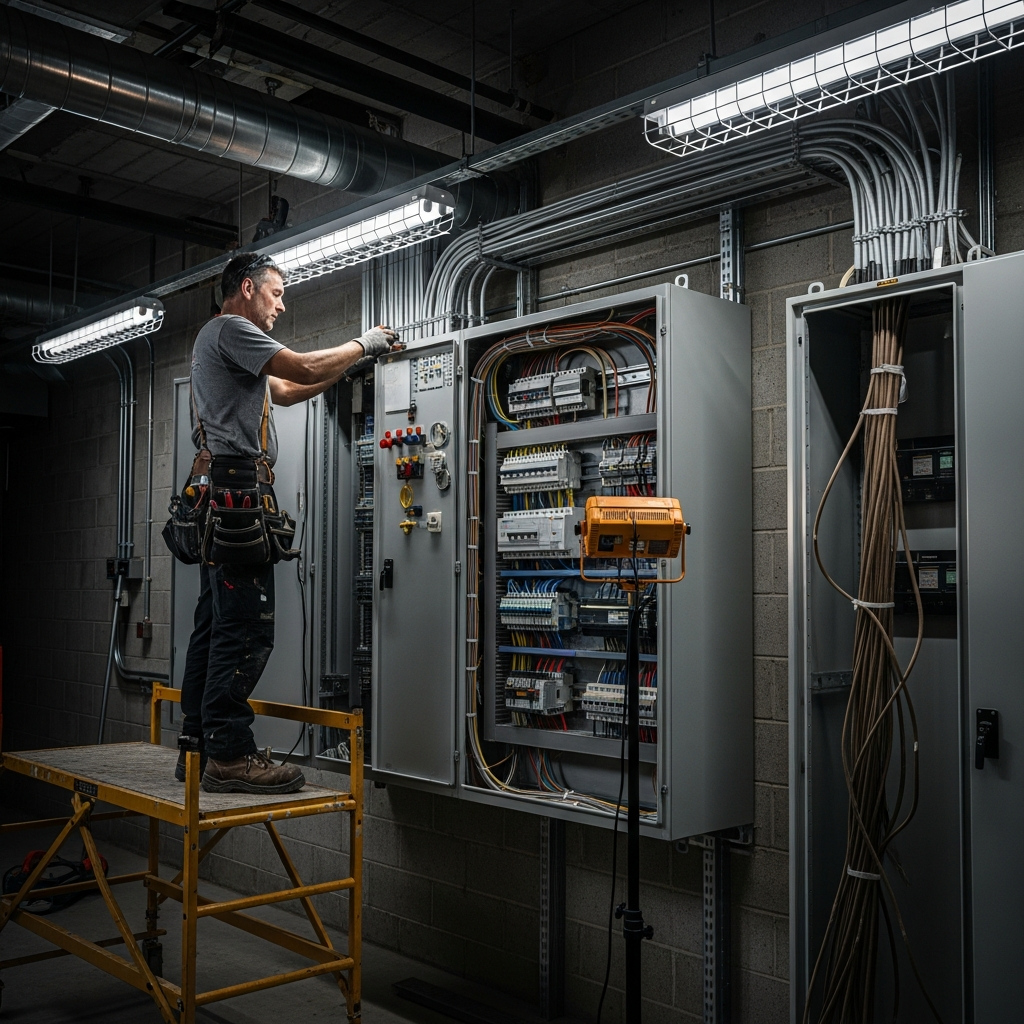
Panel upgrade work is not based on what the old panel directory claims. It is based on what the building is pulling today. A lot of those directories are half faded, crossed out, or written by whoever touched the panel last. Since then, somebody added coolers, POS systems, office gear, outside lights, HVAC changes, chargers, kitchen equipment, or production loads. The panel takes it until it does not. Then come nuisance trips, warm breakers, or that smell nobody wants to chase at 7 p.m.
Better load analysis helps because it cuts down the guessing. Software still does not land the wire, torque the lugs, label the circuits, or figure out how to work in a closet-sized electrical room. A crew still has to do that. What improved modeling does is make bad load assumptions harder to carry into the job. It shows weak spots before the shutdown starts and the owner is asking when the power is coming back on.
Steel City Electric runs into this during commercial electrical panel installation and upgrades on a regular basis. The panel swap is only one piece. The real work is sorting out added loads, undersized capacity, bad labeling, overloaded circuits, and equipment that was installed years apart with no real plan tying it together.
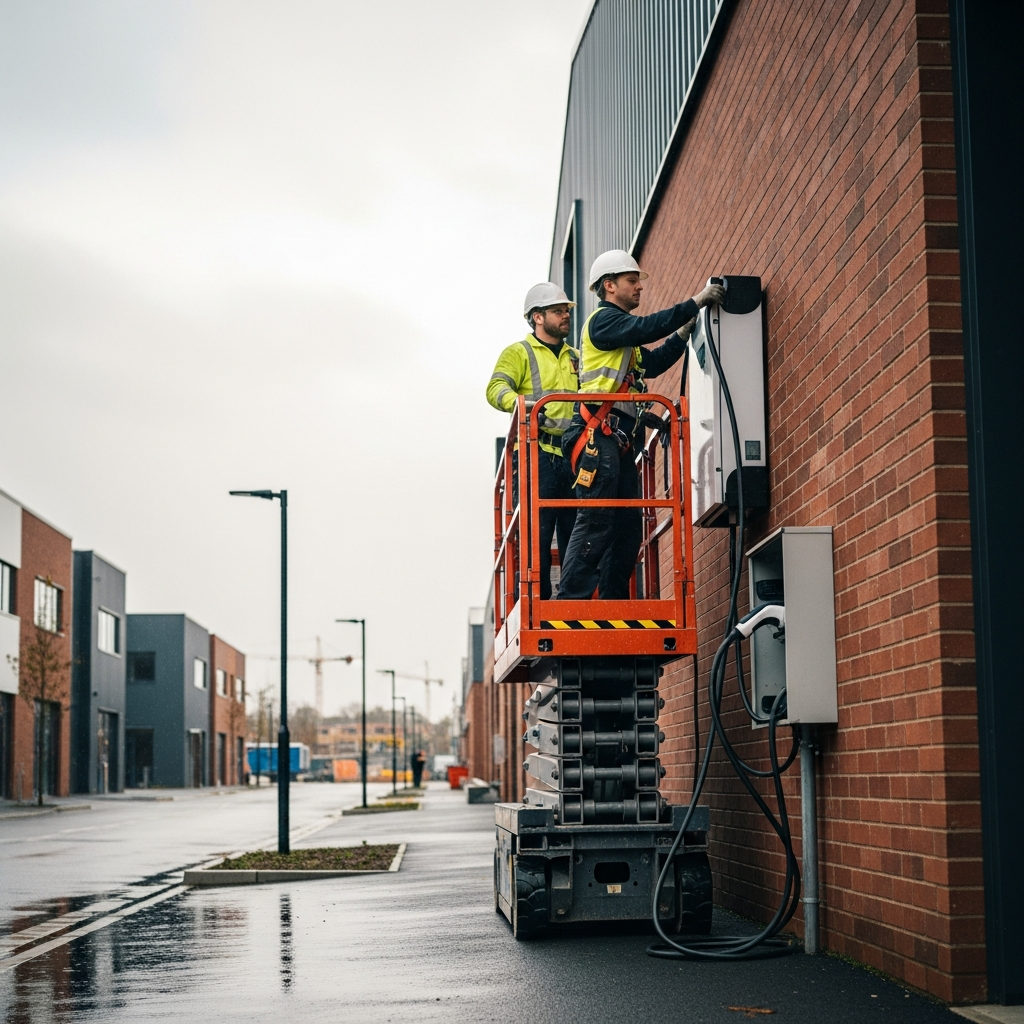
Some jobs are straightforward. The tenant needs more breaker space and the service can handle it. Other jobs get ugly fast. The feeder is questionable. The gear is old. Replacement parts are scarce. The service is already close to maxed out. That changes the whole approach. Shutdown windows get tighter. Critical circuits have to be traced. Refrigeration, emergency lighting, security, network racks, HVAC controls, and registers all need to be accounted for before anybody starts pulling covers.
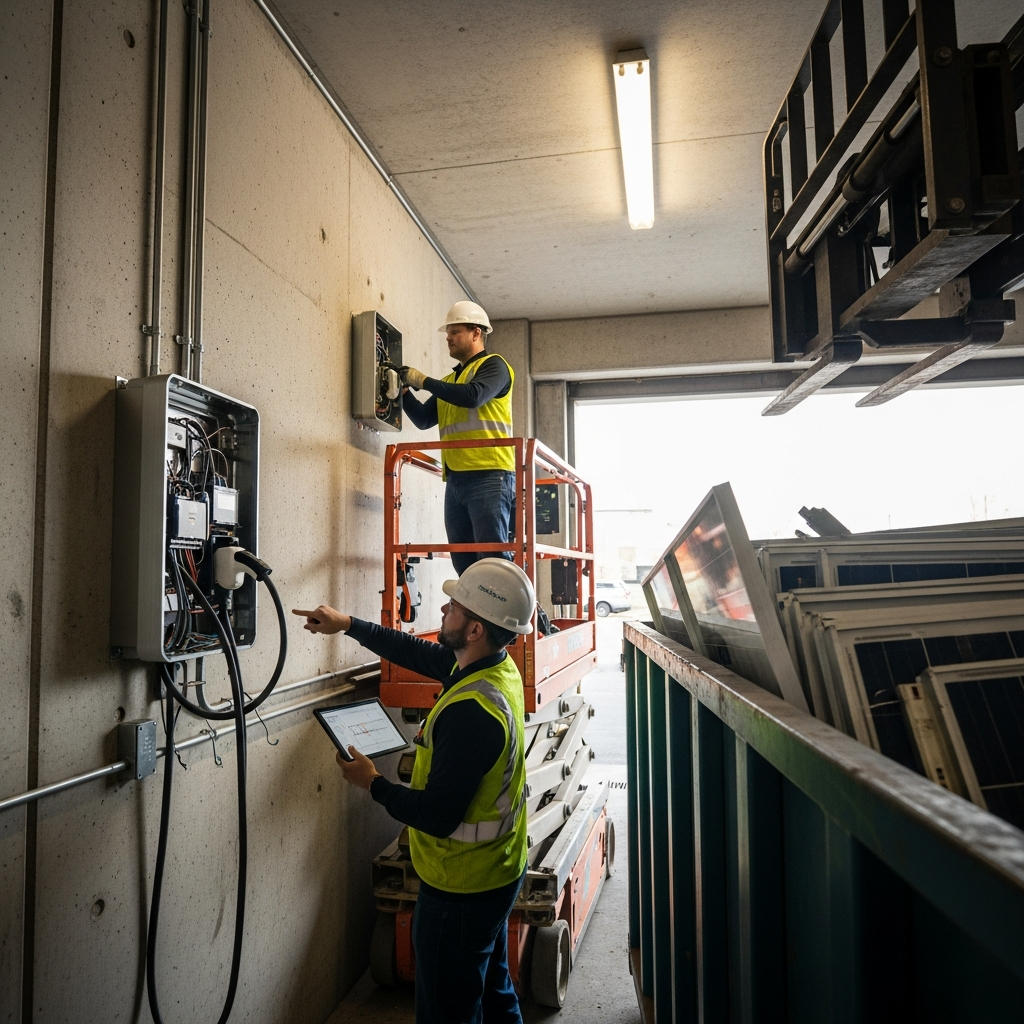
On prior commercial retrofit work, including retail spaces with active customer traffic and tight back-of-house access, Steel City Electric has had to phase panel changes around business hours and building limitations. That is normal in the field. Panel upgrades do not happen in perfect rooms with perfect drawings. There are blocked ceilings, shared electrical spaces, old conduit runs, missing labels, and owners who cannot lose power all day.
The newer modeling tools also put more weight on the planning side. Load calculations, field verification, and code review need to match before equipment is ordered. If the numbers show a larger service problem, better to find that out early than after the new panel is sitting on site. Same with future loads. A space adding equipment now may add more before the year is out. Planning that during commercial electrical service work can save another outage later.
There is the safety part too. Warm breakers, crowded gutters, double-tapped conductors, weak grounding, and mystery circuits are not just paperwork issues. They slow troubleshooting and raise the risk when something fails under load. A good upgrade gives the owner better circuit control and gives the next electrician a fighting chance when time matters.
If a facility already has flickering lights, tripped breakers, burning smells, or equipment dropping out, waiting usually makes the repair harder. The panel, feeders, grounding, and connected loads may all need to be checked together instead of chasing one breaker at a time. That is where commercial electrical repair and panel planning start to overlap.
These analysis tools are not replacing field judgment. They are exposing the bad assumptions sooner. For commercial buildings, a panel upgrade is infrastructure work. Not a cosmetic electrical change. The building either has the capacity and layout to support the operation, or it does not. Once the cover is off and the loads are checked, the panel usually tells the story.