power-grid-model 1.13.40 Sharpens Load Studies as Commercial Panel Upgrades Leave Less Room for Guesswork
The power-grid-model project recently put out version 1.13.40, with changes aimed at studying distribution systems in Python and C++. Most building owners will never open that software. Fair enough. Still, the point behind it shows up on real jobs all the time. Loads are not staying flat. Commercial panels that were acceptable ten or fifteen years ago are now being asked to carry equipment nobody planned for.
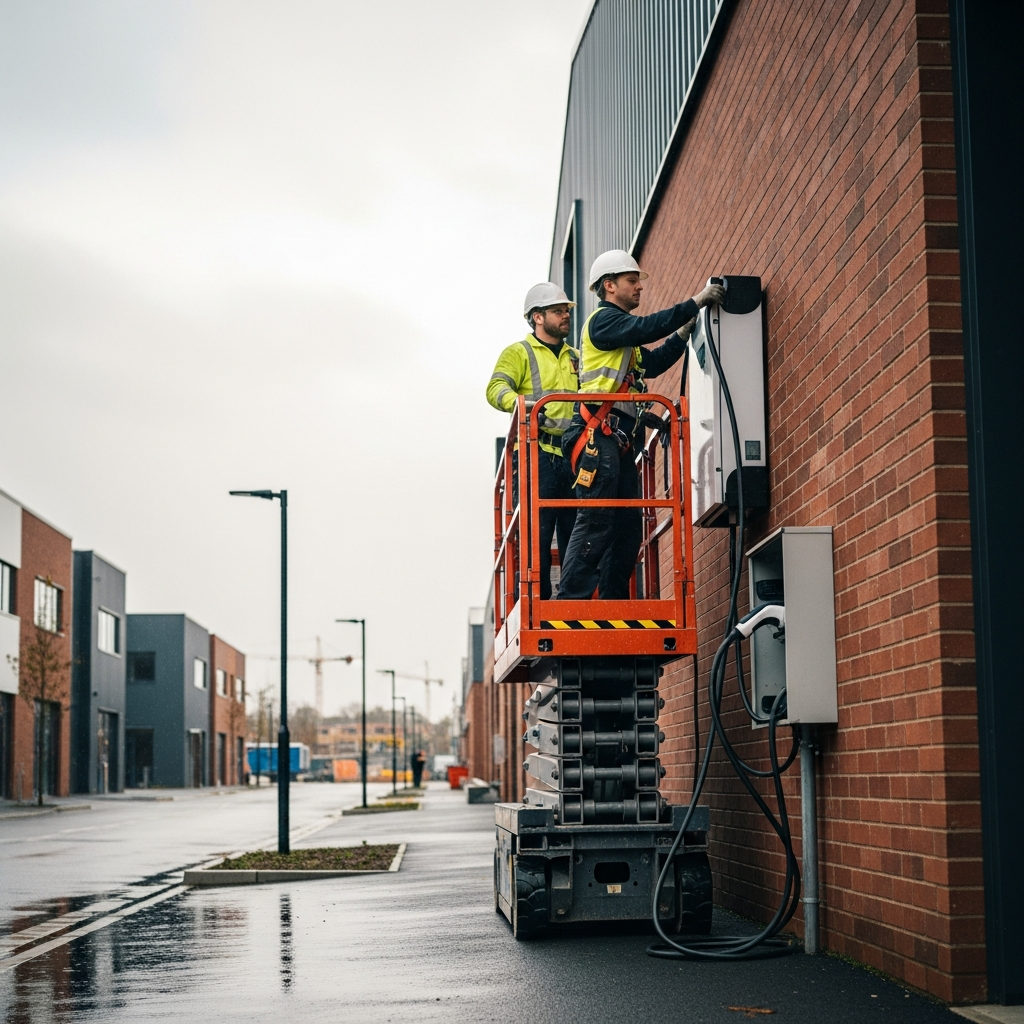
We run into this in retail spaces, small warehouses, offices, restaurants, shops, and tenant build-outs. The panel may not look terrible at first glance. Breakers are in place. Door shuts. Maybe the old directory even looks neat. Then you start tracing what is actually on it. Refrigeration got added. POS stations moved. A data rack showed up in a closet. HVAC was changed. Exterior lighting was expanded. Battery chargers, prep equipment, pumps, signs, controls. It adds up.
That is why the load review has to happen before feeders get ordered or walls get opened. A commercial electrical panel installation or upgrade is not just swapping a tired cabinet for a new one. Feeder sizing matters. So does fault current, grounding, working clearance, panel placement, utility coordination, shutdown timing, and what the owner may need next year. If one part is guessed wrong, the whole schedule can get messy.
Shutdowns are another place where small mistakes get expensive. Nobody wants to lose power during business hours, but sometimes the building setup gives you very few clean options. Registers go down. Coolers warm up. Access control drops. Parking lot lights may be off if the work runs late. Tenants call. Managers get nervous. We try to get those details handled before the outage, not while a crew is standing there with the gear open.
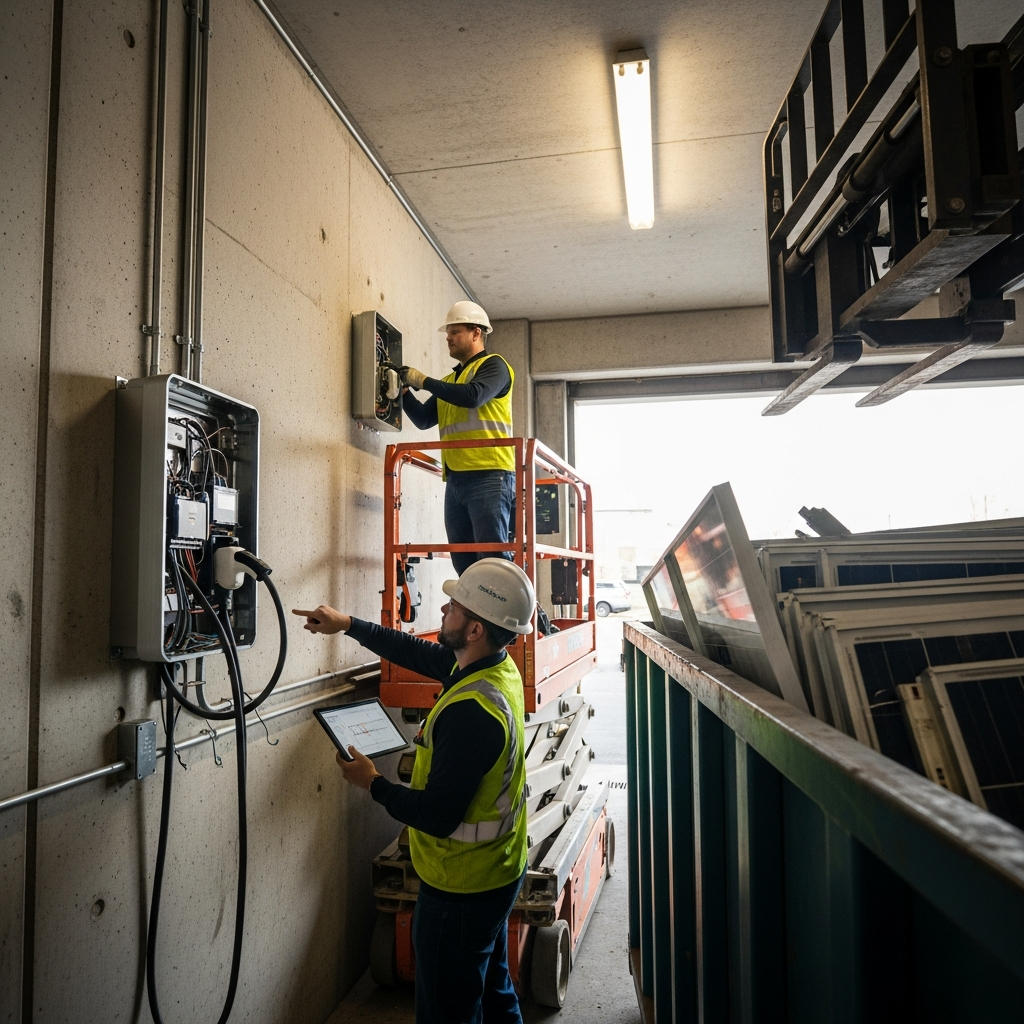
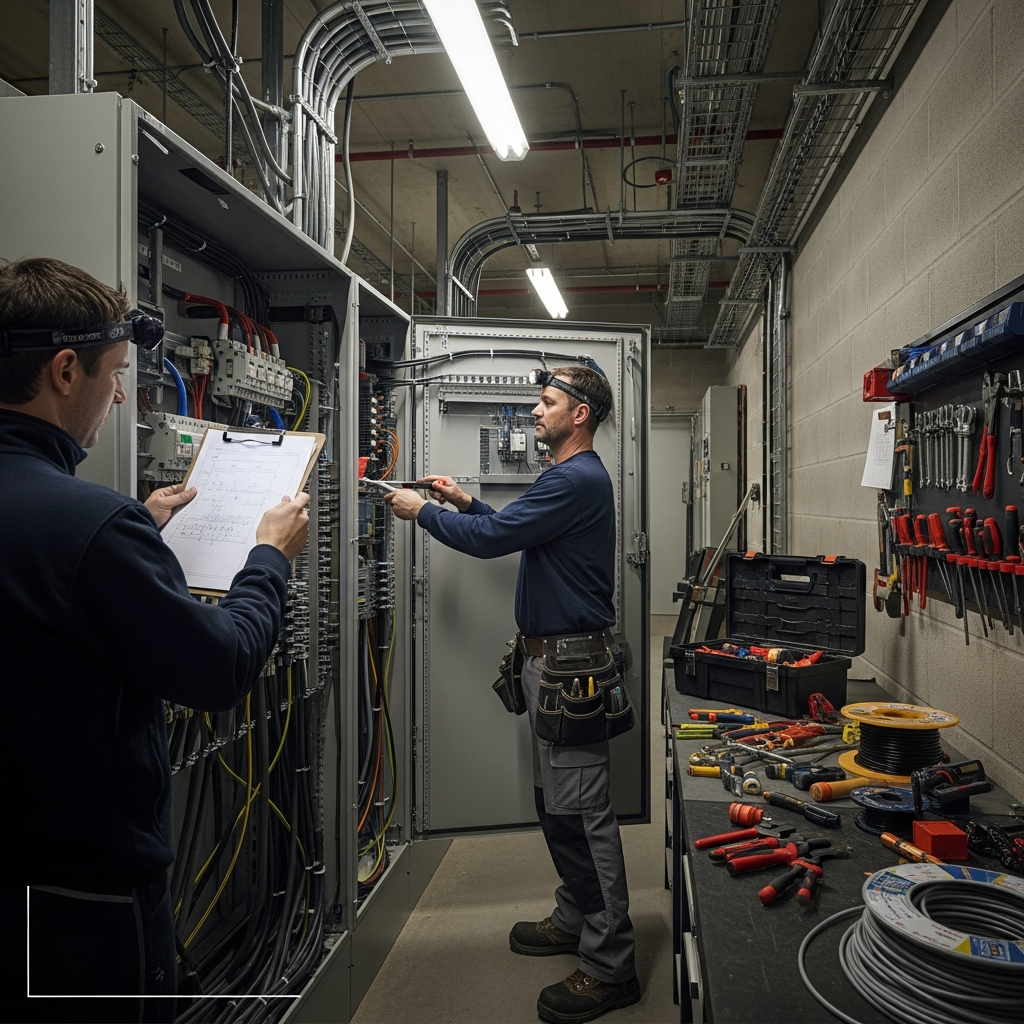
New modeling tools help engineers and utilities sharpen the numbers. Good. In the field, the panel still has to be opened and checked. Labels may be wrong. Neutrals may be doubled. Gutters may be packed too tight. You may find heat marks, missing blanks, water damage, abandoned pipe, or circuits feeding rooms that were remodeled three tenants ago. That is not unusual. It just means the electrician has to verify before committing to the change.
Steel City Electric treats commercial power work like an active operation, because that is what it is. When we get called for commercial electrical repair on tripping breakers, hot equipment, or failing panels, the repair often points back to capacity. A bad breaker might be the visible problem. A loose lug might be the immediate hazard. A full panel with no spare spaces may be the bigger warning.
Panel upgrades can look simple from the office and turn into a tight job once the ceiling tiles come down. Conduit routes may be blocked. Existing raceways may not take the new conductors. The utility may only disconnect during a narrow window. Inspectors may want corrections before power is restored. None of that is rare. It is normal commercial electrical work, but it needs someone watching the sequence.
The update from the power-grid-model side points to the same thing service electricians already know. Guessing costs more now. Buildings keep adding controls, HVAC load, lighting changes, equipment, chargers, and tenant-specific circuits. Even commercial lighting installation and repair can change the load picture when emergency lighting, signs, exterior fixtures, photocells, timers, and control panels are included.
A solid panel upgrade should leave the owner with usable capacity, not just a clean-looking cover. There should be room for future circuits. Labels should make sense. Access should be safe. The service should match the way the business actually runs. If the work is done right, nobody thinks much about it after the crew leaves.
That is the point. Power stays on. Equipment runs cooler. The next change is not a surprise.