Hybrid Engine Breakthrough Puts Commercial Fleet Shops on Notice About Electrical Panel Upgrades
Reuters recently reported that Horse Powertrain and Repsol have been developing the H12 Concept hybrid engine, designed around Repsol’s renewable and organic Nexa-95 fuel. Most people will look at that story from the truck side. Fuel cost. Range. Emissions numbers. What the manufacturer is promising.
In the shop, it turns into something else.
Fleet garages and maintenance yards have to power the tools that support the new equipment. Chargers. Scan tools. Battery support units. Lifts. Air compressors. Vent fans. Office loads. Exterior lighting. It all lands on the same electrical system, and plenty of these buildings were wired when the work was lighter and less technical. We have walked into shops where the panel was already packed before anybody talked about adding hybrid service equipment.
That is where commercial electrical panel installation and upgrades becomes a real operational item. Not a cosmetic upgrade. Not something to push off until later. If breakers are hot, labels are wrong, spare spaces are gone, or capacity is being guessed from an old directory, the next equipment install can create a mess. Trips during service. Failed inspection. A lift sitting idle. Trucks waiting outside because one bay lost power again.
These problems usually do not look dramatic at first. The lights work. The compressor runs. Then the load changes. Morning startup hits. Two techs raise lifts. A charger kicks on. Somebody starts a welder or diagnostic station. Now the weak spots show up. Old feeders. Shared circuits from a past tenant. Disconnects that no longer match the way the building is used. Fleet shops are not steady-load offices. They get hit in bursts.
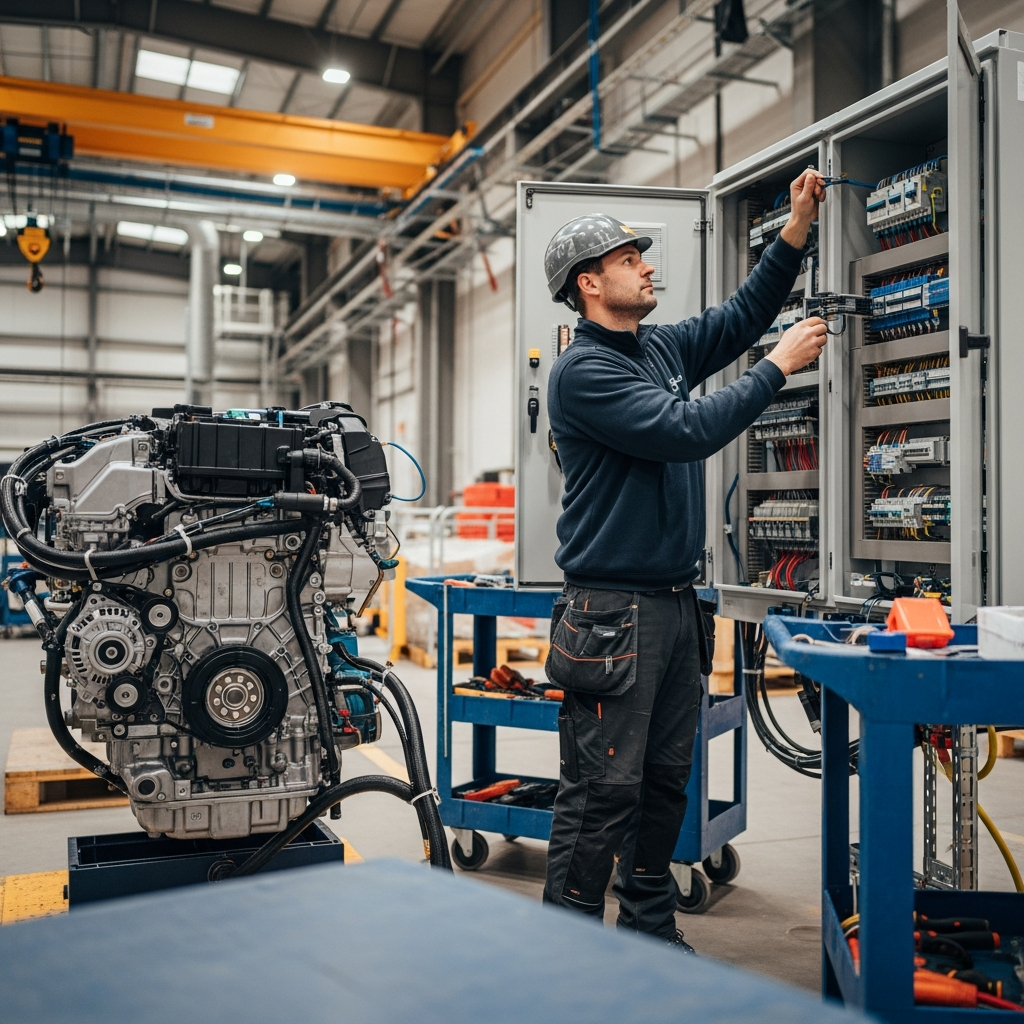
Before adding hybrid service gear, the panel deserves more than a quick peek with the cover off. Capacity needs to be checked. Grounding and bonding need to be right. Clearances matter. Breaker condition matters. Panel age matters. Future load matters too, because nobody wants to open walls twice if the next round of equipment is already being discussed. Sometimes a subpanel solves it. Sometimes the main panel has to go. Sometimes the service equipment upstream is the real limit.
Steel City Electric has dealt with this kind of pressure in active properties. At Stoneybrooke Clubside Condominiums in Sarasota, our work included emergency power restoration, underground feeder repair, generator deployment, and restoration of condominium electrical infrastructure while residents still needed power. Different building, same jobsite truth. The work has to be planned around people who cannot just stop using the property.
Fleet facilities have the same issue. Access is tight. Schedules are tight. Panel work may need to happen after hours, in sections, or with temporary power figured out ahead of time. If a shop is adding service lanes or preparing for newer platforms, getting a licensed commercial electrician involved early can keep the electrical scope from becoming the surprise cost at the end.
Steel City Electric also provides broader commercial electrical services for facilities that need more than a panel change, including troubleshooting existing circuits, correcting unsafe conditions, and planning electrical work around daily operations.
New engines and cleaner fuels will keep getting attention. Inside the maintenance building, the question is more basic. Can the power system carry the work without fighting the crew all week? If nobody is sure, start at the panel.