
Power Grid Model I/O 1.3.68 makes shaky load data a bigger problem for commercial electrical panel installations and upgrades
Power Grid Model Input/Output recently posted the 1.3.68 release. Most people on a commercial jobsite will never read that note. Still, the same issue shows up in the electrical room all the time. A model runs on the numbers somebody gives it. If the load data is wrong, the output is dressed-up wrong. On a panel installation, that can mean feeders sized off bad information, gear that is too tight, breakers tripping for no mystery reason, or a shutdown that drags past the window everybody promised.
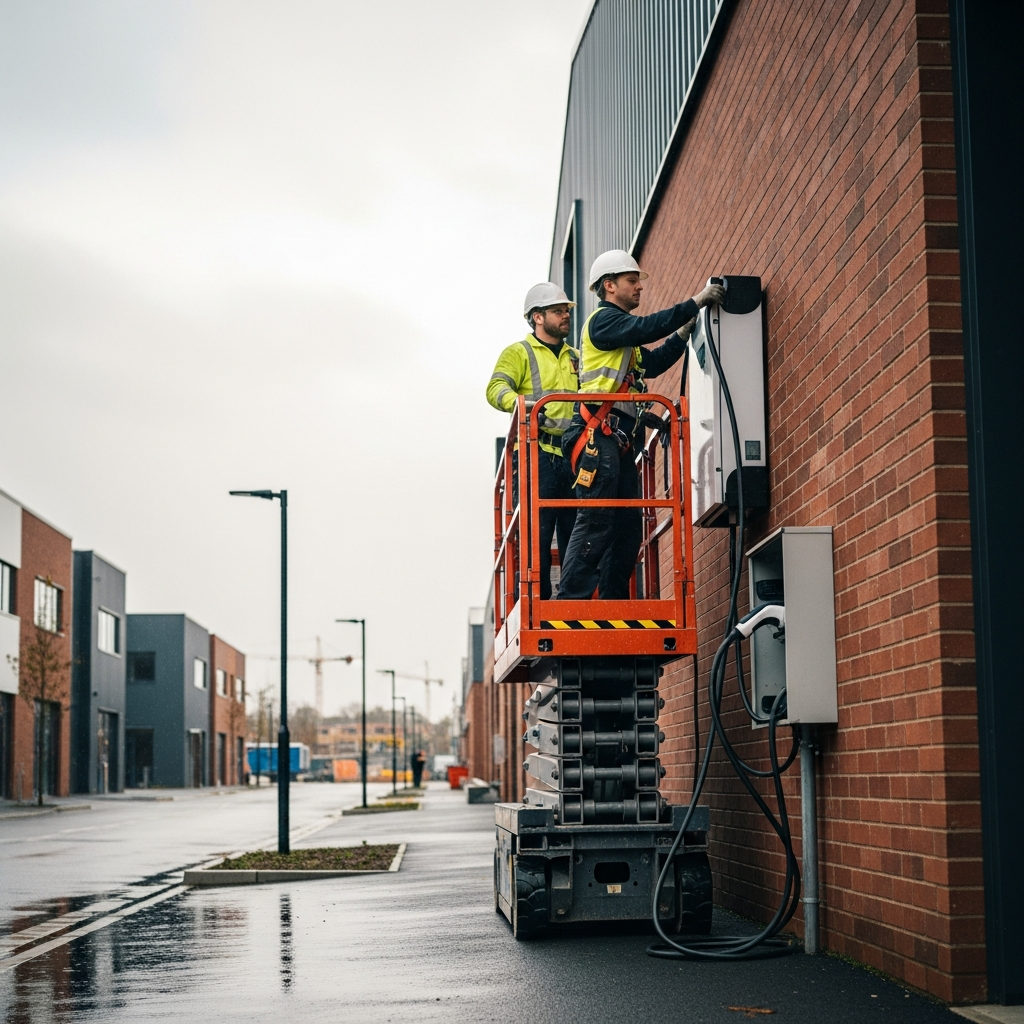
With commercial electrical panel installation and upgrade work, the load picture needs to be checked before the crew starts making up conductors. A restaurant adds ovens and refrigeration. A clinic adds imaging equipment. A retail tenant changes out HVAC. Looks simple until the panel schedule does not match the building. The “spare” breaker is feeding something. A circuit got moved five years ago and nobody updated the directory. Now the panel change is not a swap. It is a hunt.
Older commercial buildings and multi-tenant properties are where this gets ugly. Utility records say one thing. The label inside the dead front says another. The clamp meter tells the truth, usually at the worst time. If an owner, engineer, or contractor builds the plan from paperwork only, the service may already be carrying more strain than anyone accounted for. Software is not the villain there. Skipping the field check is.
A panel upgrade has more moving parts than the new can and breakers. Occupied space. Night work. Utility disconnects. Grounding. Available fault current. Breaker fitment. Existing feeders that may or may not be usable. Sometimes the old conductors are fine. Other times the insulation is cooked, the conduit is stuffed, or the underground path is nowhere near where the drawing says it is.
Steel City Electric has run into that kind of infrastructure on real sites, including Stoneybrooke Clubside Condominiums in Sarasota. That work involved emergency power restoration, generator deployment, underground feeder repair, and electrical restoration in an occupied building. Not a clean empty shell. People were living around the work. In that setting, assumptions burn hours fast.
Bad load information also hits downtime. Order the new panel around incomplete data and the problem may not show itself until the shutdown starts. Then circuits need to be split up. Breakers do not match the actual loads. Service gear has damage or conditions nobody captured during planning. Finding that at 2 a.m. with tenants waiting to open is not where anyone wants to be.
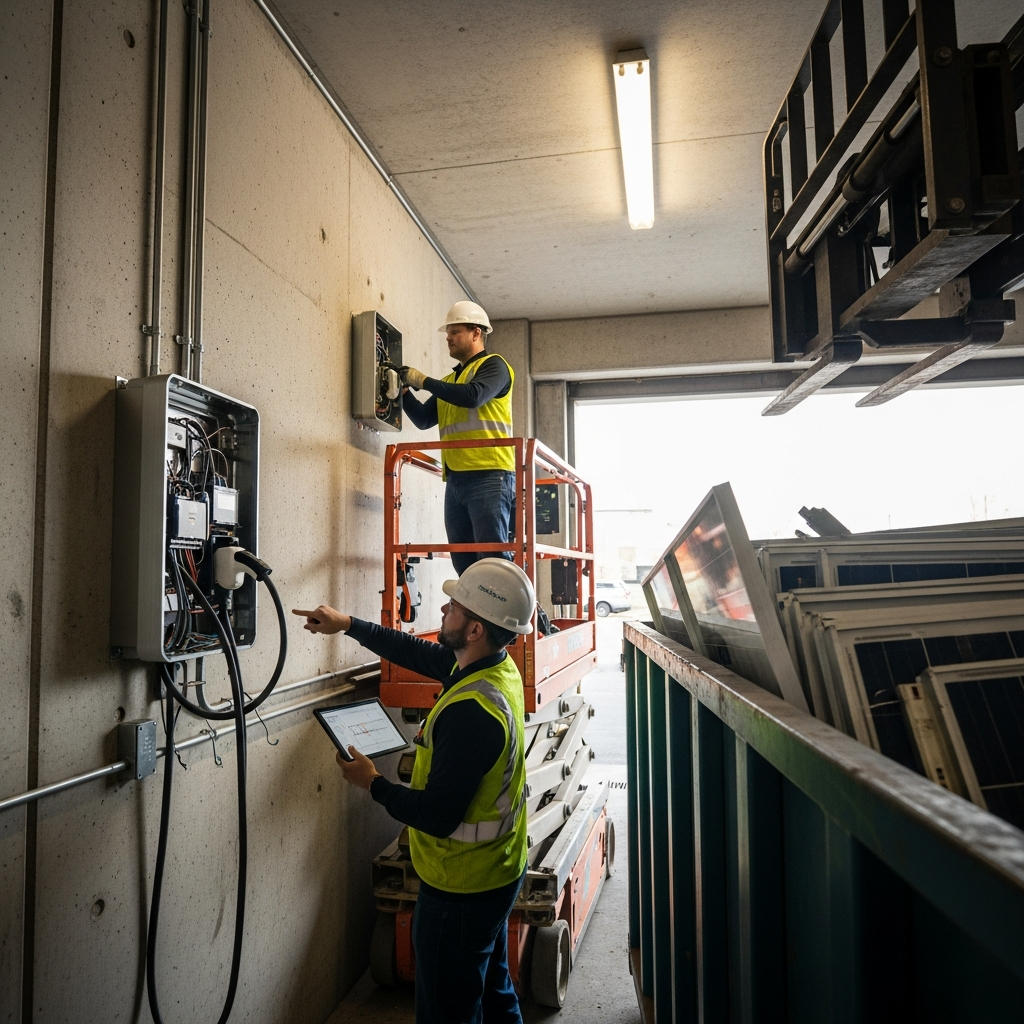
That is why the basic field work still matters. Clamp readings. Panel schedule verification. Opening covers where it is safe to do so. Looking at tenant equipment. Checking future capacity instead of only today’s load. For owners planning commercial panel upgrades, better information before the shutdown usually means a cleaner install. Not perfect. Jobs still fight back. But the surprises get smaller.
Grid modeling keeps getting more detailed. Buildings do not get neater just because the model does. Panels get added. Loads move. Equipment gets swapped. Notes disappear. A solid commercial panel installation plan has to start with the mess that is actually in the room.