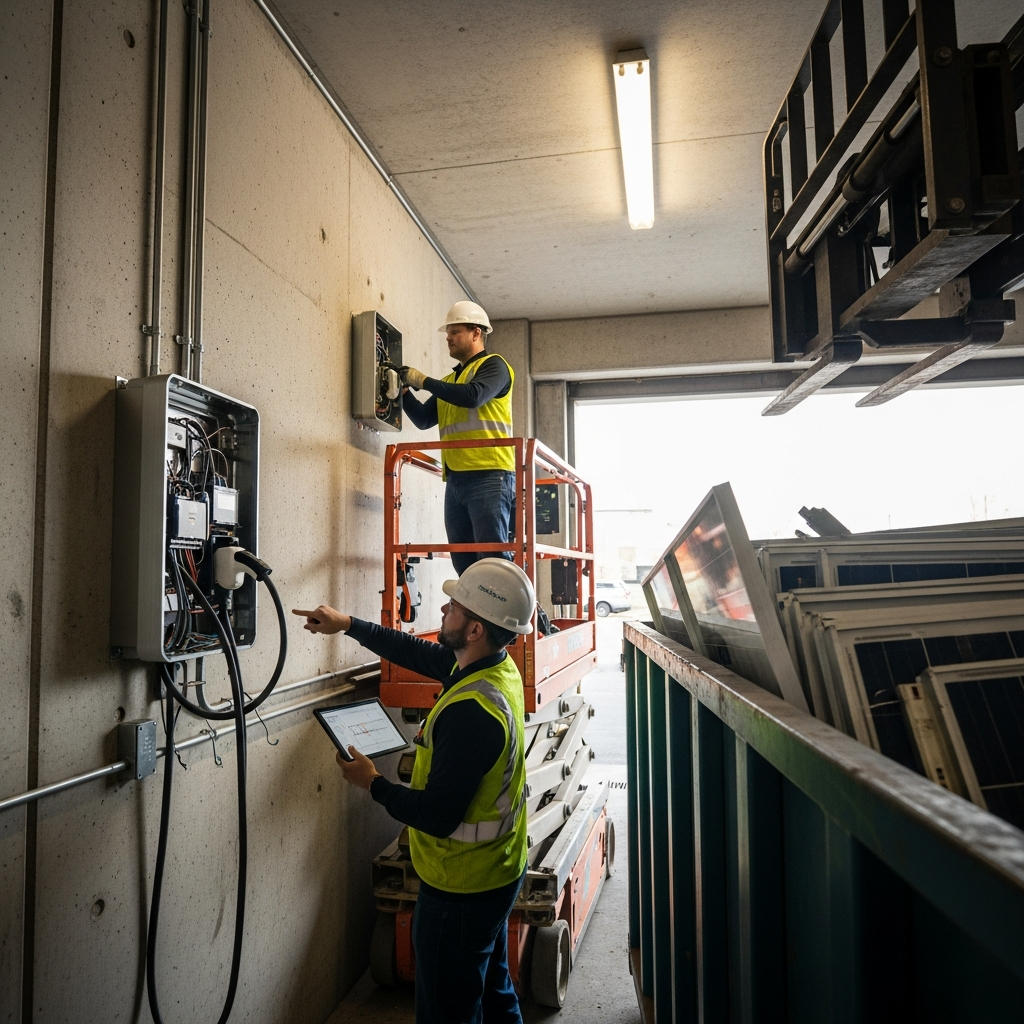
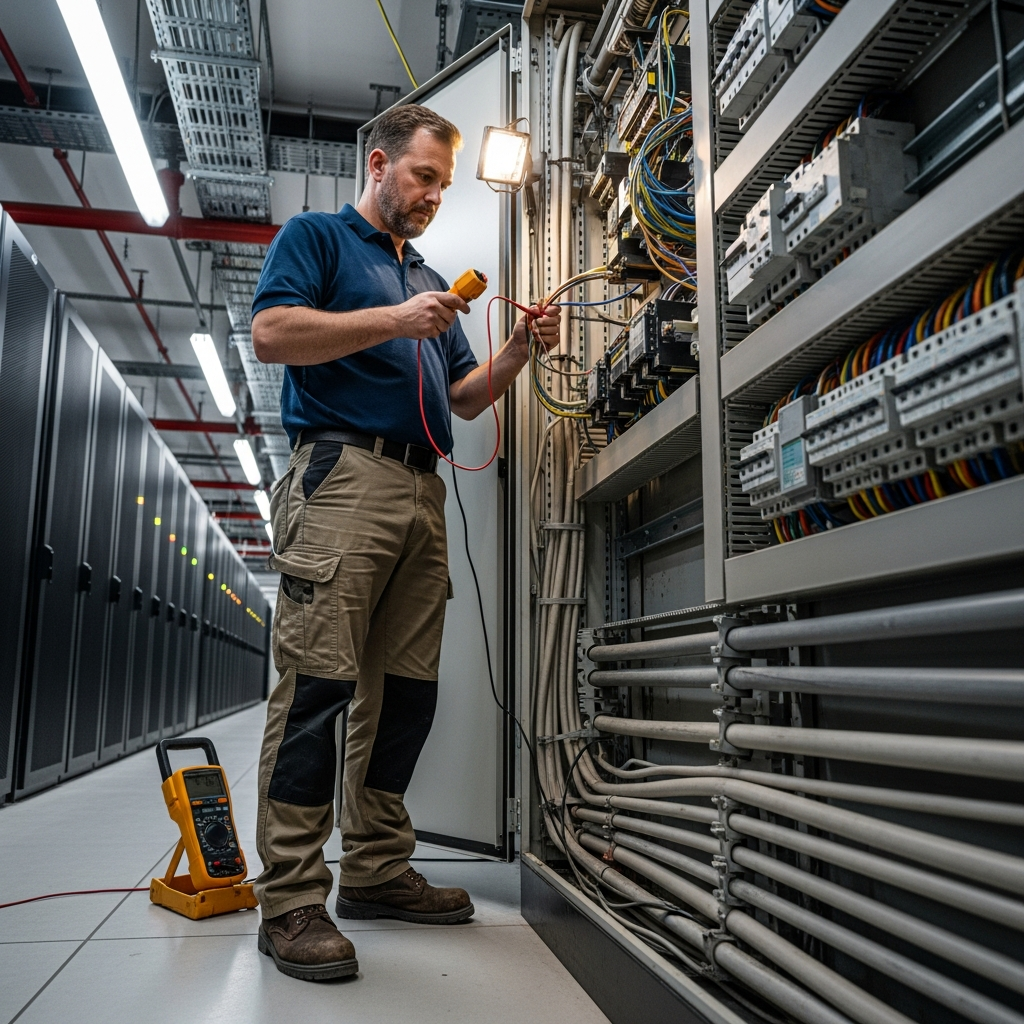
Plenty of electrical problems on a commercial or industrial property never had much to do with the power company. The issue is usually sitting inside the building already. Hot gear. A panel that has been running warm for months. Conduit cracked behind equipment. A disconnect that keeps getting reset because production needs to move, even though nobody has fixed the real fault yet. We run into this after new machinery is added, lift stations start cycling more than expected, outdoor panels sit in rain and heat, or old service gear gets asked to feed loads it was never sized for. Then the next piece of equipment starts up. Lights sag. A breaker trips again. The crew stands around waiting.
There is a lot of talk right now about getting grid connections, generation, pipelines, and transmission work moving faster. That may help large power users get capacity closer to the property. Recent reporting from Utility Dive said federal agencies and Congress are looking at ways to speed up grid interconnections and related energy infrastructure as demand keeps climbing. Data centers care about that. So do manufacturers, cold storage buildings, logistics yards, pump systems, and other heavy users. But power at the property line is not the same as power that is ready to run safely inside the plant. Weak switchgear, undersized feeders, bad underground conduit, corroded enclosures, and repairs that keep getting pushed off can turn added capacity into another shutdown.
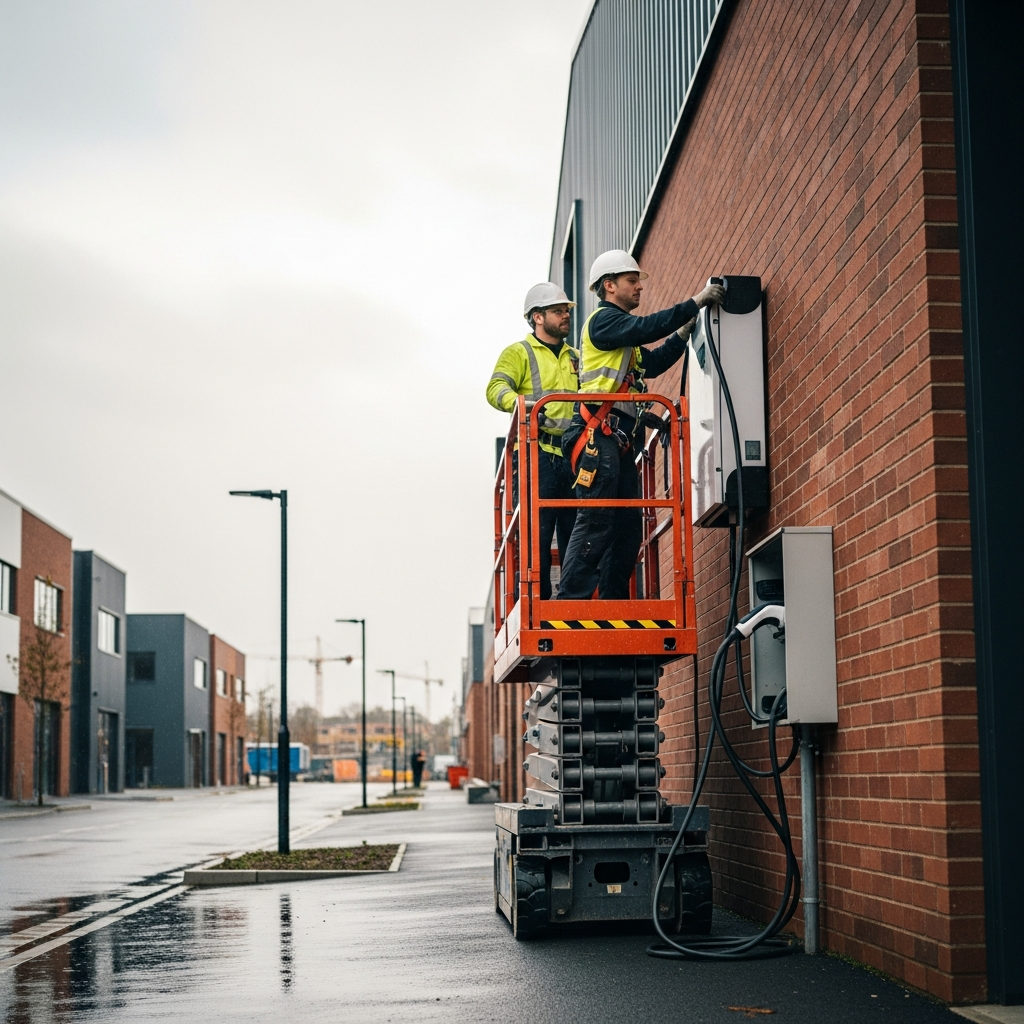
Steel City Electric handles the part of the job that usually shows up after the announcement and before the outage gets worse. Our commercial-industrial electrical repair work is not flashy. It is failed contactors, burned lugs, loose terminations, water inside gear, feeder faults, damaged raceways, and panels that need real repair instead of another reset. We have also done heavier field work, including All Points Equipment in Palmetto, with underground conduit, trenching, an outdoor panel, utility coordination, lift station power, silo power, and electrical work for heavy equipment. Jobs like that are planned around dirt, access, clearances, weather, shutdown time, and what the site actually has to do every day.
If a facility is adding load or dealing with the same electrical problem over and over, waiting for something to burn up is not much of a plan. Gear should be checked before new equipment lands, especially around production, pumping, refrigeration, processing, or yard operations. Steel City Electric can inspect failing equipment, troubleshoot load problems, repair damaged infrastructure, and help sort out the next practical step through its commercial electrical services. Faster grid access may help in some areas. The building still has to be ready for it.