AI Factories Chasing Token Output Put Commercial Industrial Electrical Installation Under Real Uptime Pressure
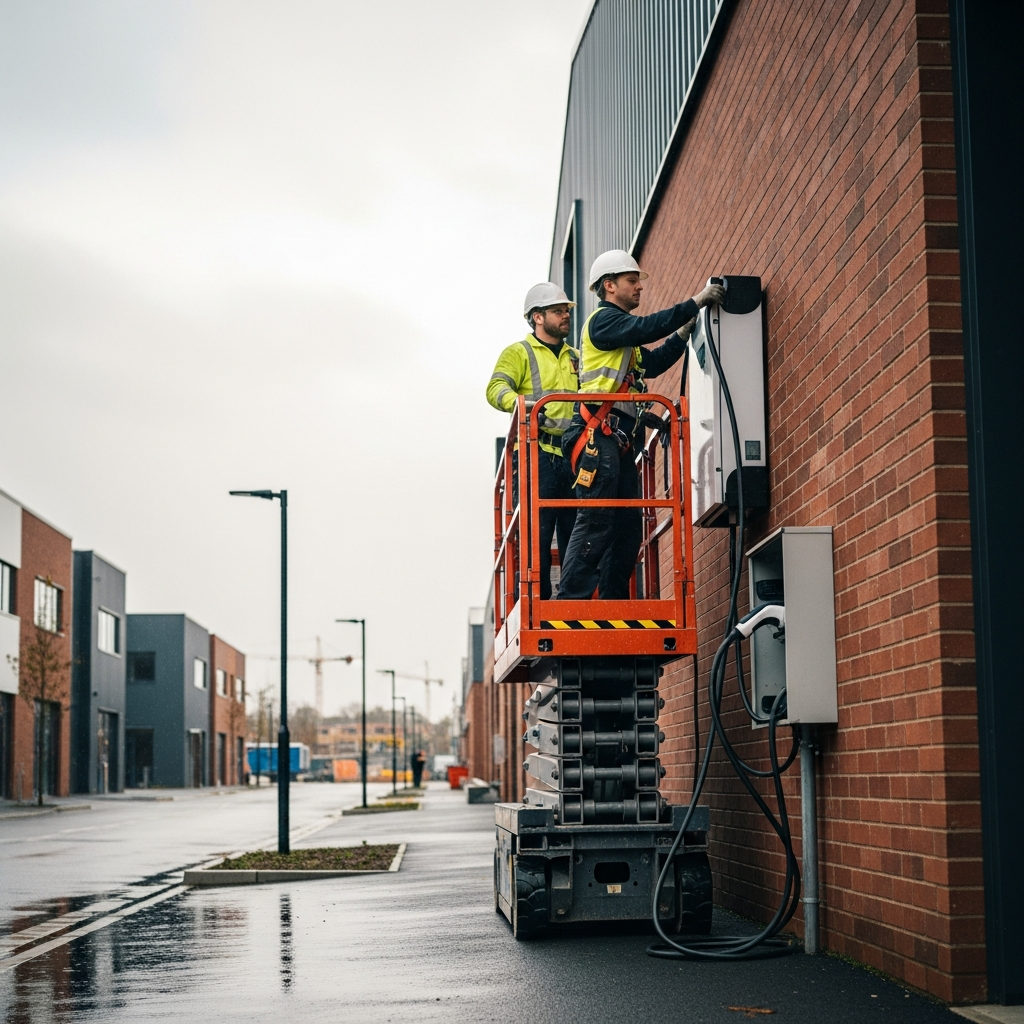
Most electrical problems show up in the room before they show up on a screen. You open the gear and see the heat marks. Breakers that have been reset too many times. Panels packed full, no spaces, no clean schedule, no one really sure what got added five years ago. Then a tenant wants more equipment, a bigger cooling load, longer hours, or backup power tied in. That old setup is suddenly expected to act like a heavy-duty plant. This is where Commercial Industrial Electrical Installation matters. Not as paperwork. As whether the building can run without babysitting it every week.
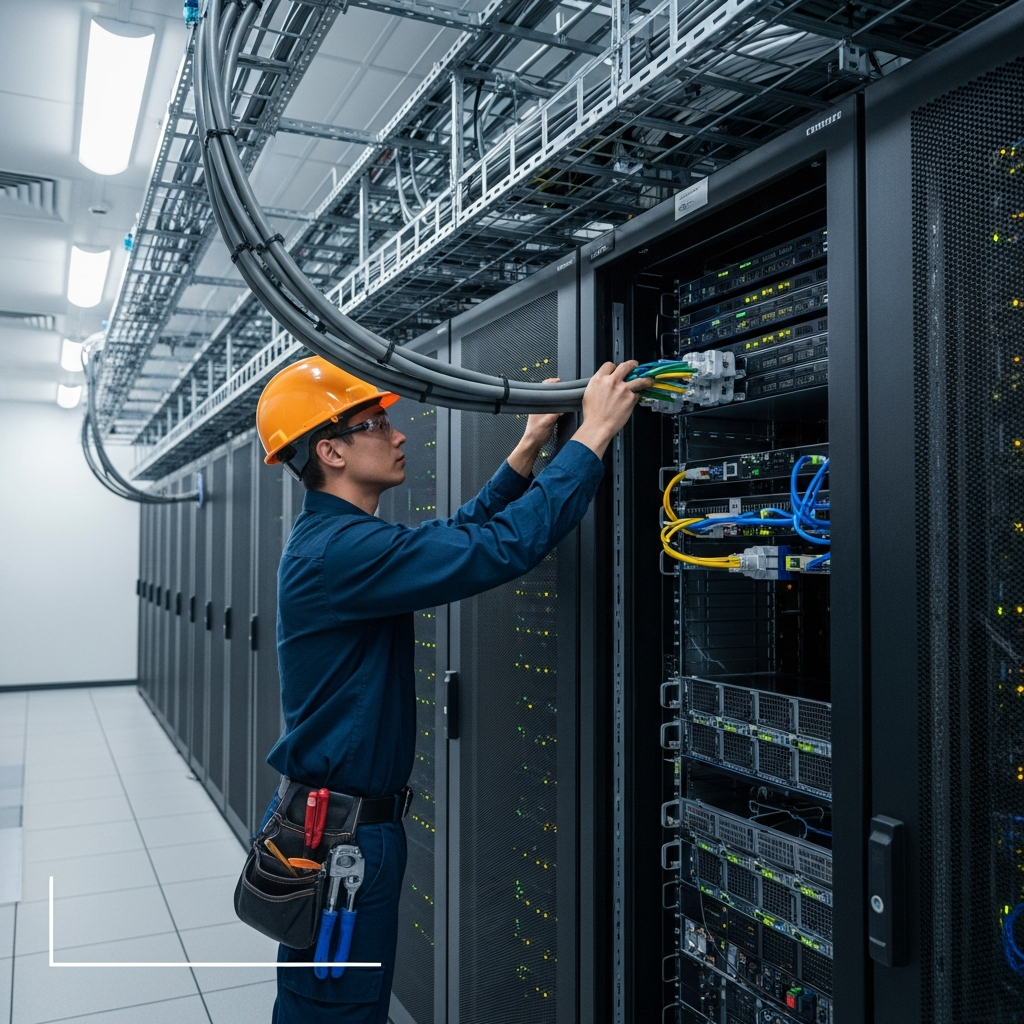
AI factory work makes the gap harder to hide. Those loads do not behave like a small office buildout. Power draw is high, cooling is tied right to production, and a short outage can knock equipment out of sequence fast. NVIDIA recently pointed to the value of usable GPU time in its report on accelerating token production in AI factories. That may sound like a tech problem, but out in the building it turns into feeders, grounding, switchgear, panel capacity, cable routing, and what happens when something trips at the wrong time. The install has to hold up with actual load on it, not just look good in a submittal.
Steel City Electric has dealt with this same kind of planning on commercial tenant jobs such as Foot Locker Tampa, where the power layout had to support the space from day one instead of getting patched together later.
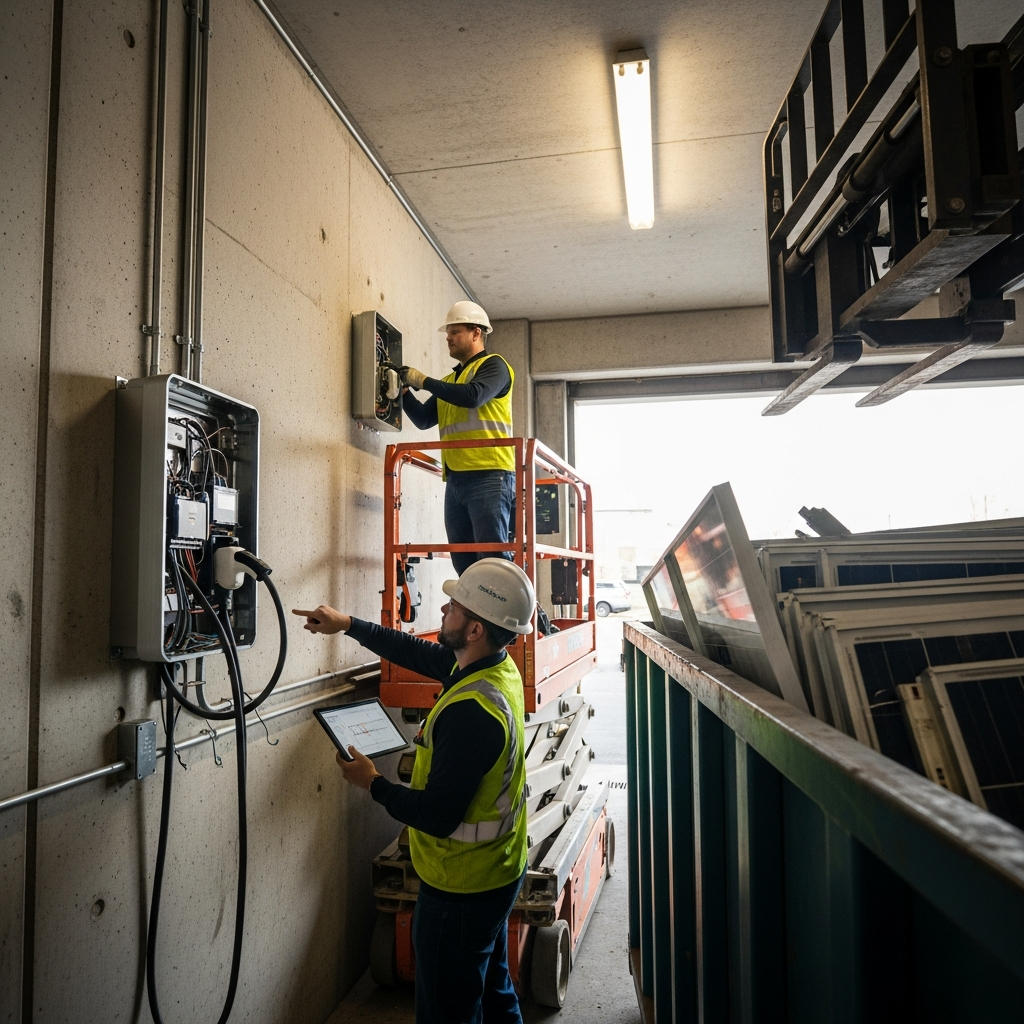
The trouble spots are usually not mysterious. Undersized panels. Old disconnects nobody wants to touch. Poor labeling. Added circuits stacked on top of older work. HVAC and production equipment fighting for capacity. A warehouse or industrial space might run fine on a quiet Tuesday, then start showing problems when the owner adds automation, chargers, racks, compressors, or longer operating hours. A solid commercial industrial electrical installation needs room for service capacity, code clearance, equipment access, future work, and fast isolation when a crew has to find a problem under pressure.
Keeping a facility online is not only about generators or buying newer gear. It starts with clean conduit runs, correct wiring methods, tight terminations, clear labeling, and a service layout that makes sense when people are standing there during a shutdown. For buildings taking on heavier demand, Steel City Electric can walk the existing conditions, plan the installation, and handle the field work through its commercial electrical services team before a small capacity issue turns into downtime.