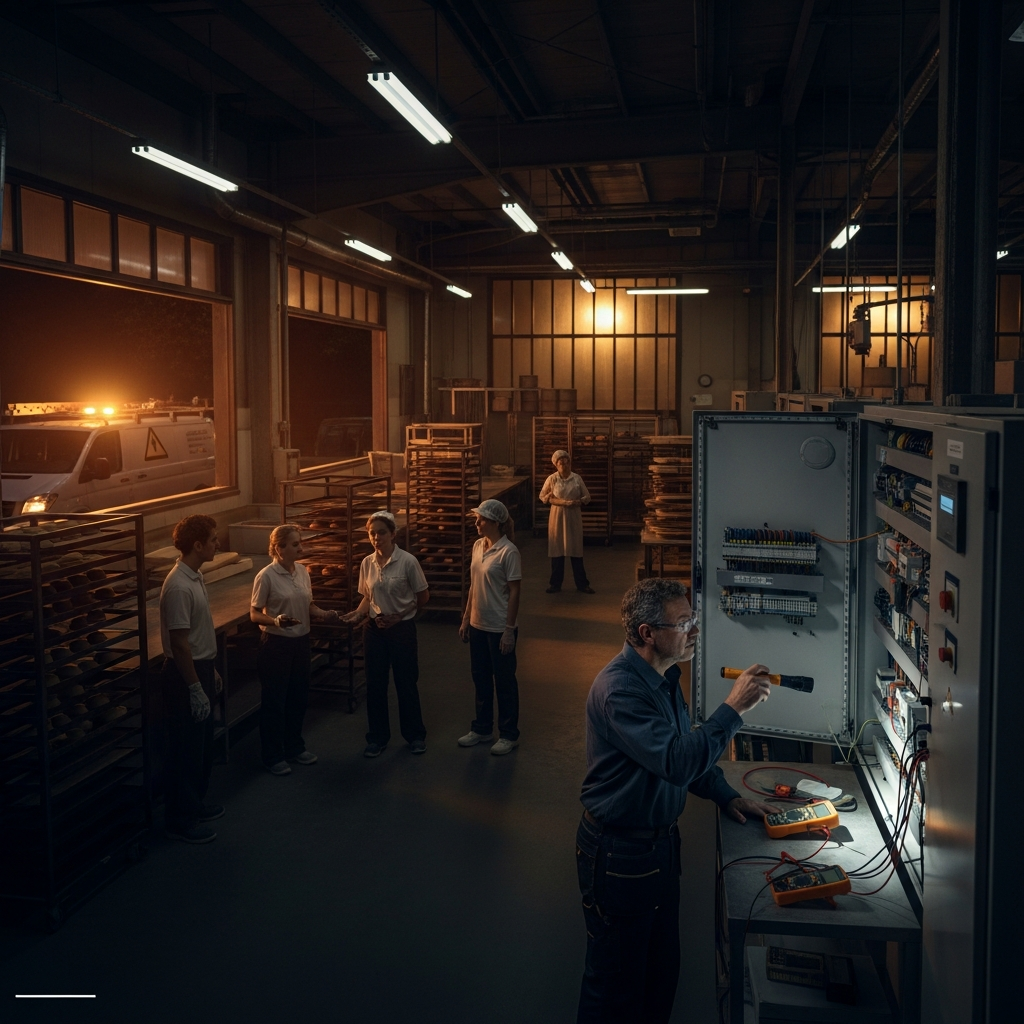
Walk into a busy strip plaza on a Friday afternoon and you can almost feel it. The cooler in the back hums a little louder than it should. The lights flicker when the rooftop unit kicks on. Nobody has called an electrician yet because nothing is broken, exactly. But something is working harder than it was designed to.
Power grid modeling tools have come a long way, and the latest release of power-grid-model-io 1.3.67 is one of those quiet updates that says a lot about where commercial electrical demand is heading. Engineers are using these models to simulate load behavior, fault conditions and capacity limits before a single conduit goes in the ground. That kind of planning matters more every year, especially for buildings that were wired for a much simpler version of themselves.
A recent pypi.org, “power-grid-model-io 1.3.67” highlights how this issue is becoming more common across commercial properties. The math behind these tools keeps getting sharper, but the buildings on the receiving end often haven’t kept up.
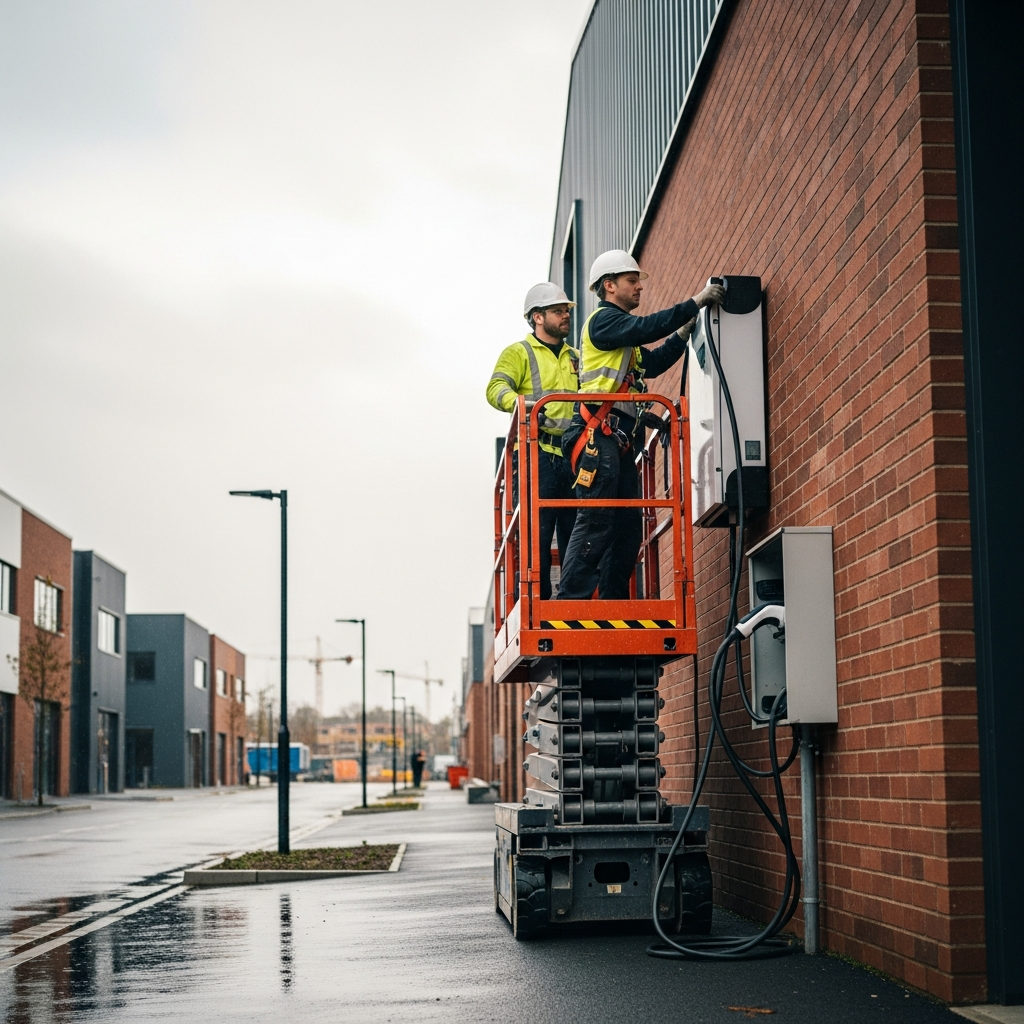
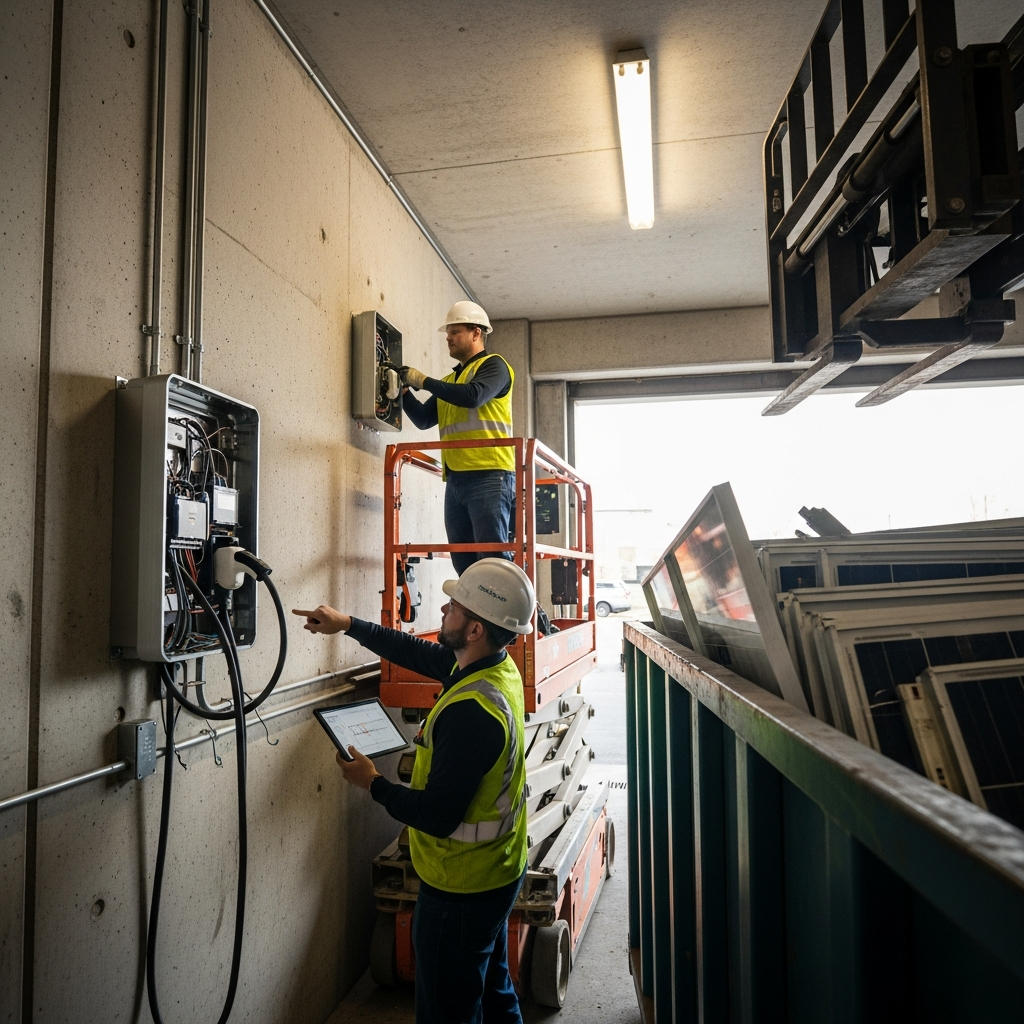
Honestly, most of the panels we see in older retail plazas and small industrial buildings around Bradenton and Sarasota were not built for what’s plugged into them today. POS systems, refrigeration, HVAC upgrades, EV chargers, kitchen equipment. It adds up fast. A panel upgrade is not glamorous work, but it’s usually the difference between a building that runs clean and one that nuisance-trips every Friday afternoon.
If your breakers feel warm or you’re resetting more than you used to, that’s the building telling you something. Pair the upgrade with proper service capacity and you stop chasing the same problem twice.
steelcityelectricfl.com/24-7-emergency-electrical-repair-blog