Picture a row of EVs pulling into a commercial lot during a shift change, and half the stations won’t hand off power. Drivers waiting. Schedules slipping. That kind of breakdown is exactly the warning behind ABC News, “Passengers stranded in moving traffic after robotaxi outage in China’s Wuhan” — when the technology shows up but the infrastructure underneath isn’t ready, the whole operation stalls.
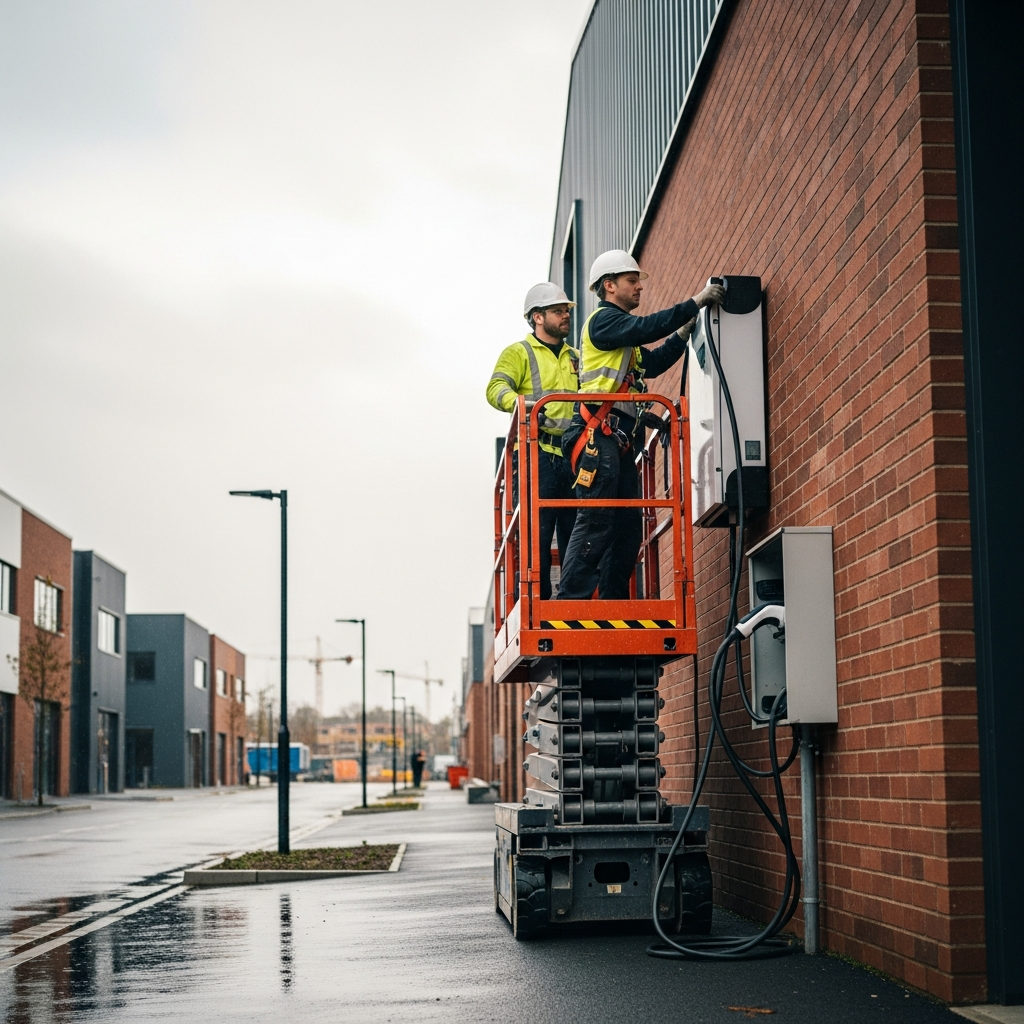
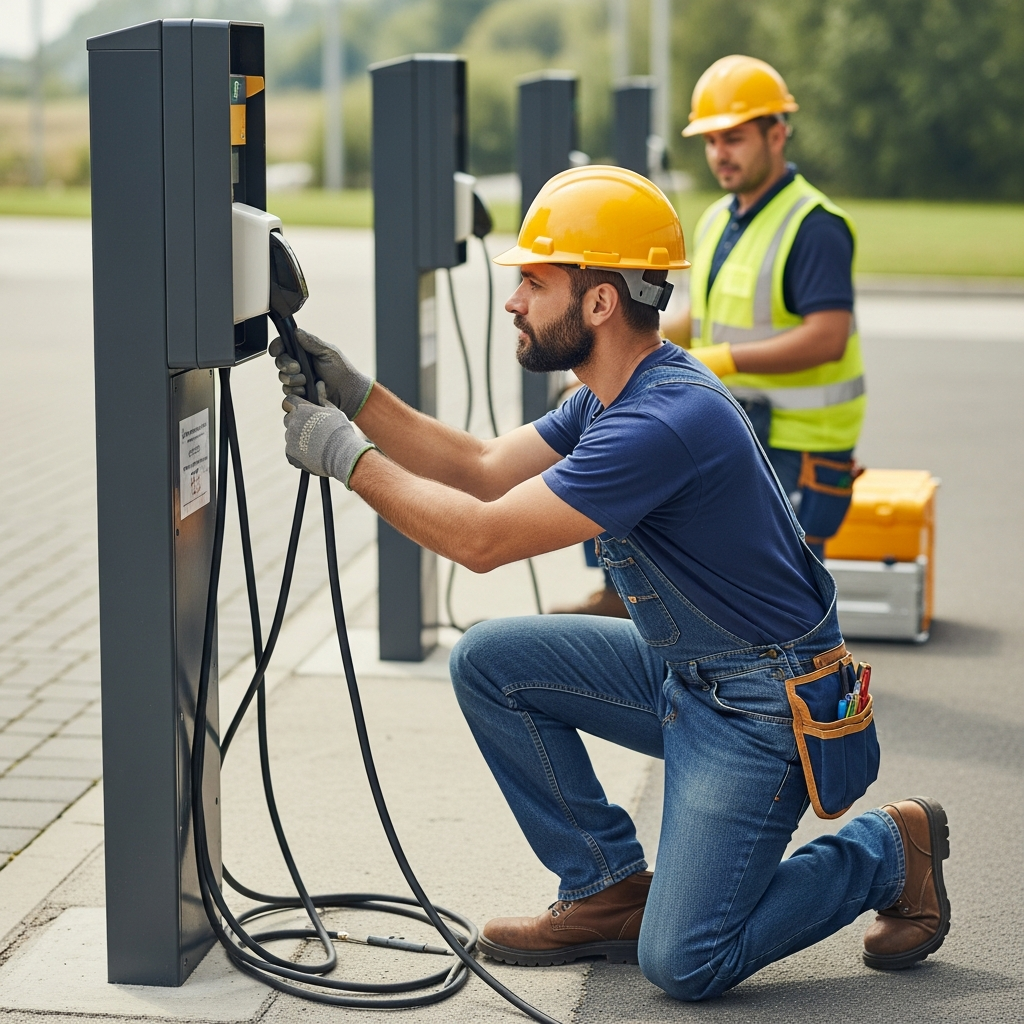
For Florida commercial properties, the lesson hits closer to home than it sounds. A commercial EV charger installation isn’t just bolting a unit to a pole. The site has to handle real load, sometimes 60 to 200 amps per station, and that load runs for hours not minutes. Honestly most of the headaches I see come from properties that added chargers without checking what the building service could actually carry.
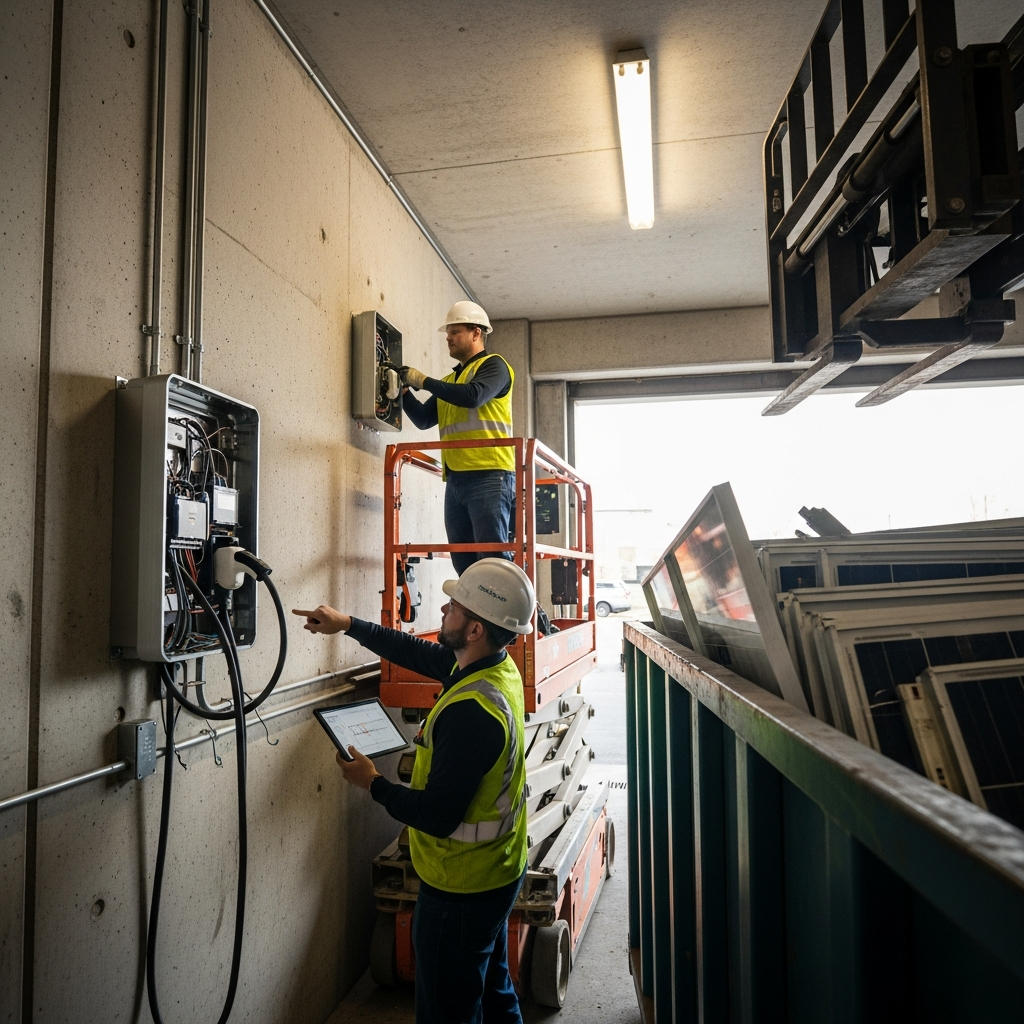
The chargers themselves rarely fail first. The weak link is usually upstream. Undersized service, conduit that wasn’t planned for future stations or a panel already close to capacity before anyone mentioned EVs. By the time a tenant complains about slow charging or stations dropping out, the fix is bigger than it had to be.
If you’re adding chargers to a hotel, retail center or fleet yard, plan the load first. Build the conduit pathways for what’s coming, not just what’s installed today. And if the building is already pushing its limits, get the service capacity sorted before the first stall is striped. Otherwise the drivers pull in and the chargers aren’t ready.
steelcityelectricfl.com/EV charger installation