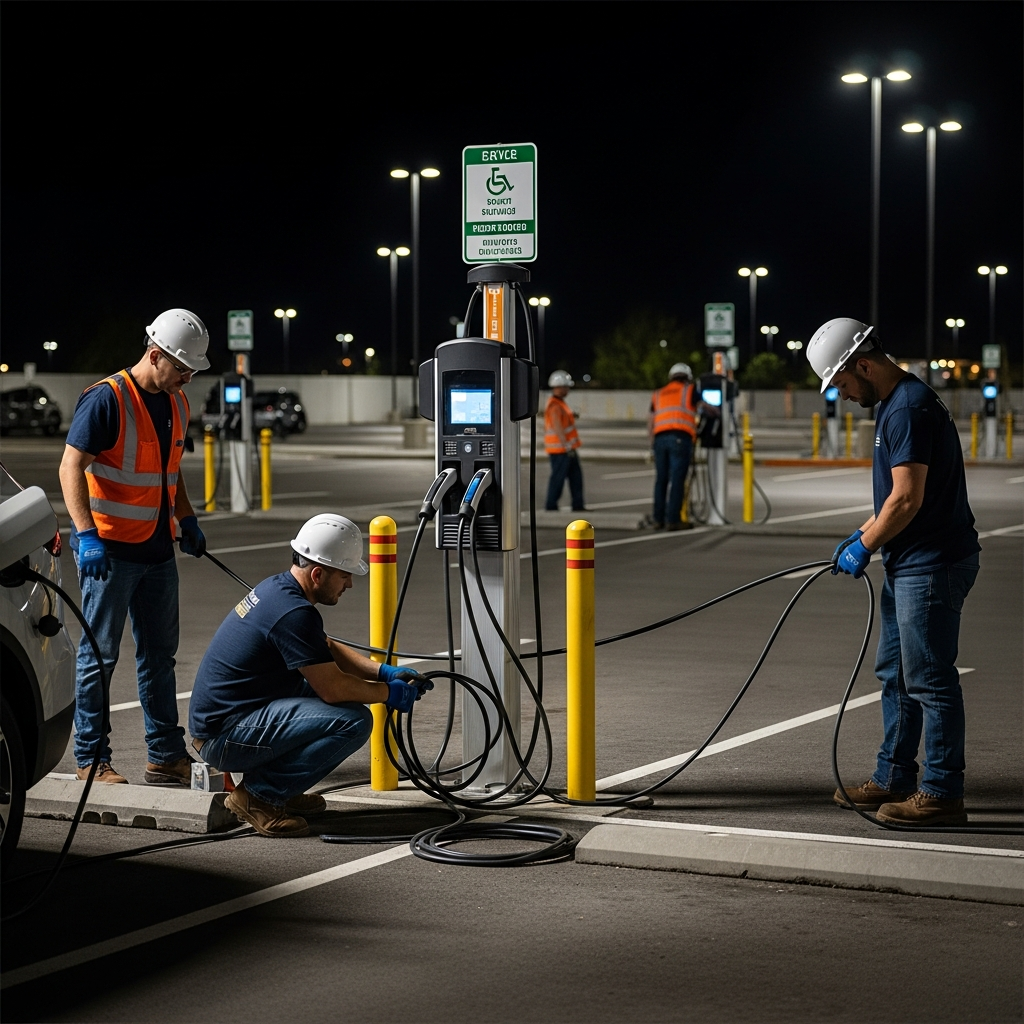
A driver pulls into a parking lot after a long day, swings into the only open EV stall, plugs in, and waits. Nothing. The screen on the unit lights up but the car never starts pulling power. They try the next stall over. Same result. From the outside, it looks like the chargers are broken. They aren’t. The hardware is doing exactly what it was told to do, the problem is sitting somewhere a driver will never see.
That kind of moment makes people lose trust in a property fast. It happens more than most owners realize, and usually has nothing to do with the car. The charger is fine. The station hardware is fine. What failed sits behind the wall, in the conduit, the service capacity or the way the original install was scoped in the first place.
What happens when a fleet of vehicles loses access to charging at the worst possible moment? That’s the concern raised by seattlepi.com, “Passengers stranded in moving traffic after robotaxi outage in China’s Wuhan”. The story is about autonomous taxis, but the underlying point hits close to home for any commercial property running EV infrastructure. When the charging side of the equation goes quiet, the whole operation stalls.
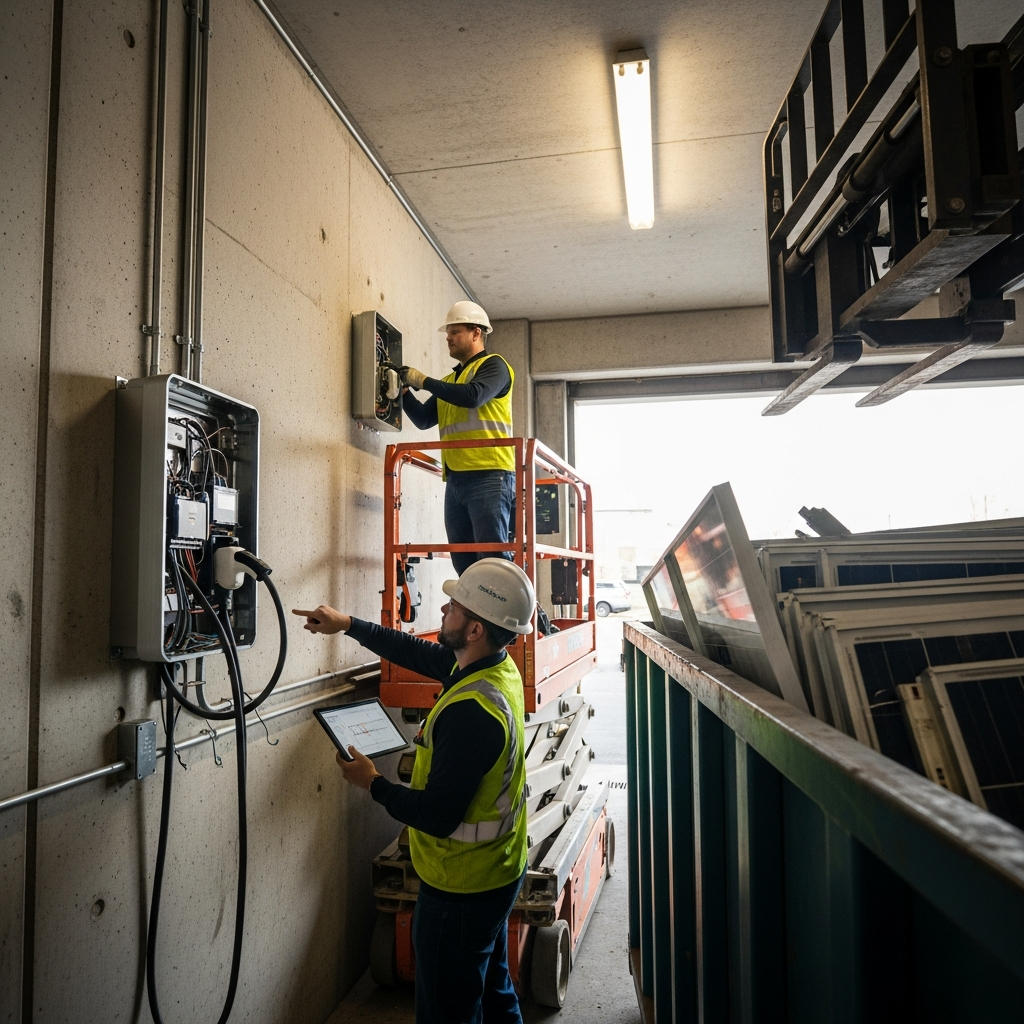
Honestly, a lot of the dead-charger calls we get trace back to undersized service or load planning that didn’t account for real-world usage. A property adds two more chargers, nobody recalculates demand and the whole bank starts behaving unpredictably. Sometimes one unit works. Sometimes none do.
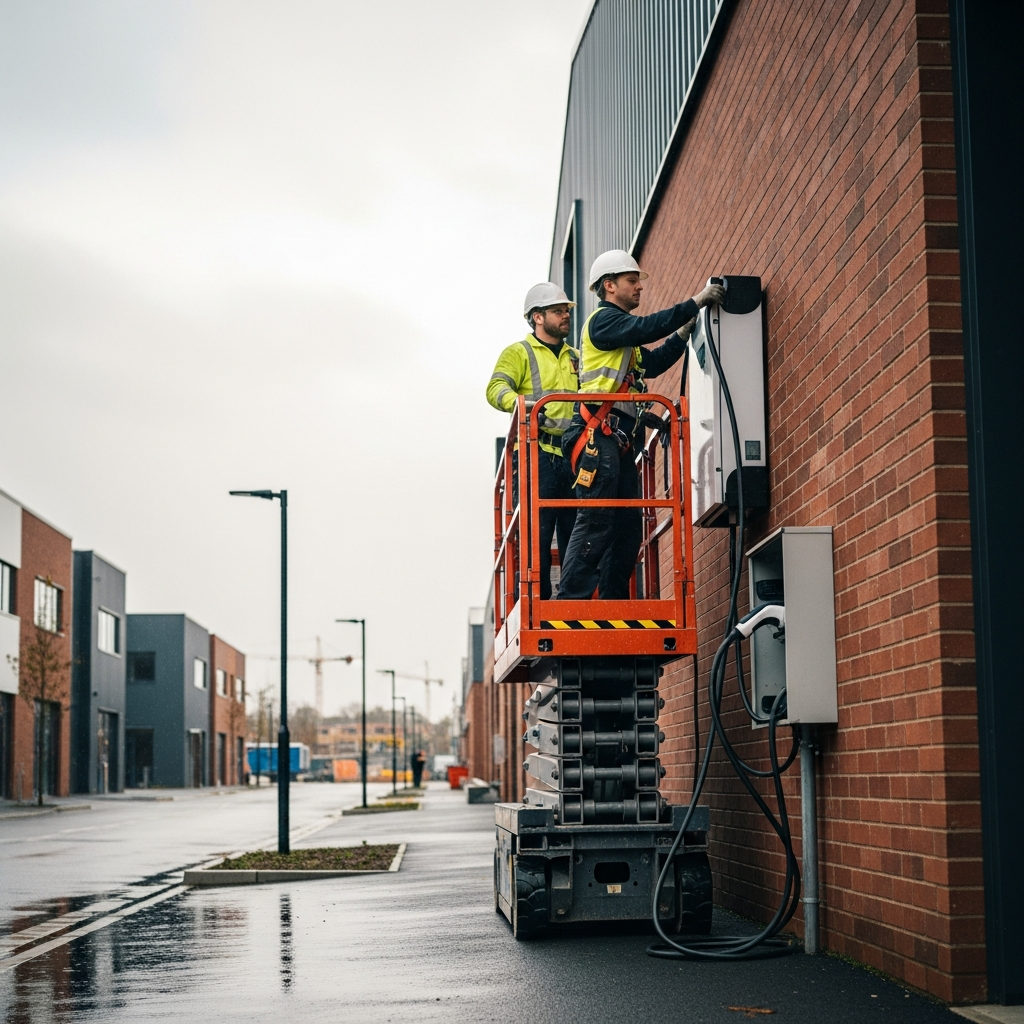
A proper commercial EV charger installation isn’t just bolting a unit to a pole. It’s conduit routing, service capacity, panel headroom and a load plan that fits how the site actually gets used. Skip that part and drivers end up sitting in your lot, plugged into nothing.
steelcityelectricfl.com/EV charger installation