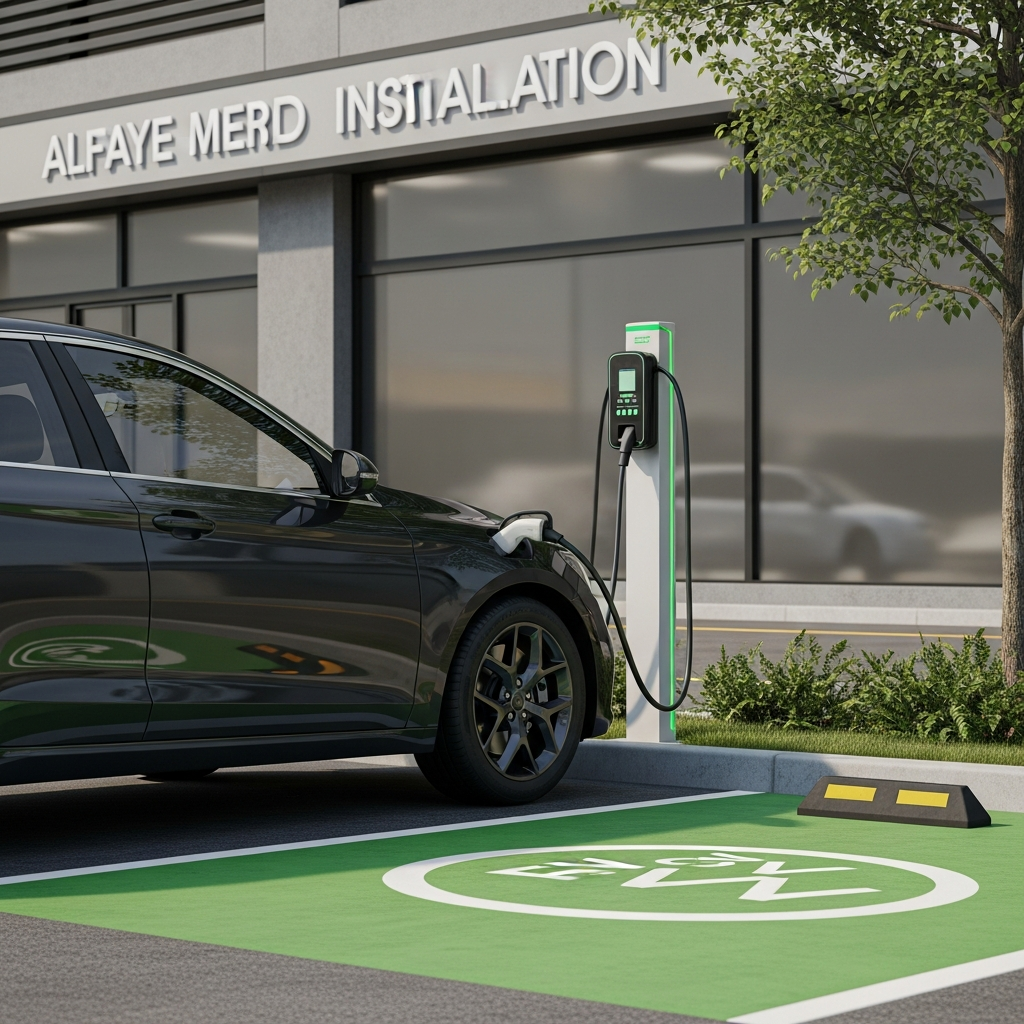
Picture a row of drivers pulling into a charging plaza, plugging in, and getting nothing. No handshake, no kilowatts, no reason given. That’s basically what happened on a larger scale in Wuhan when more than 100 Baidu robotaxis froze mid-route, and it’s a useful reminder that charging infrastructure is only as reliable as the systems feeding it.
The Seattle PI piece, seattlepi.com, “Passengers stranded in moving traffic after robotaxi outage in China’s Wuhan” centers on a software failure, but the lesson for property owners here is hardware. A charger that won’t deliver power during a busy hour is a parking lot full of frustrated people and most of the time the cause sits upstream of the unit itself.
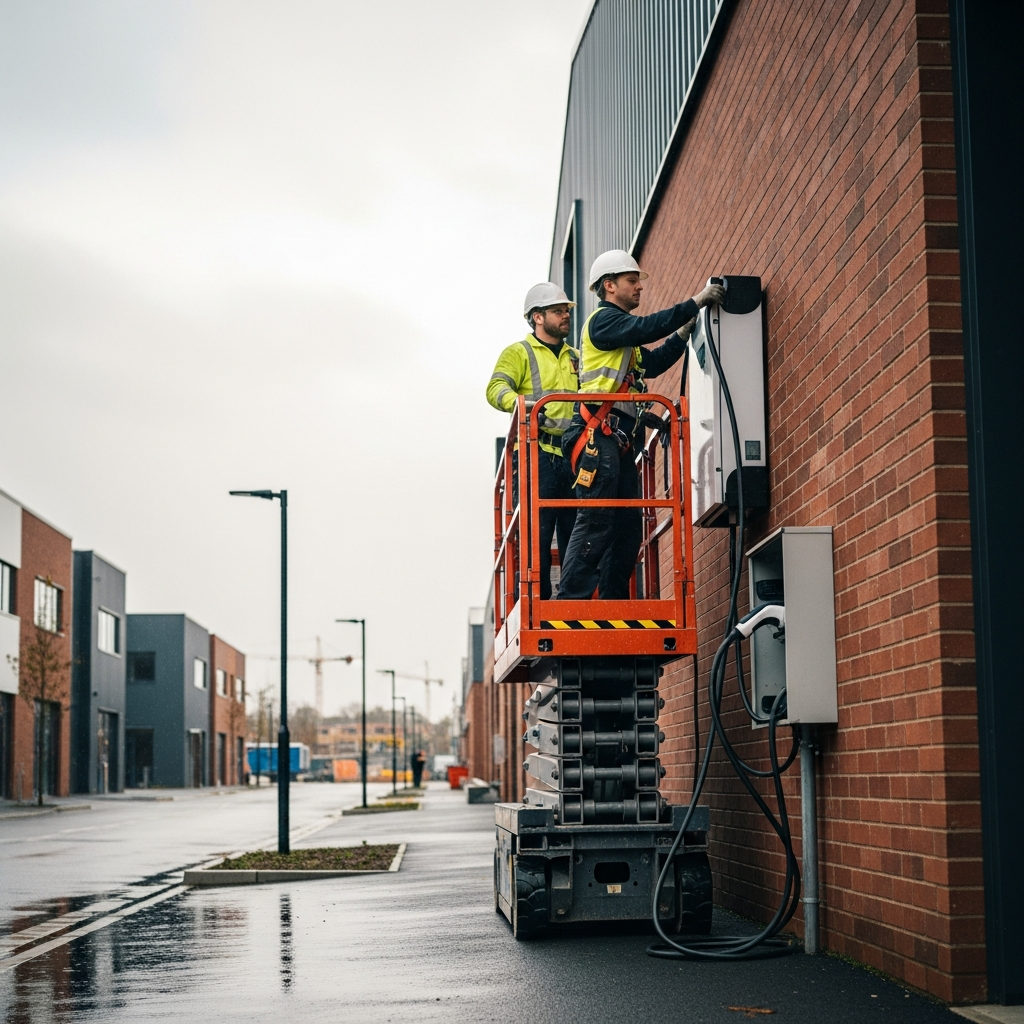
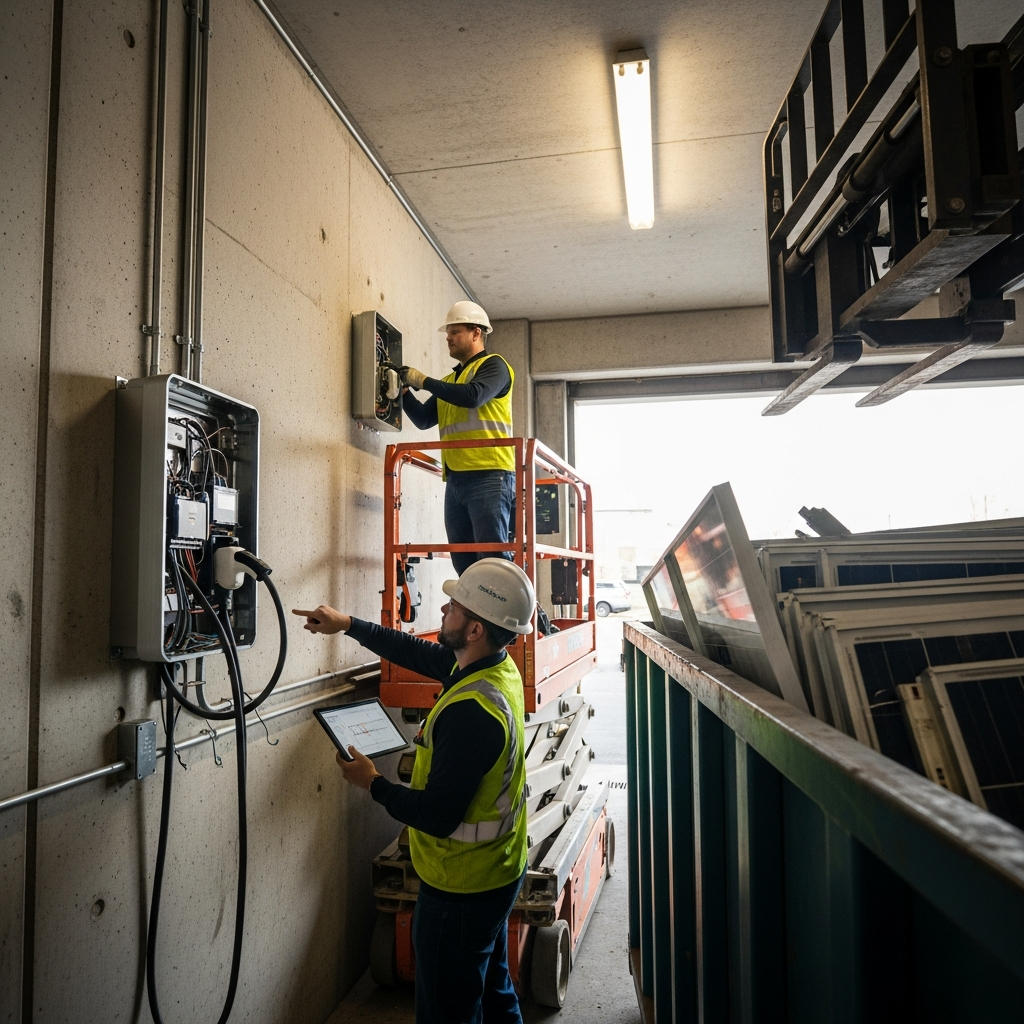
That’s where commercial EV charger installation gets interesting. Honestly, the chargers are the easy part. The harder work is sizing the service, planning conduit runs across a parking field, and confirming the building can actually carry the load without a panel upgrade or a new service entrance. Skip that step and you’ll get exactly what those Wuhan passengers got — a station that looks ready and isn’t.
My honest take? Most charger headaches I see in the field aren’t equipment failures. They’re install shortcuts. Plan the power side first and the chargers tend to behave.
steelcityelectricfl.com/EV charger installation