Last week somebody plugged a Tesla into a standard 120V outlet near the loading dock, and that’s how the conversation started. Then a second car showed up. Then three. The lot wasn’t built for any of this, and nobody asked the wiring first.
Electrical demand is changing faster than a lot of buildings can keep up with. That’s the real story behind the recent bgr.com, “This Tiny Plug-In Gadget Can Stop Electrical Fires Before They Start” report, which gets into how arcing inside older wiring can quietly start fires long before anyone smells smoke. When employees daisy-chain extension cords to feed an EV from an outlet meant for a leaf blower, that risk stops being theoretical.
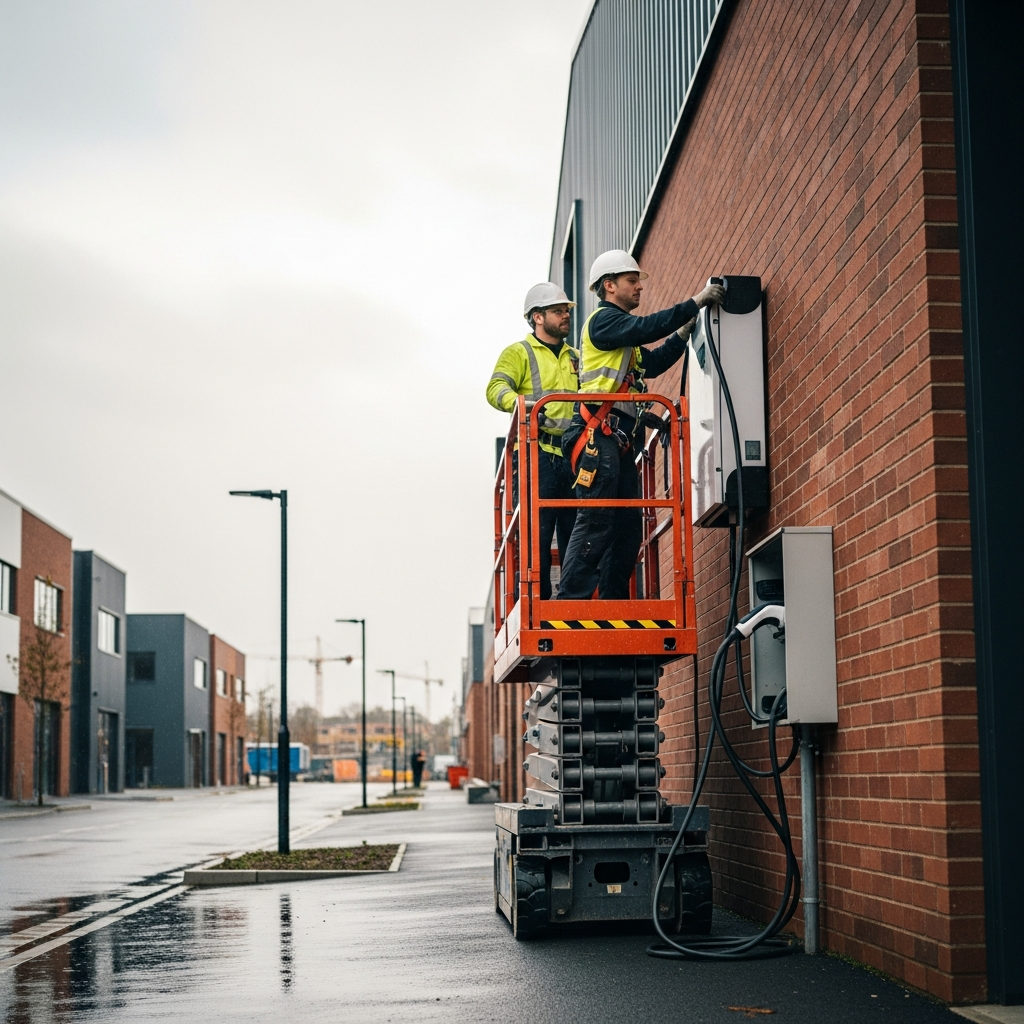
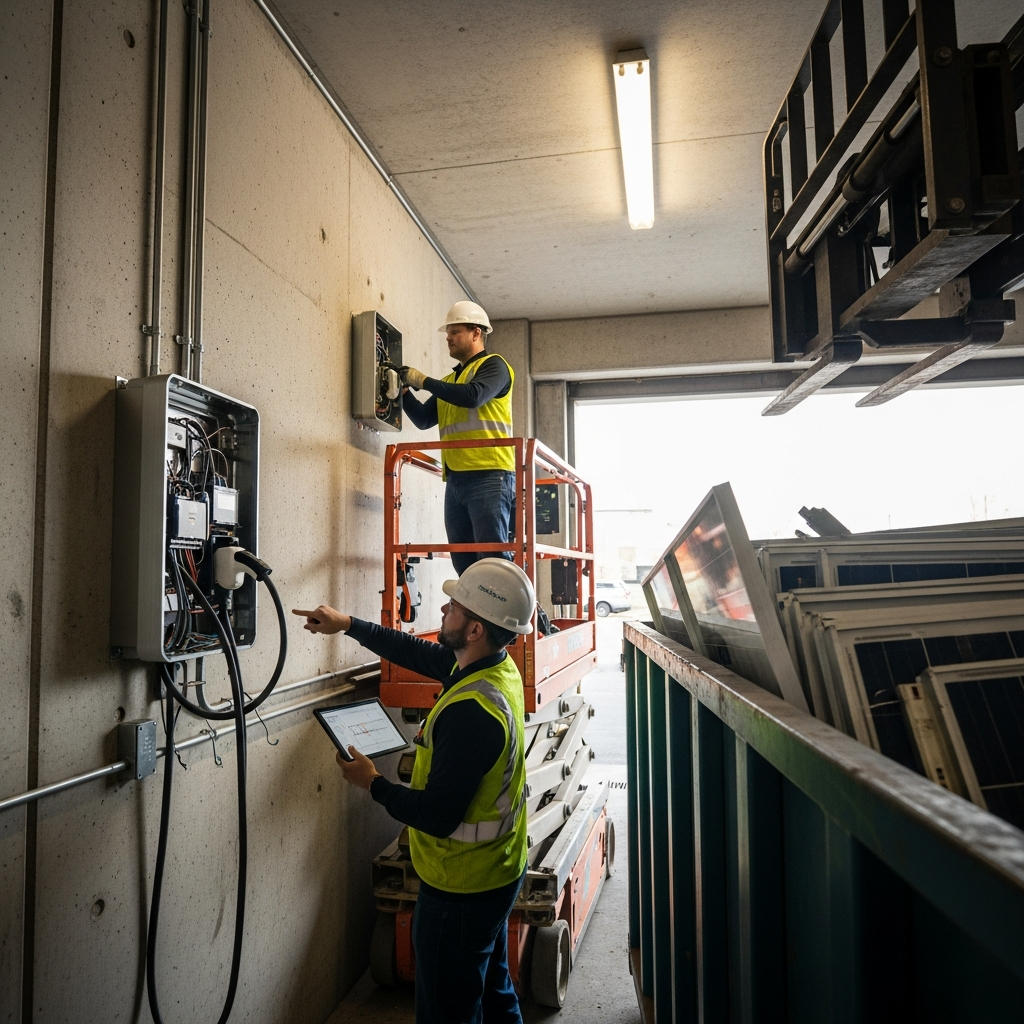
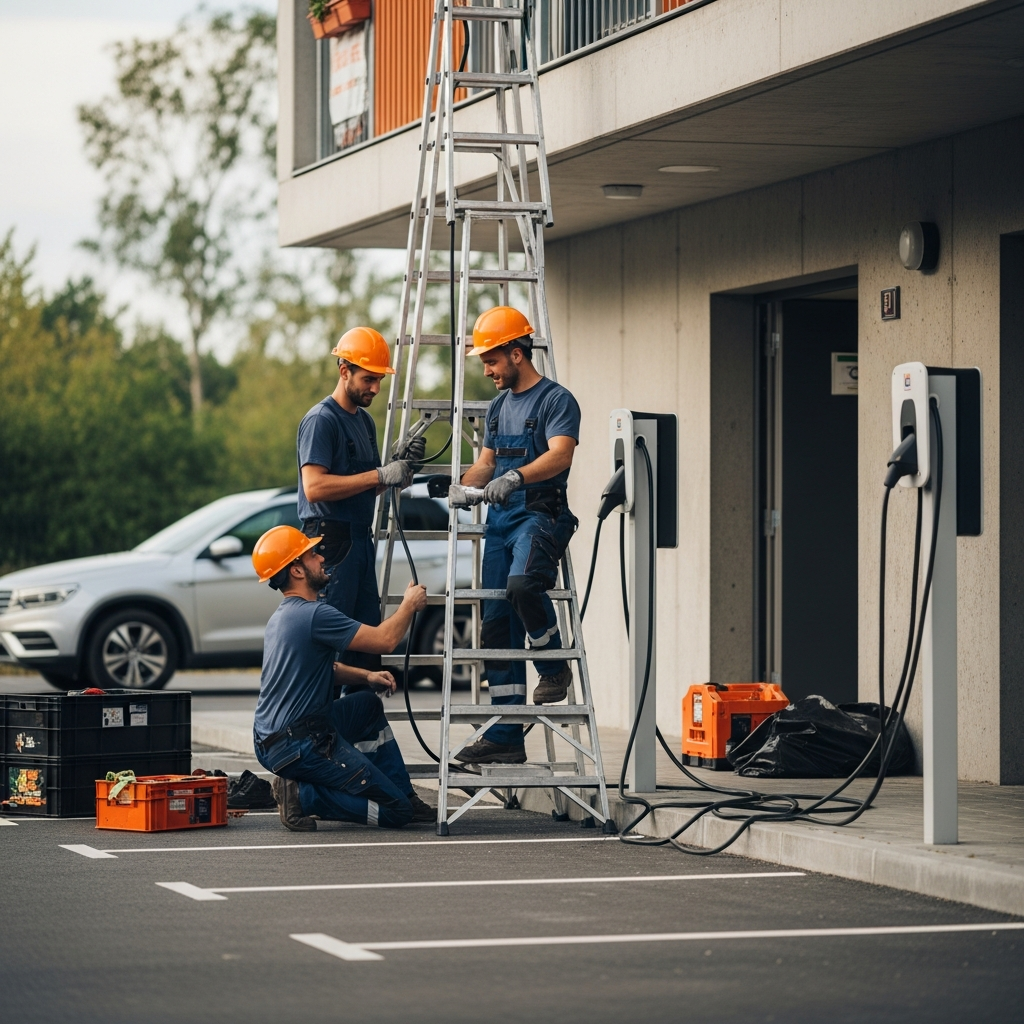
Honestly, I’d rather a property owner call me annoyed about cost than call me after an insurance adjuster shows up. A proper commercial EV charger installation isn’t just bolting a station to a bollard. It’s load calculations, dedicated circuits, conduit runs across the lot and matching the charger type to how long cars actually sit there. Level 2 for staff who park all day. DC fast for fleets that turn over.
If your team is already charging out there, the wiring is already telling you something. Get ahead of it before a breaker or worse makes the decision for you.
steelcityelectricfl.com/EV charger installation